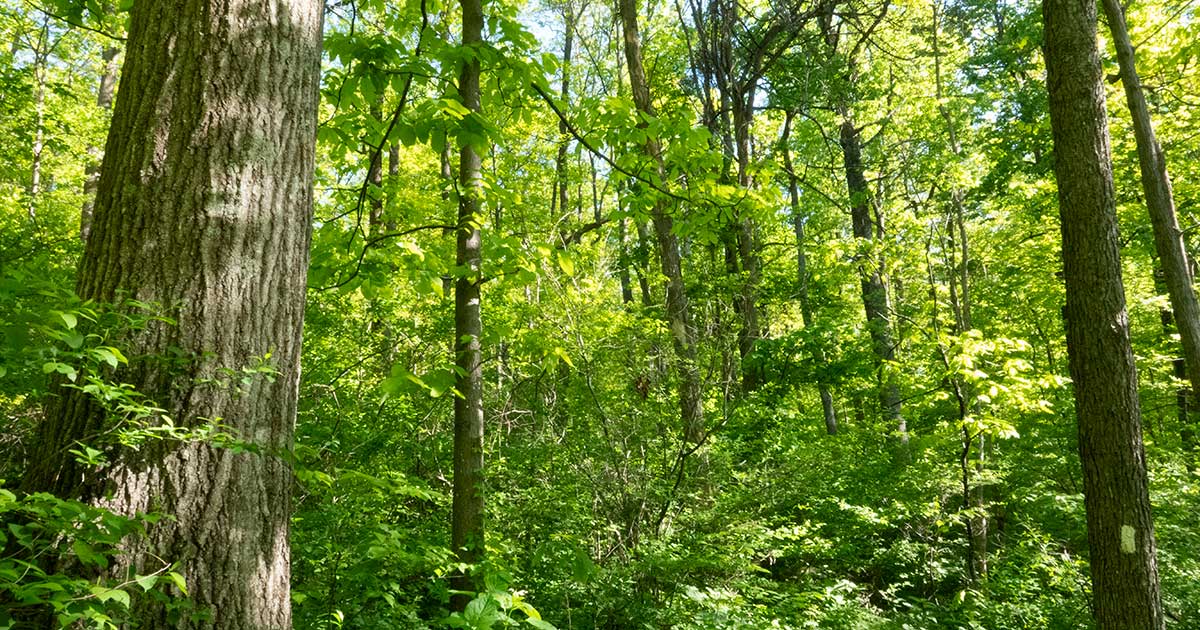
Evergreen (coniferous), deciduous and mixed forests collectively covered over half of the state in 2020, accounting for 14.2 million acres (5.7 million hectares) (USGS 2024). Oak-hickory forests are dominant in the Mountains and Valleys and portions of the northern Piedmont (Woodward and Hoffman 1991). Mixed oak-pine in the Piedmont and northern Coastal Plain transitions to southeastern evergreen forests in the southern Coastal Plain (Braun 1950). The latter consists of managed and naturally occurring loblolly stands (VDWR 2025).
Three hundred years of timber extraction and conversion of forests to agriculture following European settlement gave way to a phase of forest regrowth beginning in the 1930s via establishment of national and state forests and national parks in Virginia (VDCR 2021). Today, much of the mature forest in the state is secondary growth, although there are isolated old growth boreal stands that have likely never been touched.
The Commonwealth’s forests have been impacted since the early 20th century by a number of introduced insect and fungal pathogens that have resulted in the loss or significant reduction of American Chestnut (Castanea dentata), elm (Ophiostoma spp.), Eastern hemlock (Tsuga canadensis), flowering dogwood (Benthamidia florida) and, more recently, ash (Fraxinus spp.), as well as to extensive oak (Quercus spp.) mortality (VDCR 2021). Virginia’s forests today are subject to pressure from invasive plant species, fragmentation and degradation and outright habitat loss.
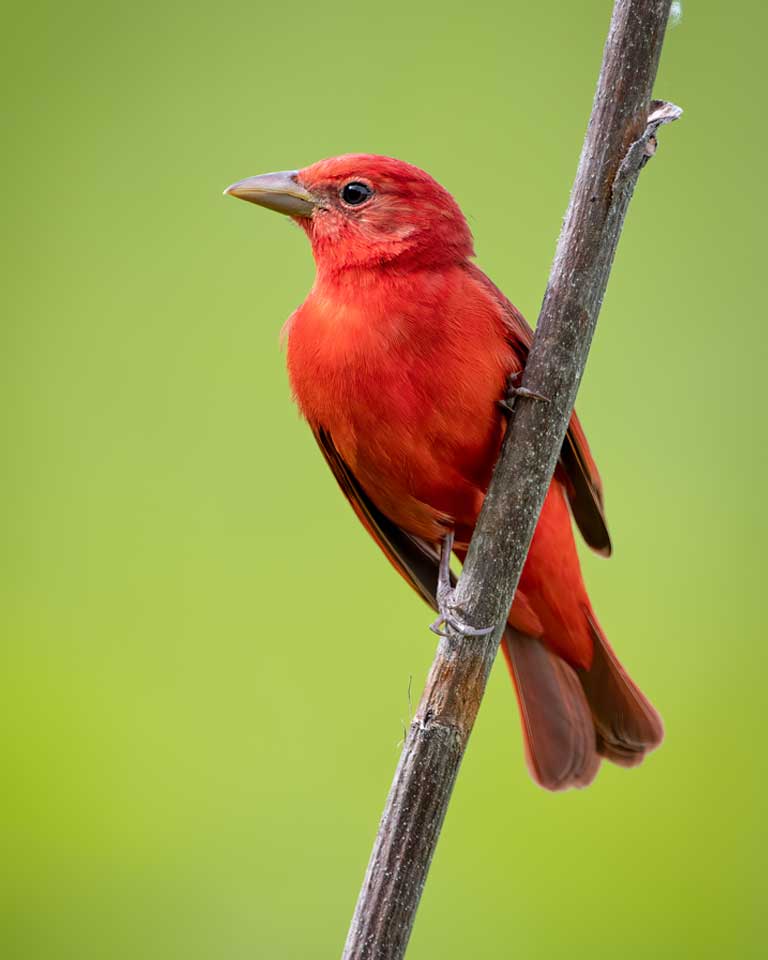
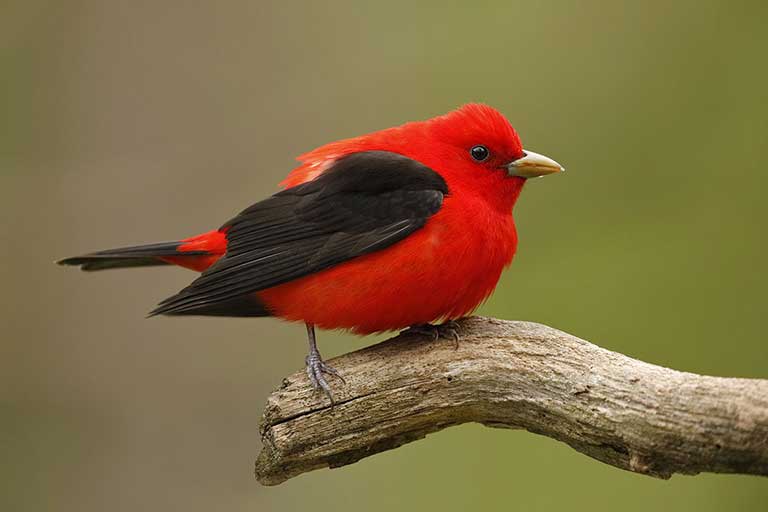
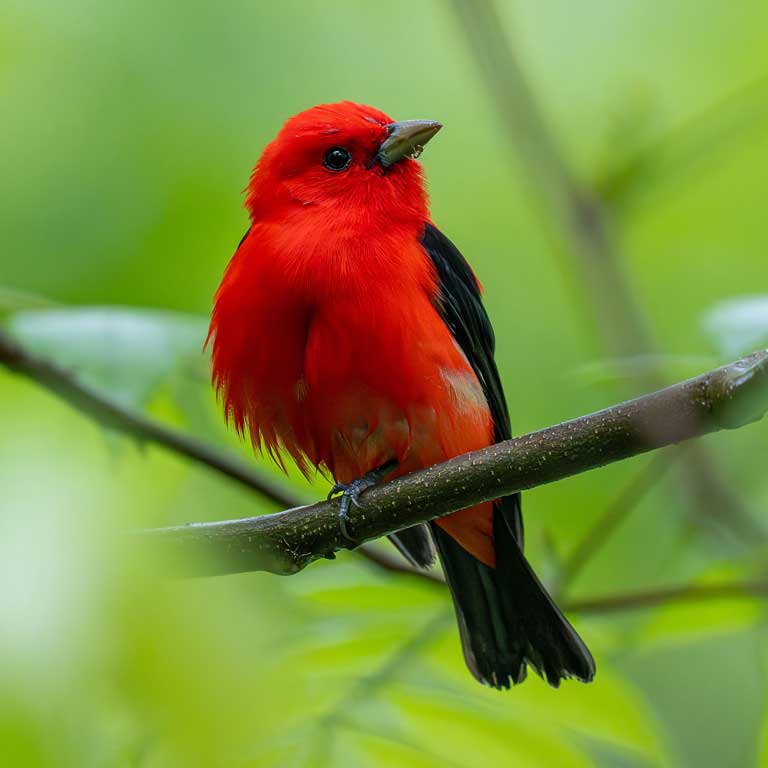
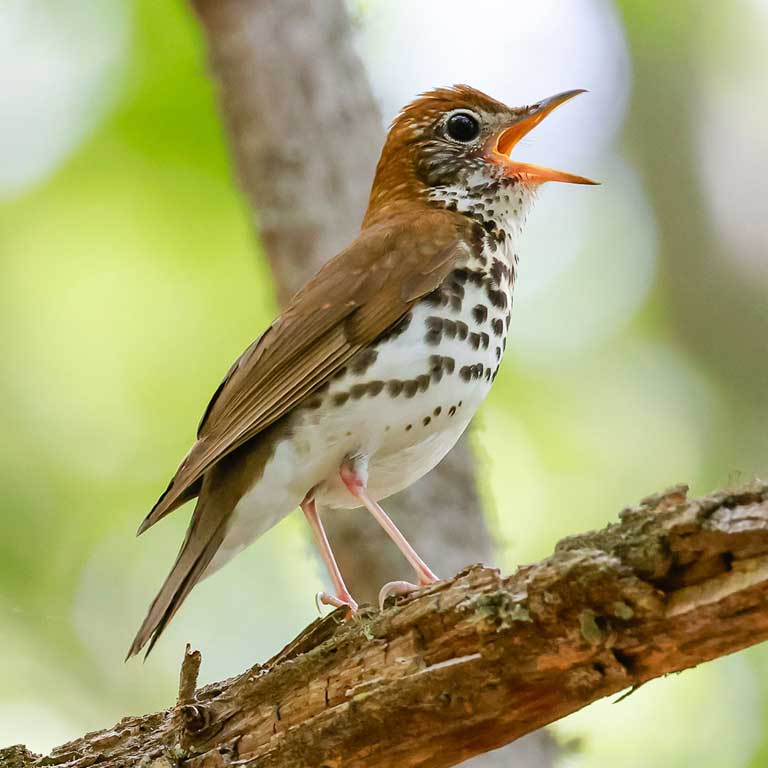
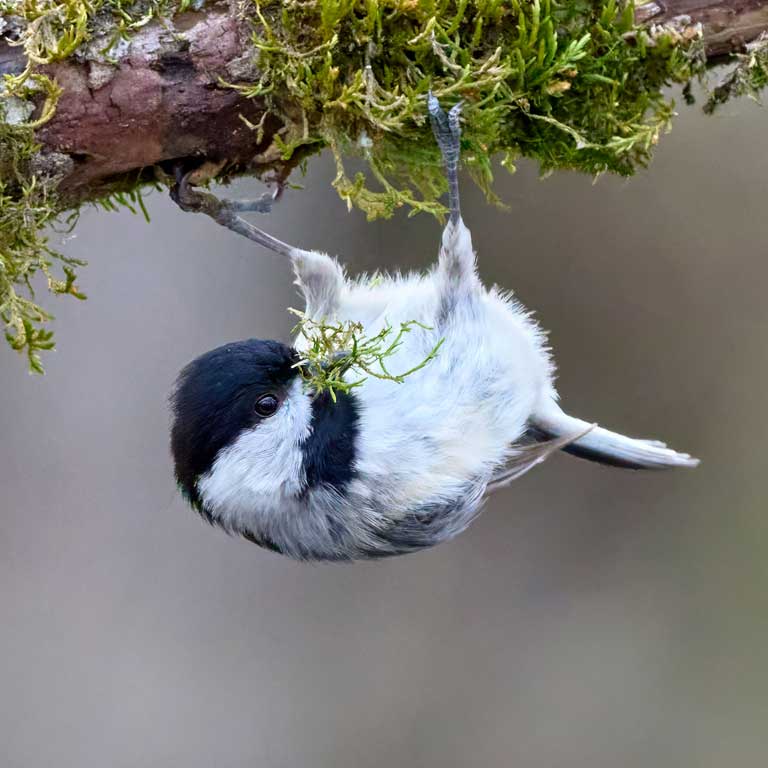
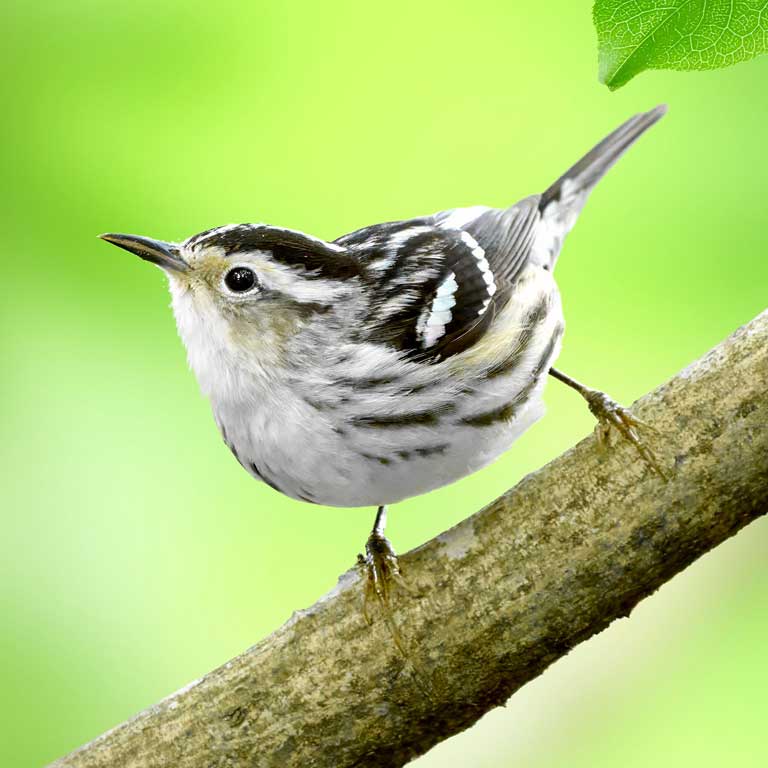
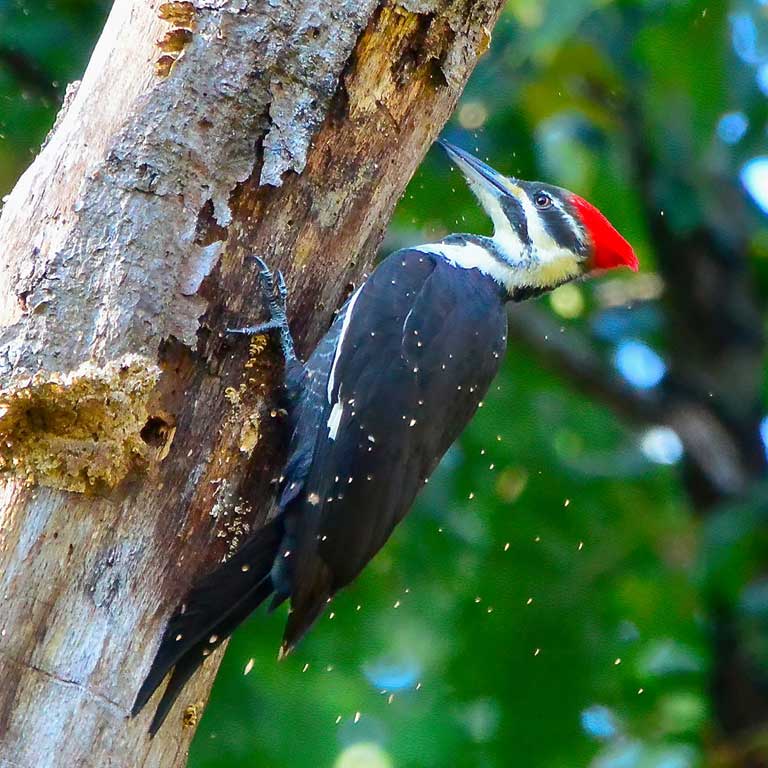
Some representative bird species of forest habitats include Scarlet Tanager (Piranga olivacea), Wood Thrush (Hylocichla mustelina), Carolina Chickadee (Poecile carolinensis), Black-and-white Warbler (Mniotilta varia), and Pileated Woodpecker (Dryocopus pileatus).
Forest types not identified by the NLCD but noted in individual Species Accounts include pine savanna, riparian forests, spruce-fir forests, and Northern hardwood forests. See below for more information on each.
Pine Savanna
Pine savannas are characterized by widely spaced, mature pine trees with an open understory and a diverse ground cover of grasses and forbs (VDWR 2025). They require frequent disturbance in the form of fire to prevent hardwood encroachment in the understory. Although pine savannas dominated by longleaf pine (Pinus palustris) were once found across the southeastern U.S., they disappeared from much of their range by the 1900s due to land clearing for lumber and agriculture and subsequent fire suppression (USFWS 2003). Today, remnant patches consisting primarily of loblolly pine (Pinus taeda) are found in several protected areas of Virginia’s southern Coastal Plain (VDWR 2025). Extensive restoration efforts are being implemented on these properties through prescribed fire and longleaf pine plantings. The Nature Conservancy’s Piney Grove Preserve and the Virginia Department of Wildlife Resources’ Big Woods Wildlife Management Area, both in Sussex County, are exemplary of pine savanna habitat.
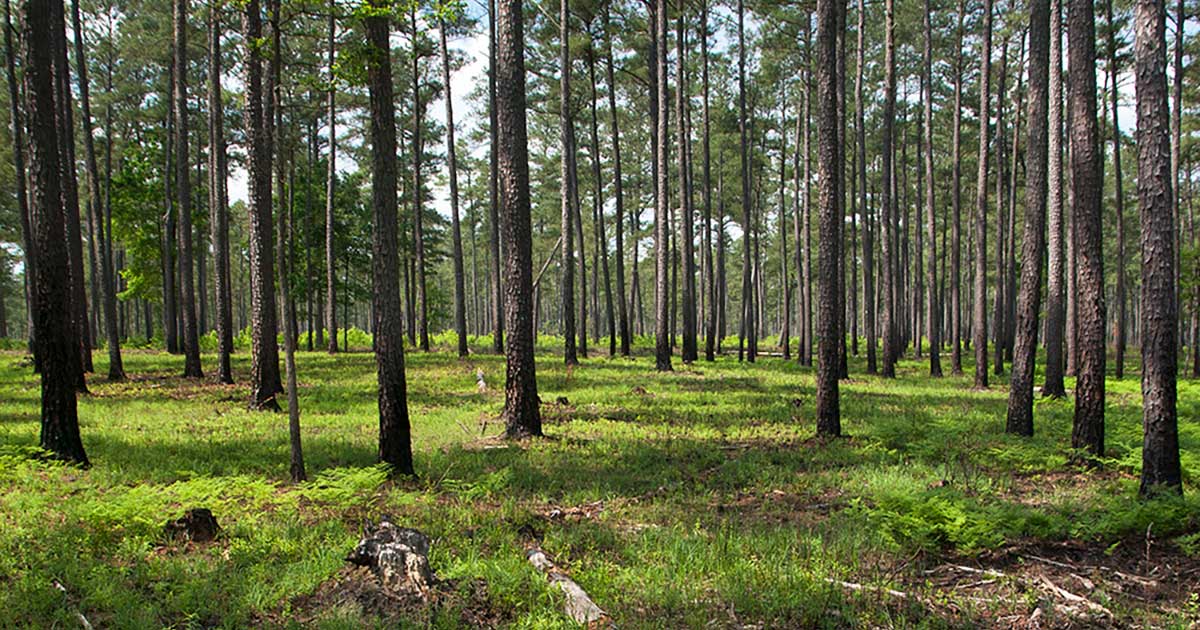
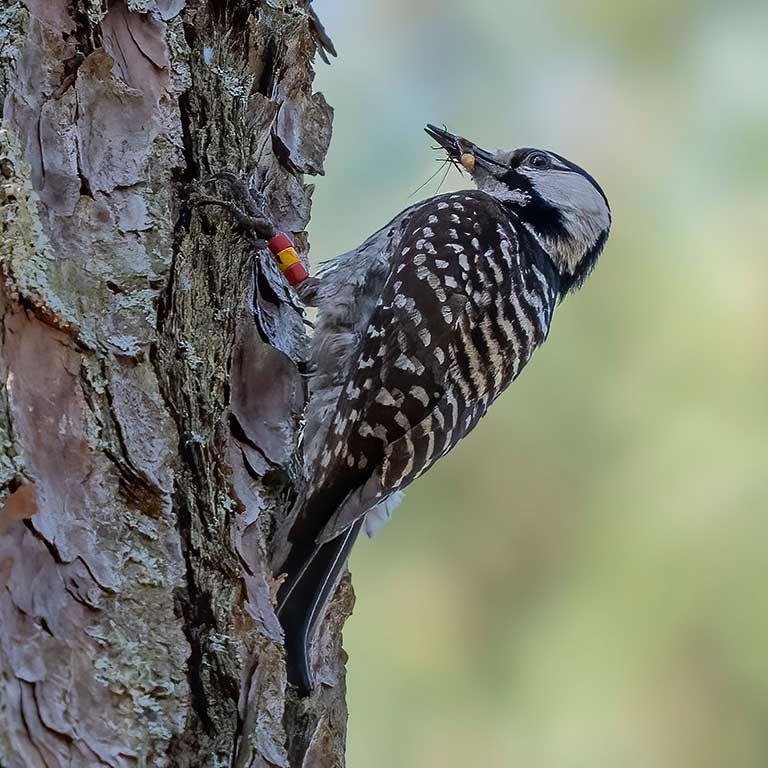
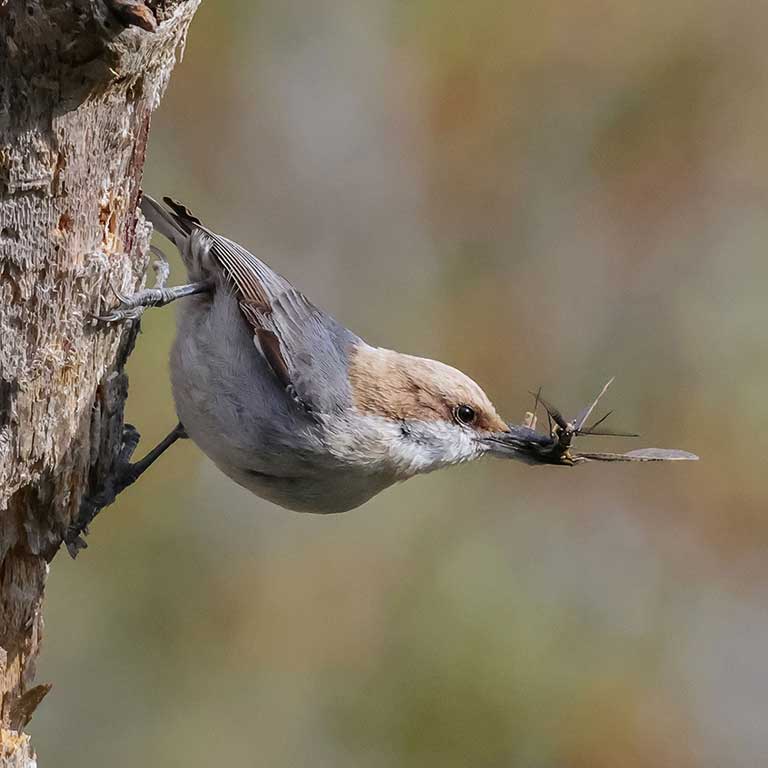
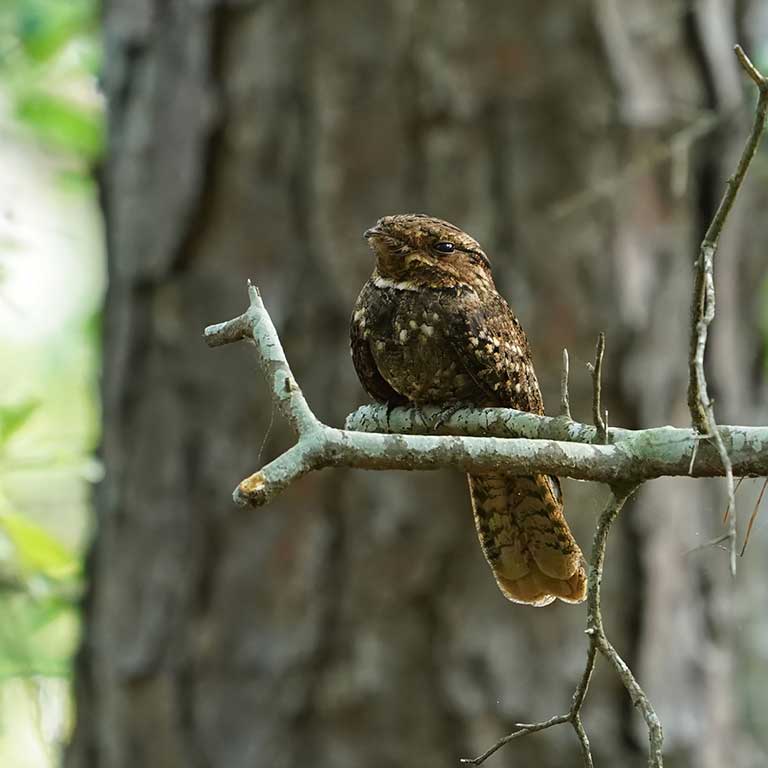
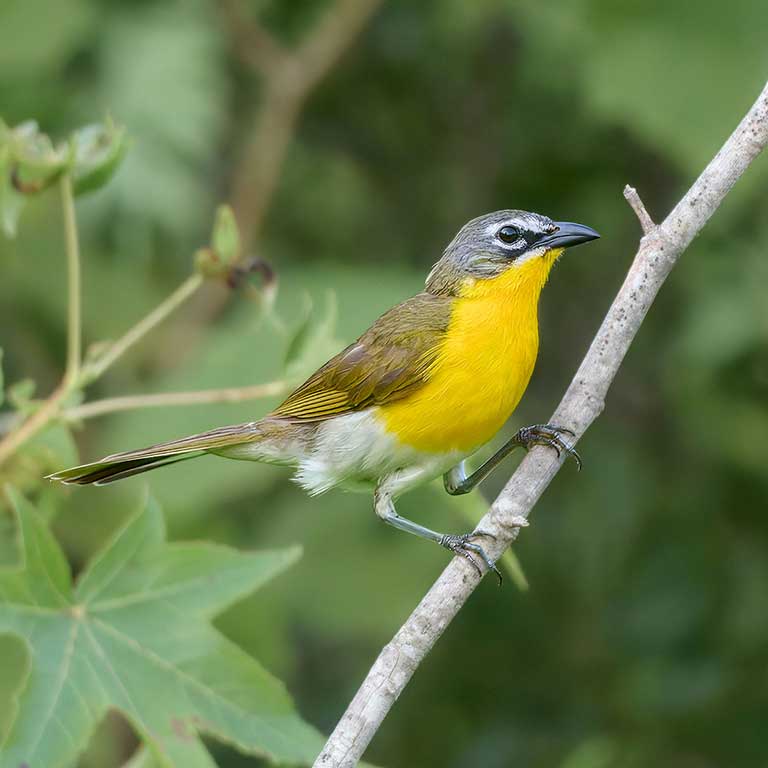
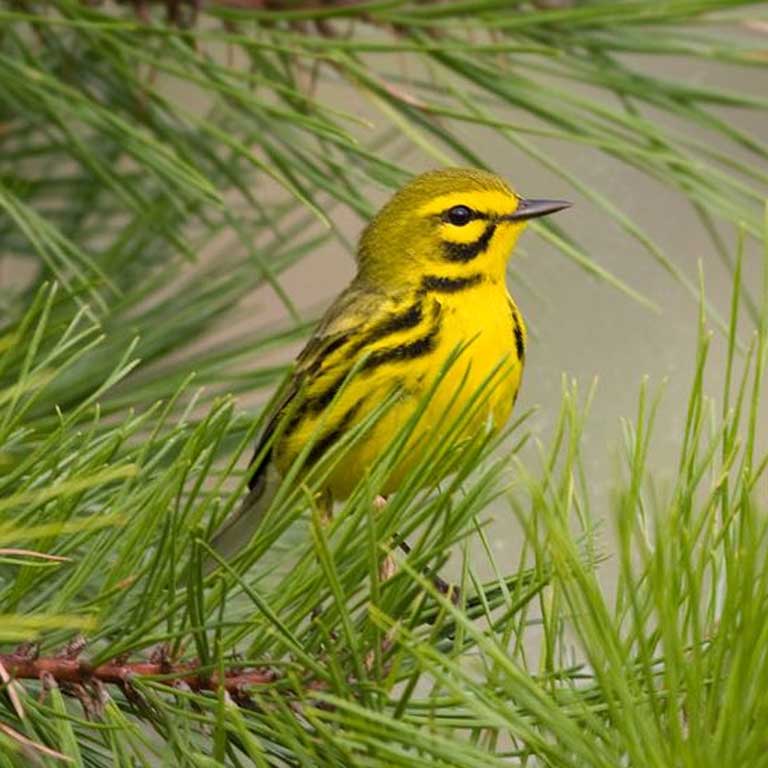
The Federally Threatened Red-cockaded Woodpecker (Dryobates borealis) is dependent on pine savannas year-round. Among other associated species are Brown-headed Nuthatch (Sitta pusilla), Chuck-will’s-widow (Antrostomus carolinensis), and shrubland species including Yellow-breasted Chat (Icteria virens) and Prairie Warbler (Setophaga discolor).
Riparian Forests
Riparian forests are associated with rivers, streams, lakes and other bodies of water. They are prone to seasonal or temporary flooding due to precipitation, snowmelt, storm surge, opening of dam gates, or dam breeches and failures (VDWR 2025). These forest types are found along cold water streams and rivers in the Mountains and Valleys; tidally influenced warm water streams and rivers in the Coastal Plain; slow-moving, acidic blackwater streams in the southeast Coastal Plain; and nontidal warm water streams and rivers across all regions of the state (VDGIF 2015). Riparian forests include bottomland forests, which are treated separately under ‘Woody Wetlands’.
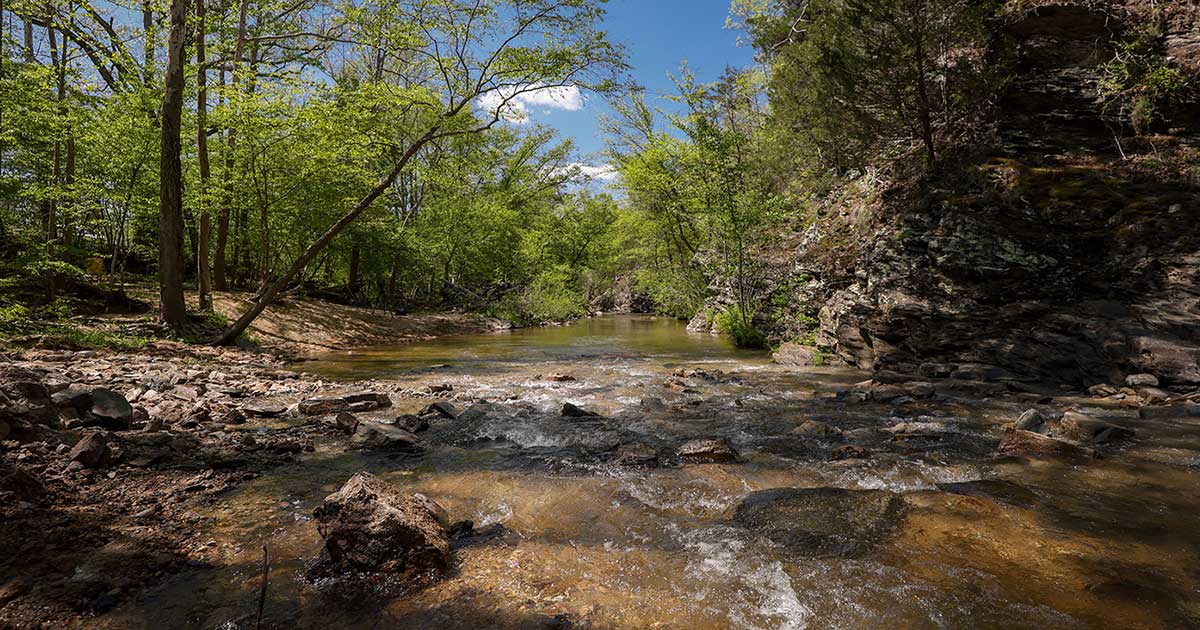
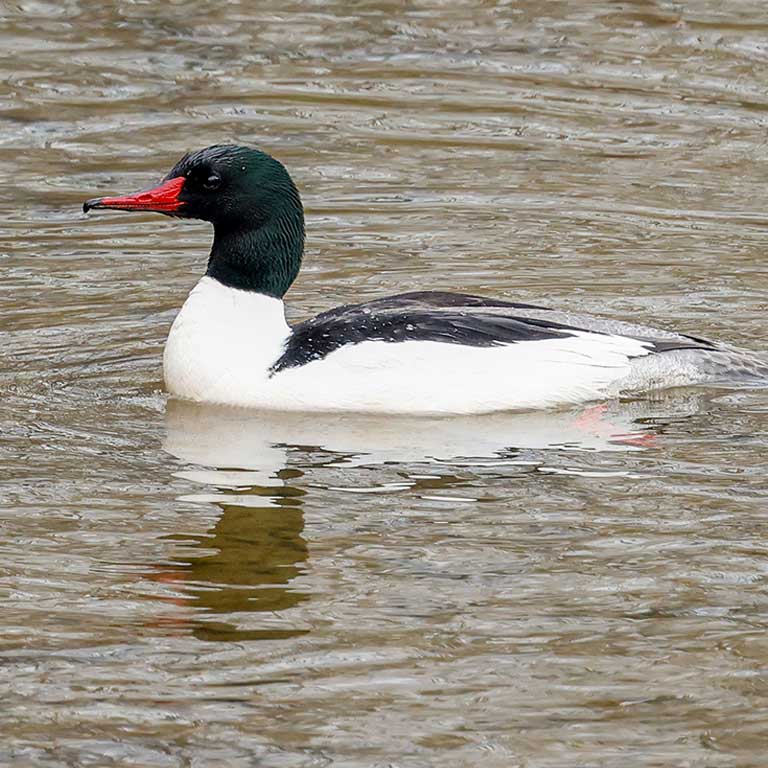
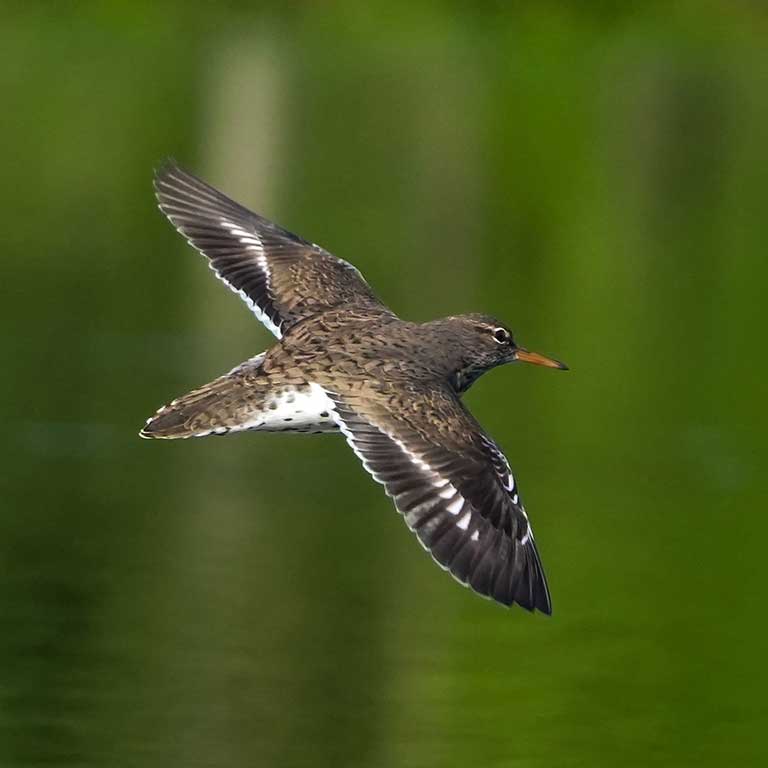
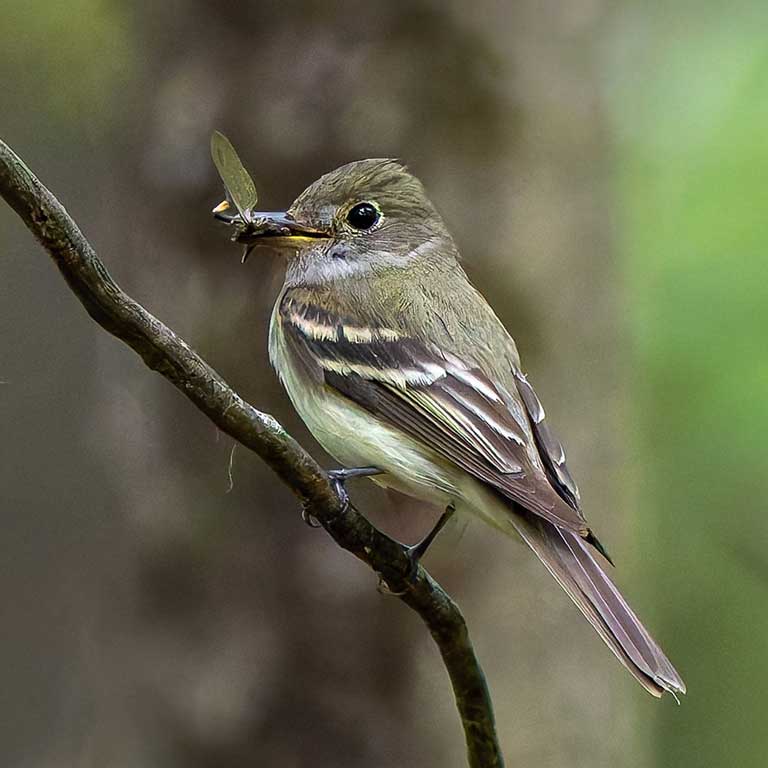
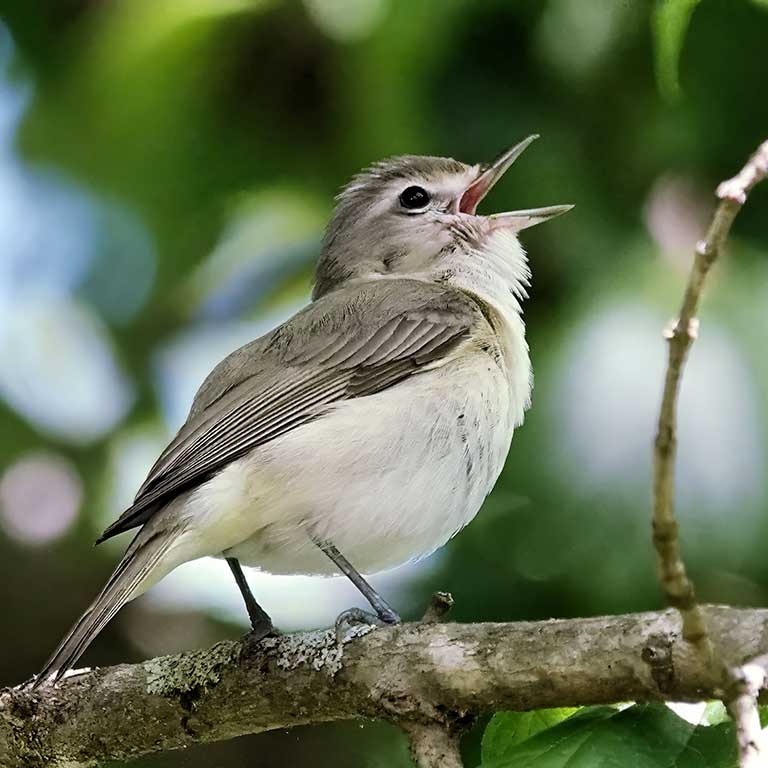
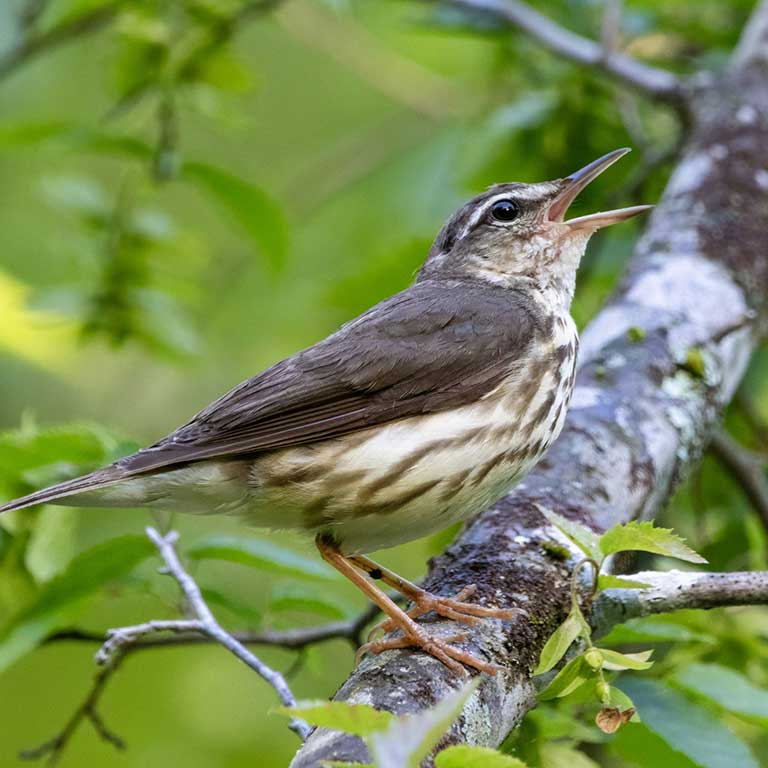
Several breeding bird species are associated with riparian forests. Among them are Common Merganser (Mergus merganser), Spotted Sandpiper (Actitis macularius), Acadian Flycatcher (Empidonax virescens), Eastern Warbling-Vireo (Vireo gilvus), and Louisiana Waterthrush (Parkesia motacilla).
Spruce-Fir Forests
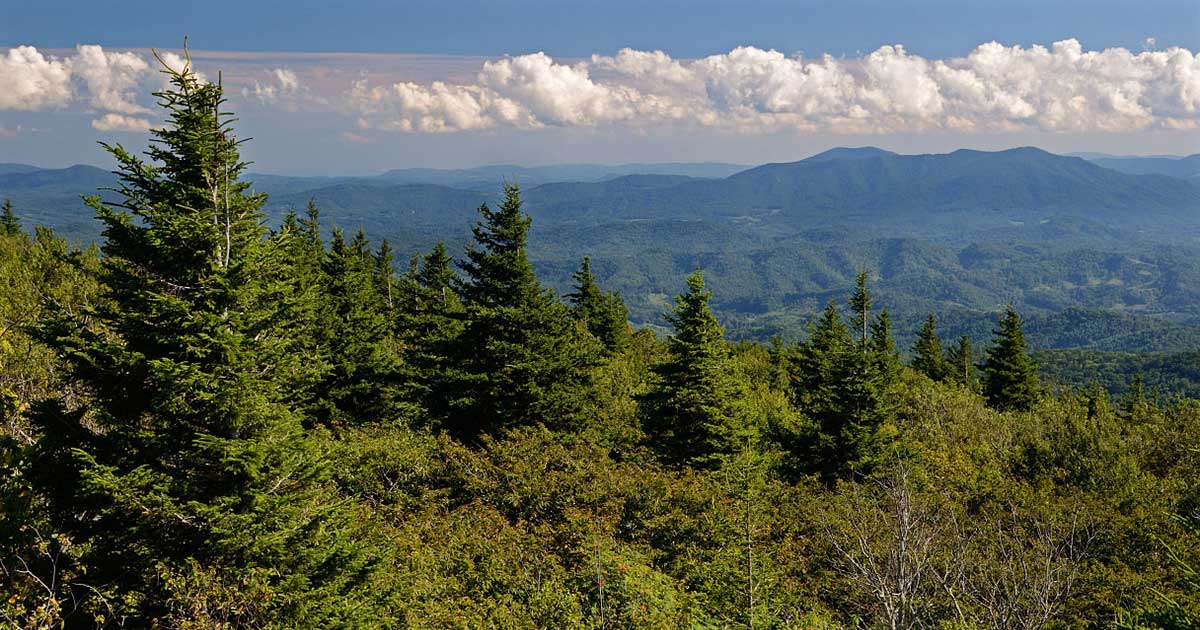
Spruce-fir forests are high-elevation forests in the Mountains and Valley region. Along with Northern Hardwoods, they make up over 50% of forest cover above 3,500 ft (1,067 m). Red spruce (Picea rubens) forests are found in the southern Blue Ridge Mountains in Grayson, Smyth, and Washington Counties, on Clinch Mountain in Russell and Tazewell Counties, and on Alleghany Mountain in Highland County (VDCR 2021). Fraser fir (Abies fraseri) may be found mixed with spruce at elevations higher than 5,400 ft (1,700 m; VDWR 2025), primarily on Whitetop Mountain and Mount Rogers (VDCR 2021). The latter site represents the species’ northernmost limit on the East Coast (Fleming et al. 2021).
Because of the narrow elevational range at which they occur, spruce and spruce-fir forests are found in relative isolation from one another and occupy a small footprint on the landscape. As a result, these “high island” forests are vulnerable to a number of threats. These include the balsam woolly adelgid (Adelges piceae), which impacts firs, air pollution, and climate change. However, regional initiatives to expand the footprint of spruce forests are ongoing in the Commonwealth.
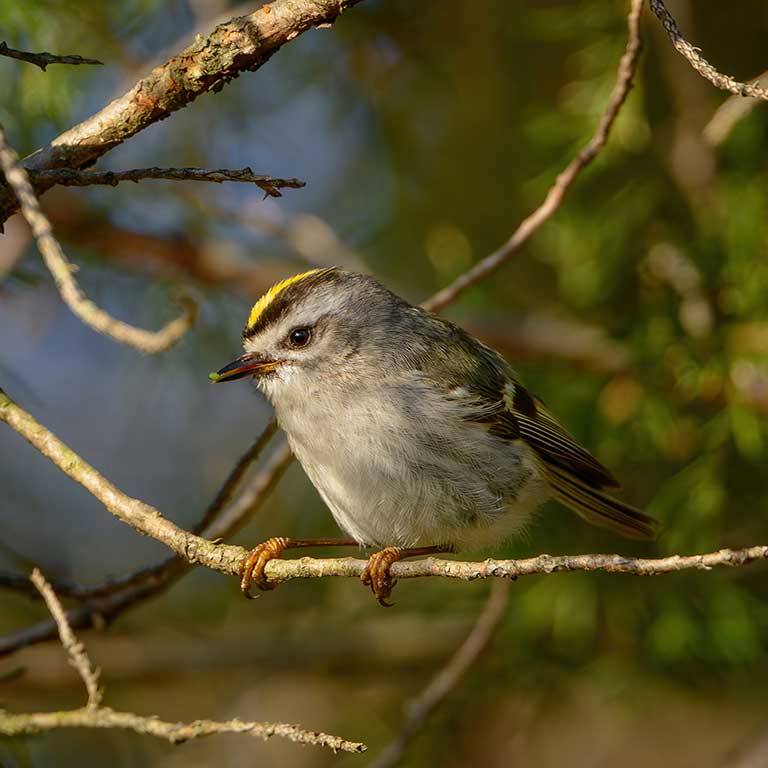
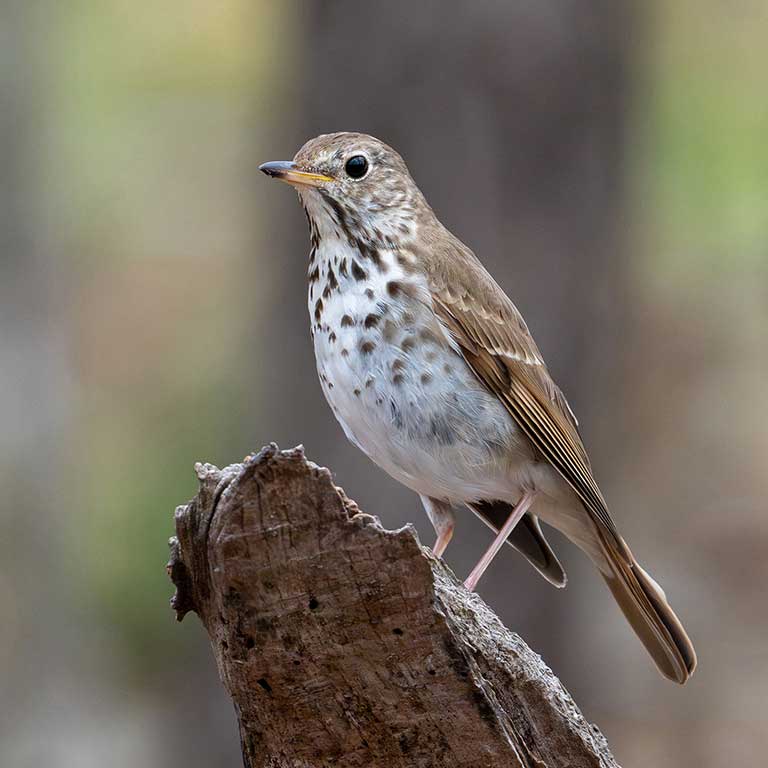
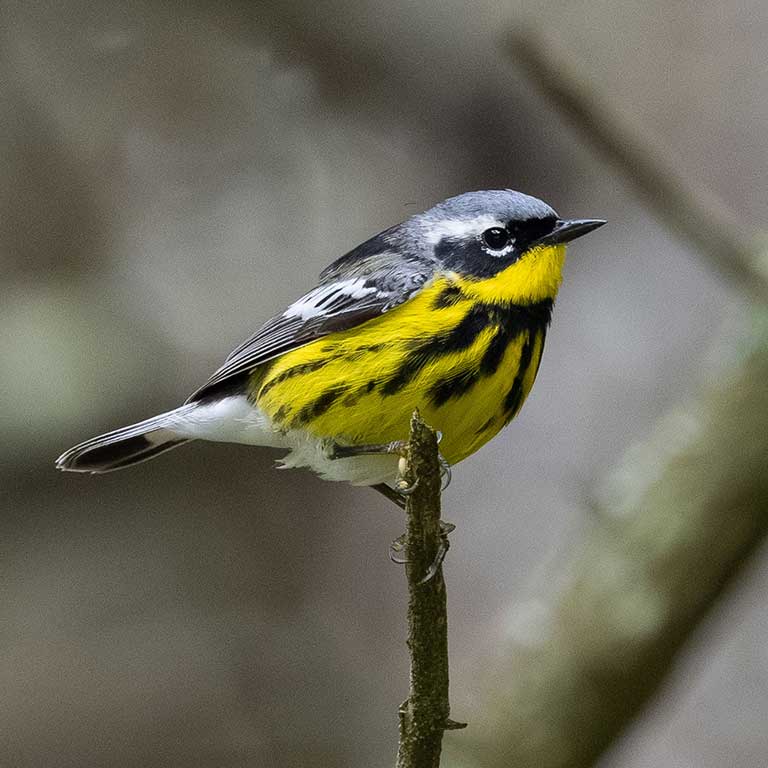
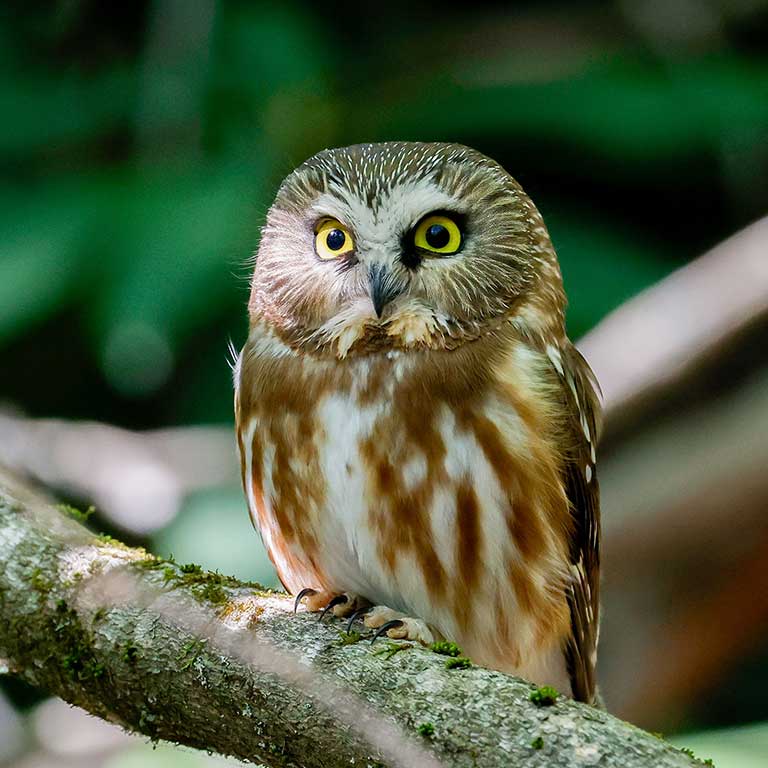
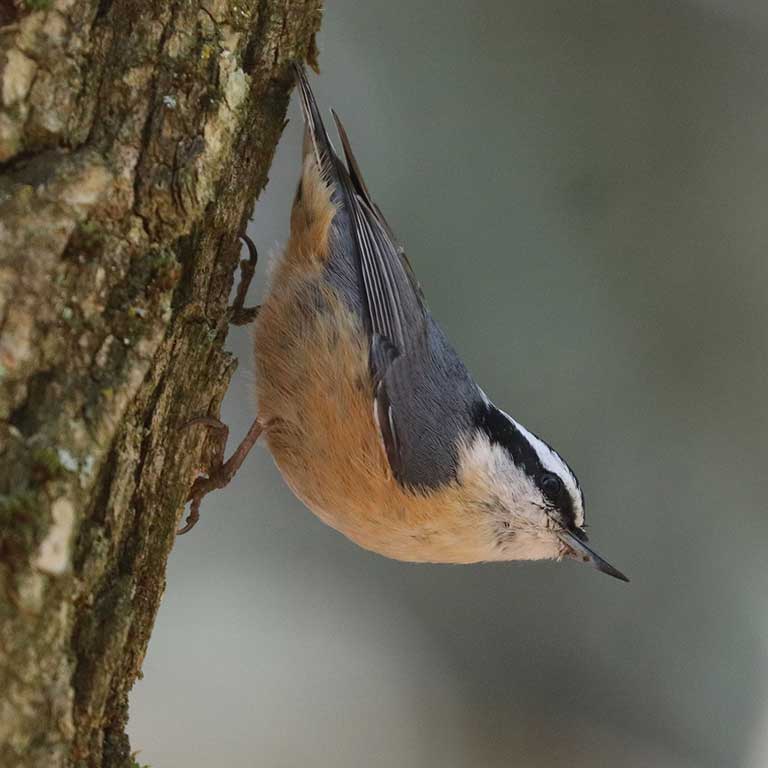
Numerous high-elevation breeding birds are associated with these forests. They include the Golden-crowned Kinglet (Regulus satrapa), Hermit Thrush (Catharus guttatus), Magnolia Warbler (Setophaga magnolia), Northern Saw-whet Owl (Aegolius acadicus), and Red-breasted Nuthatch (Sitta canadensis).
Northern Hardwood Forests
Northern hardwood forests are high-elevation forests occurring above 3,000 ft (900 m) in the Mountains and Valleys region of Virginia. There they include both Southern and Central Appalachian subtypes. The former are beech-maple-birch-buckeye (Fagus-Acer-Betula-Aesculus spp.) forests extending into southwestern Virginia from North Carolina and Tennessee (Fleming et al. 2021). Central Appalachian Northern hardwood forests are most extensive on Allegheny Mountain in Highland County, with co-dominant overstory species of maple, cherry, birch and Northern red oak (Quercus rubra) (Fleming et al. 2021). Northern hardwood stands are characterized by lush understories, and patches of rhododendron and mountain laurel (Kalmia latifolia) are often associated with them (VDWR 2025).
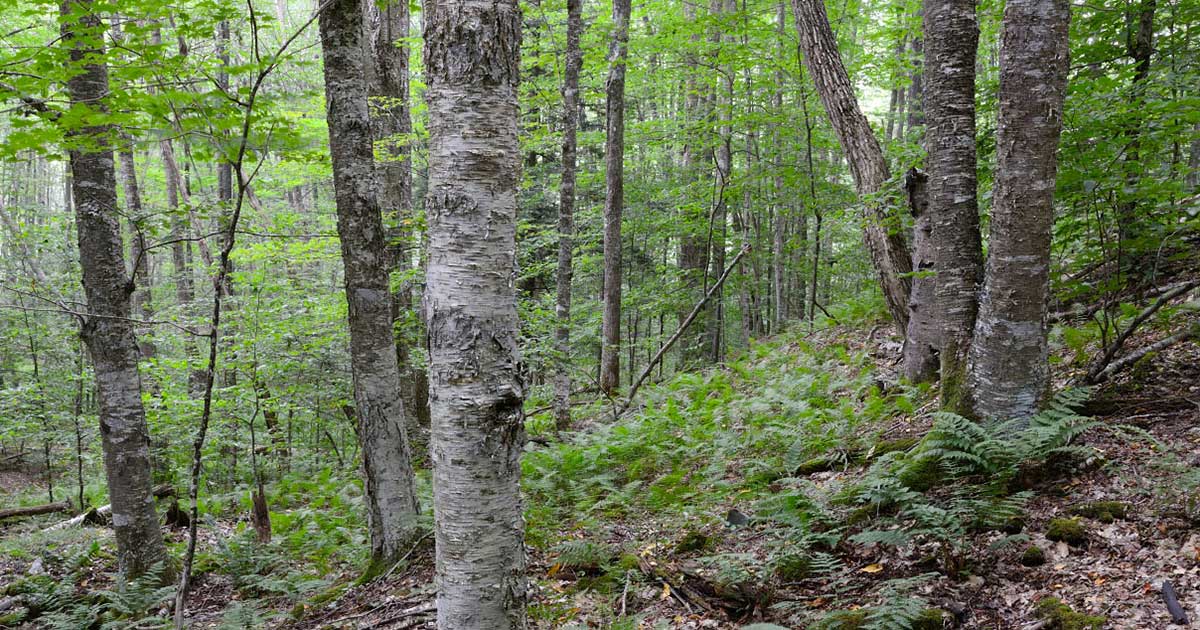
Several fern species can prevent tree regeneration in Northern hardwood stands, especially in conjunction with high densities of white-tailed deer (Odocoileus virginianus) (VDWR 2025). Invasive and native pests are additional stressors, as are potential shifts in climate (VDWR 2025). The majority of Northern hardwood forests in Virginia are found on public lands or are protected by conservation easements (VDWR 2025), such that development pressure is less of a concern.
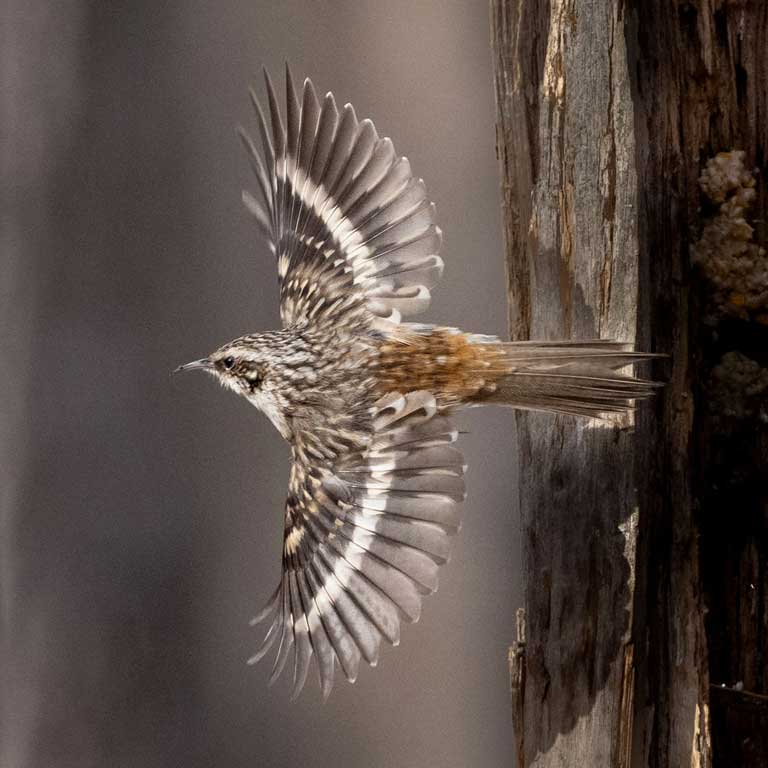
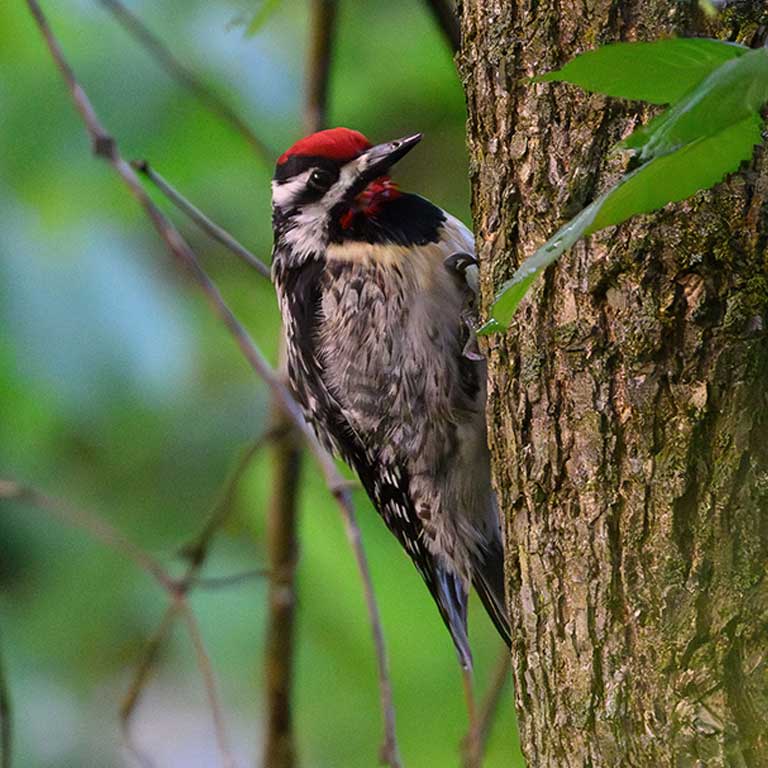
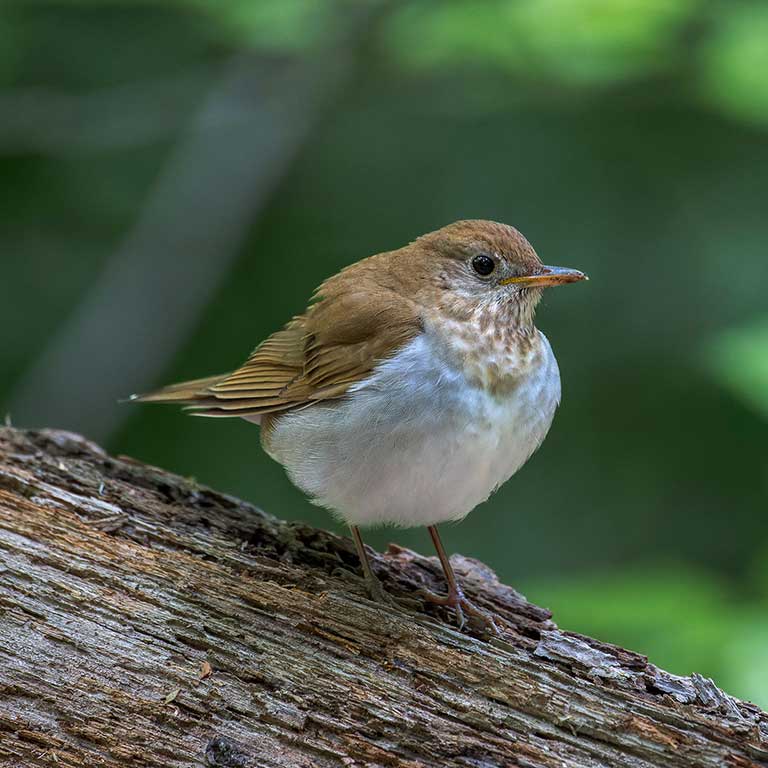
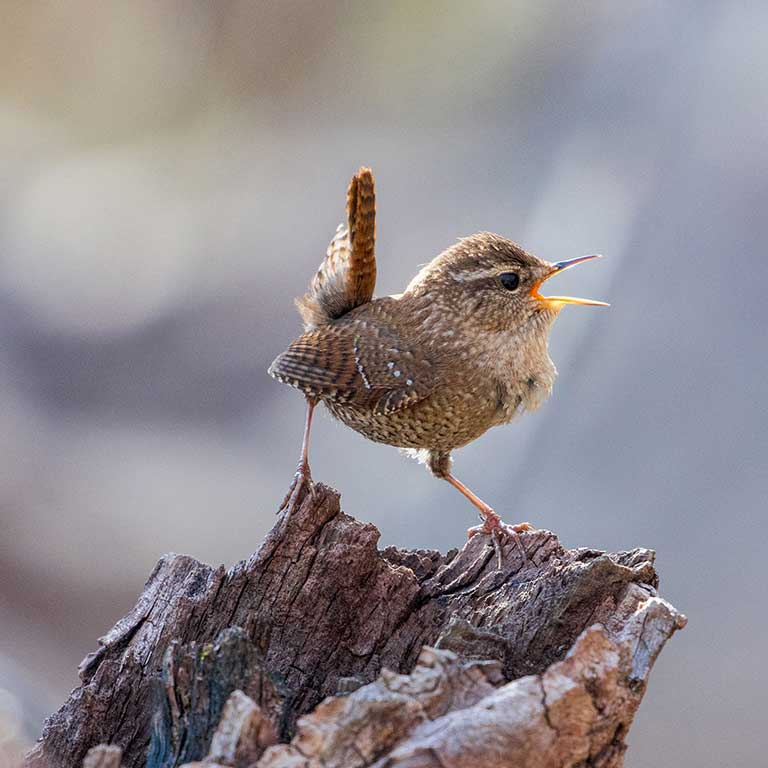
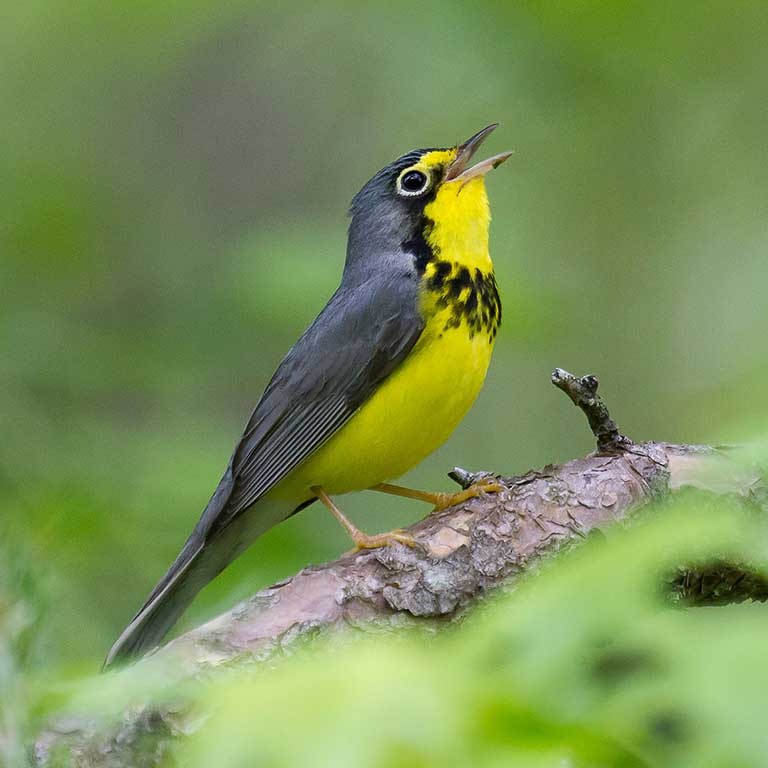
Among the bird species that breed in Northern hardwoods are Brown Creeper (Certhia americana), Yellow-bellied Sapsucker (Sphyrapicus varius), Veery (Catharus fuscescens), Winter Wren (Troglodytes hiemalis), and Canada Warbler (Cardellina canadensis).
Literature Cited
Braun, E. L. (1950). Deciduous forests of eastern North America. Macmillan Publishing Co., New York. 596 pp.
Fleming, G. P., K. D. Patterson, and K. Taverna (2021). The Natural Communities of Virginia: a Classification of Ecological Community Groups and Community Types. Third approximation. Version 3.3. Virginia Department of Conservation and Recreation, Division of Natural Heritage, Richmond, VA. www.dcr.virginia.gov/natural-heritage/natural-communities/
U.S. Geological Survey (USGS) (2024). Annual NLCD collection 1 science products (ver. 1.1, June 2025): U.S. Geological Survey data release. Reston, VA, USA. https://doi.org/10.5066/P94UXNTS.
U.S. Fish and Wildlife Service (USFWS) (2003). Recovery plan for the Red-cockaded Woodpecker (Picoides borealis): second revision. U.S. Fish and Wildlife Service, Atlanta, GA, USA. 296 pp.
Virginia Department of Conservation and Recreation, Division of Natural Heritage (2021). Overview of the Physiography and Vegetation of Virginia. Ver. 2.0, March 2021.
Virginia Department of Game and Inland Fisheries (VDGIF) (2015). Virginia wildlife action plan. Virginia Department of Wildlife Resources, Henrico, VA, USA. 92 pp.
Virginia Department of Wildlife Resources (VDWR) (2025). Virginia wildlife action plan. Virginia Department of Wildlife Resources, Henrico, VA, USA. 506 pp.
Woodward, S. L. and R. L. Hoffman (1991). The nature of Virginia. Pages 23-50 in: McDonald, J. N. and T. Skware, eds. Virginia’s endangered species: proceedings of a symposium, coord. by Karen Terwilliger. The MacDonald and Woodward Publishing Co., Blacksburg