How the Atlas Was Built
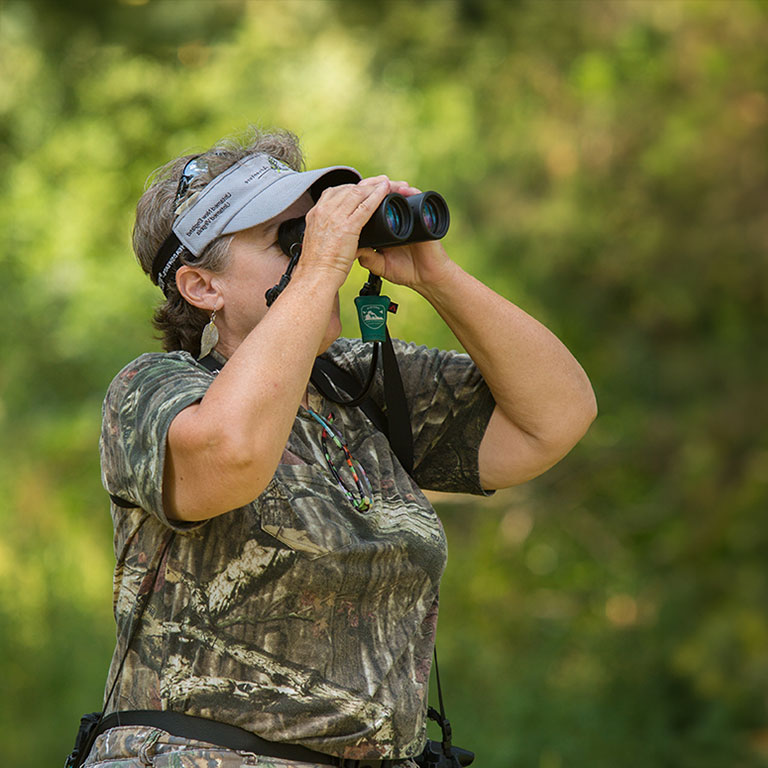
Explore how Virginia’s Second Breeding Bird Atlas collected, analyzed, and evaluated breeding bird data across the Commonwealth. From 2016 to 2020, more than 1,450 volunteers and 32 field technicians documented bird occurrences, breeding activity, and abundance through block surveys, eBird checklists, and standardized point counts. Researchers then used these and other data to model species distribution and abundance, and to identify changes since Virginia’s First Breeding Bird Atlas three decades earlier.


What We Learned
The Atlas documents where and when birds breed across the Commonwealth and in what numbers. Explore statewide findings, compare changes in species distributions since the First Atlas, and discover breeding timelines through a detailed phenology table. Refer to population estimates and abundance maps for new insights into where individual species are more and less numerous. This suite of tools can help scientists, conservationists, and land managers make informed decisions to ensure that these species will persist for future generations to enjoy.