Introduction
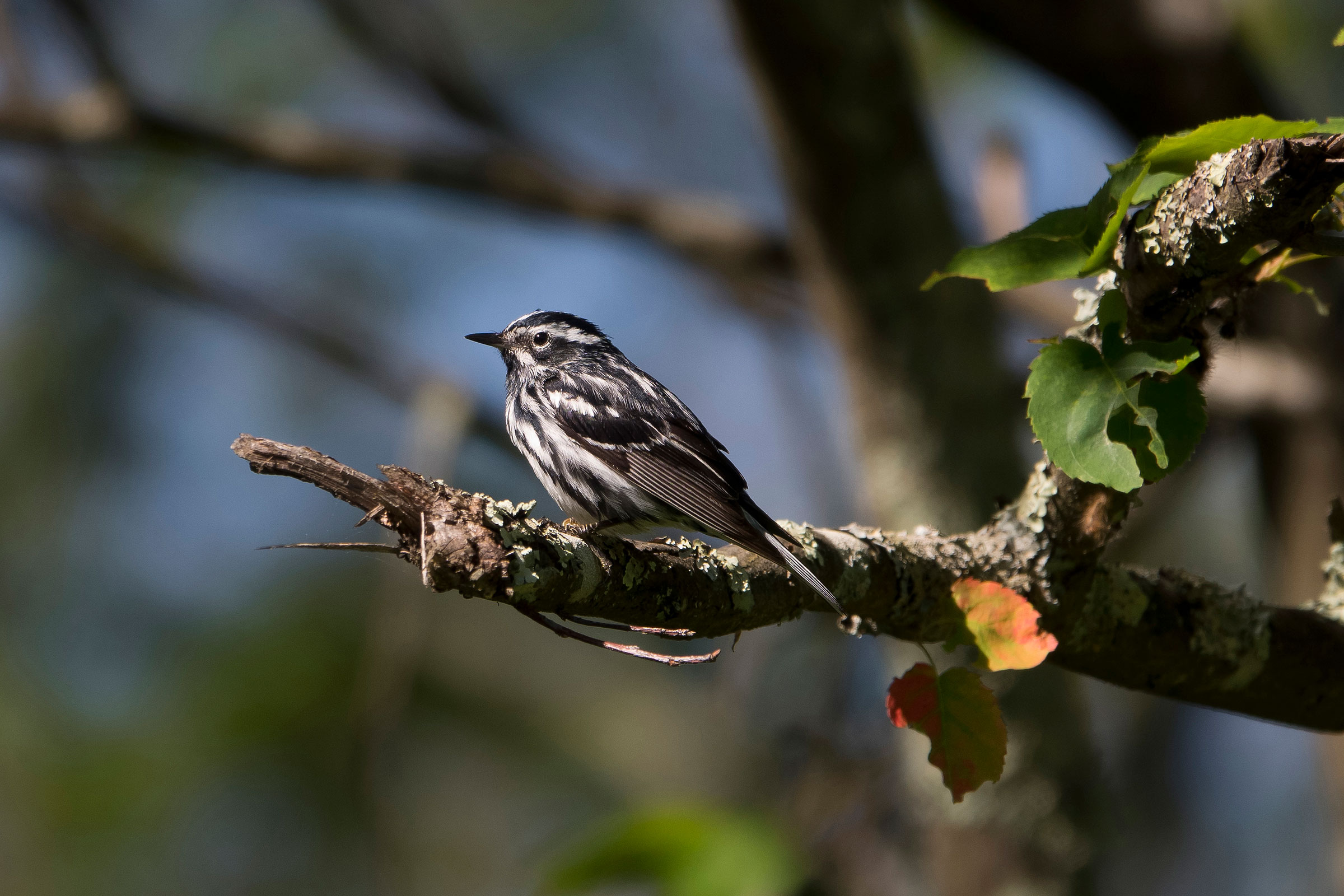
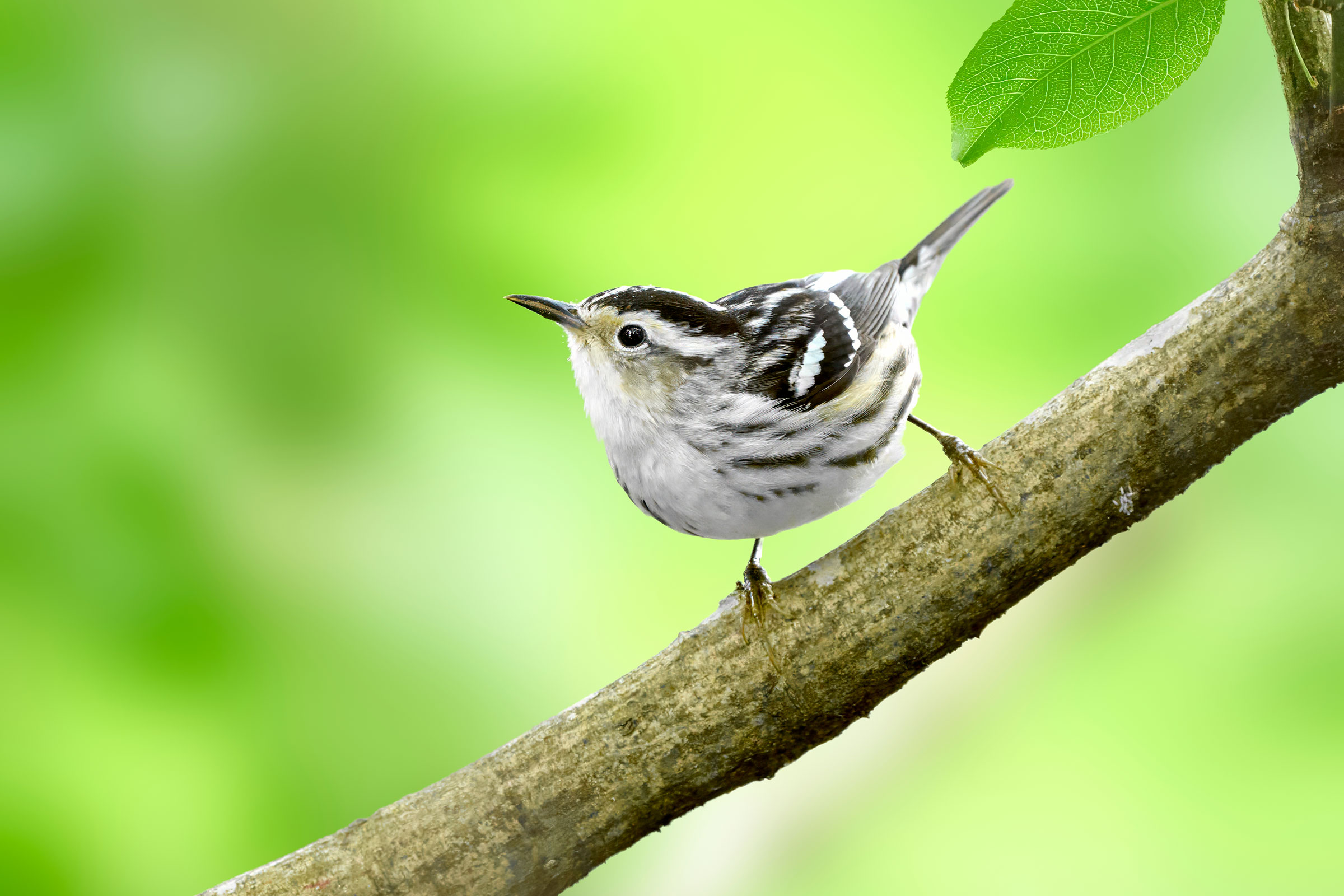
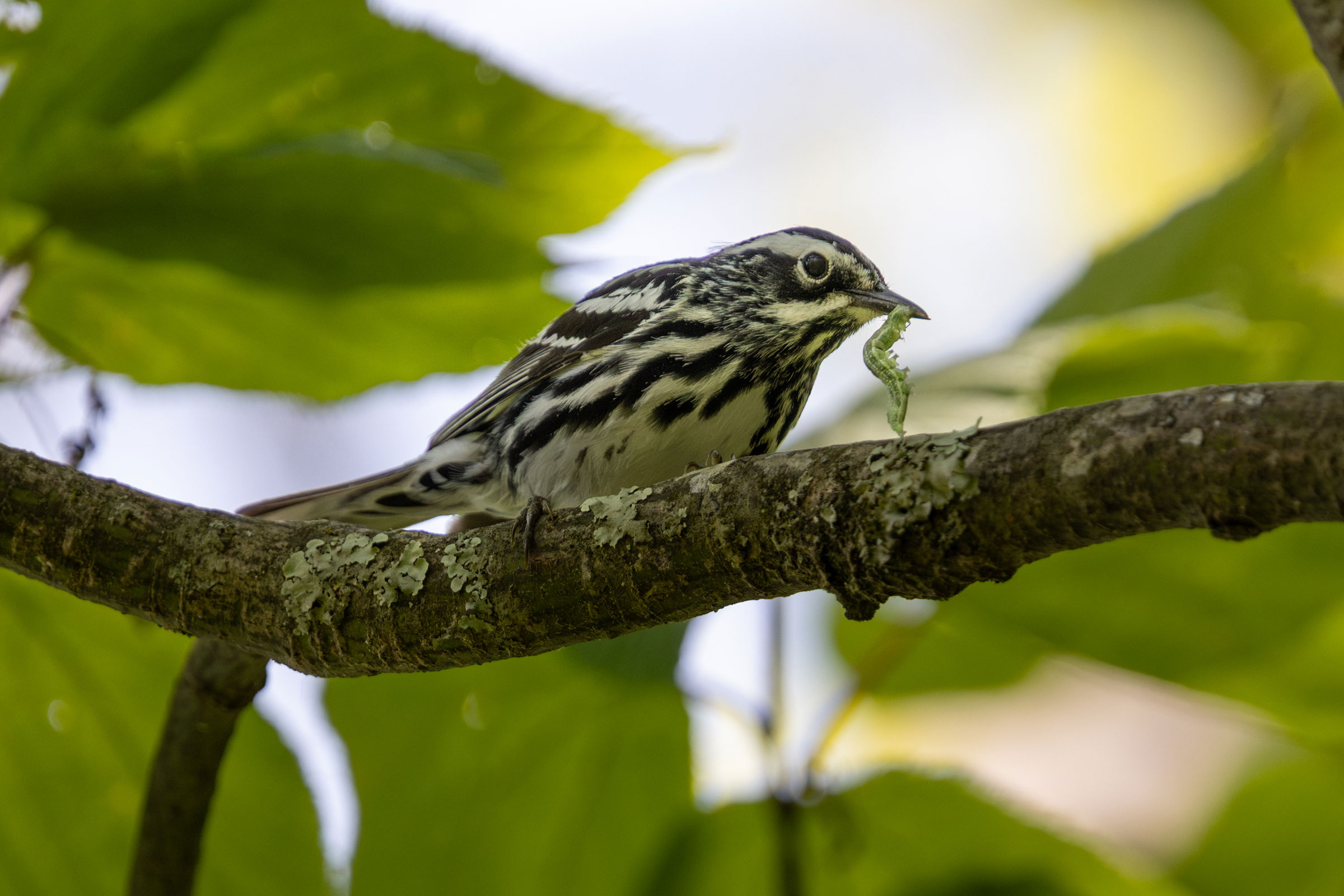
While not flashy like other warblers, the Black-and-white Warbler’s crisp black and white “suit” gives it a dignified look that also helps it to blend into sun-dappled forests. The dignified look only extends so far, however, as Black-and-white Warblers are often aggressive to other birds, such as American Redstarts (Setophaga ruticilla) and Black-capped Chickadees (Poecile atricapillus), that invade their territories. Of Virginia’s warblers, the Black-and-white-Warbler is one of the easiest to identify by song. Listen for a thin high-pitched weesy-weesy-weesy or a squeaky-squeaky-squeaky, as some people describe it (Kricher 2020).
Breeding Distribution
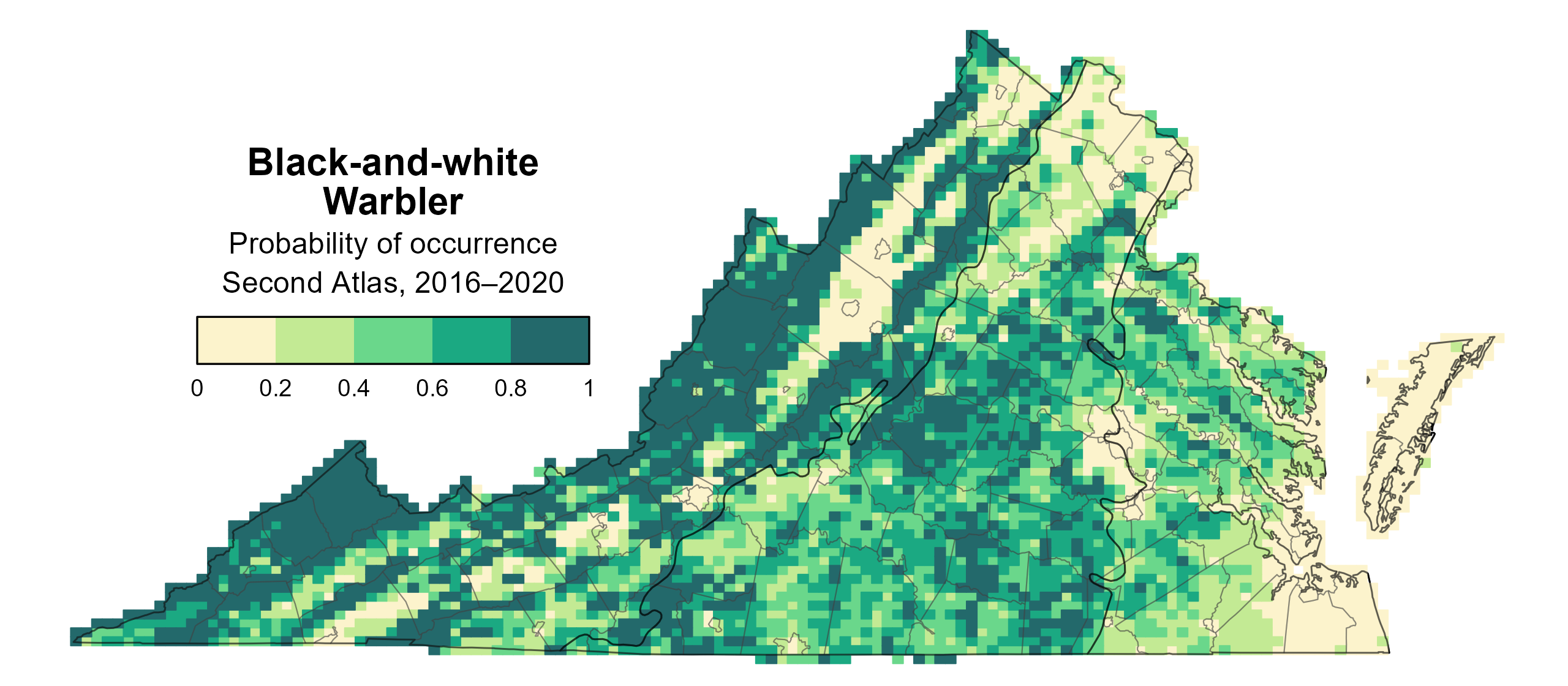
Black-and-white Warblers occur throughout the state, but they are most likely to occur in the heavily forested portions of the Mountains and Valleys region and the central Piedmont region. Their likelihood of occurring in the Coastal Plain region, northern areas of the Piedmont region, and agricultural valleys of the Mountains and Valleys region varies (Figure 1). The probability of finding a Black-and-white Warbler in a block increases as forest cover, forest patch size, and shrubland and grassland habitats increase. In contrast, with more agricultural and developed areas, the likelihood of this species occurring decreases.
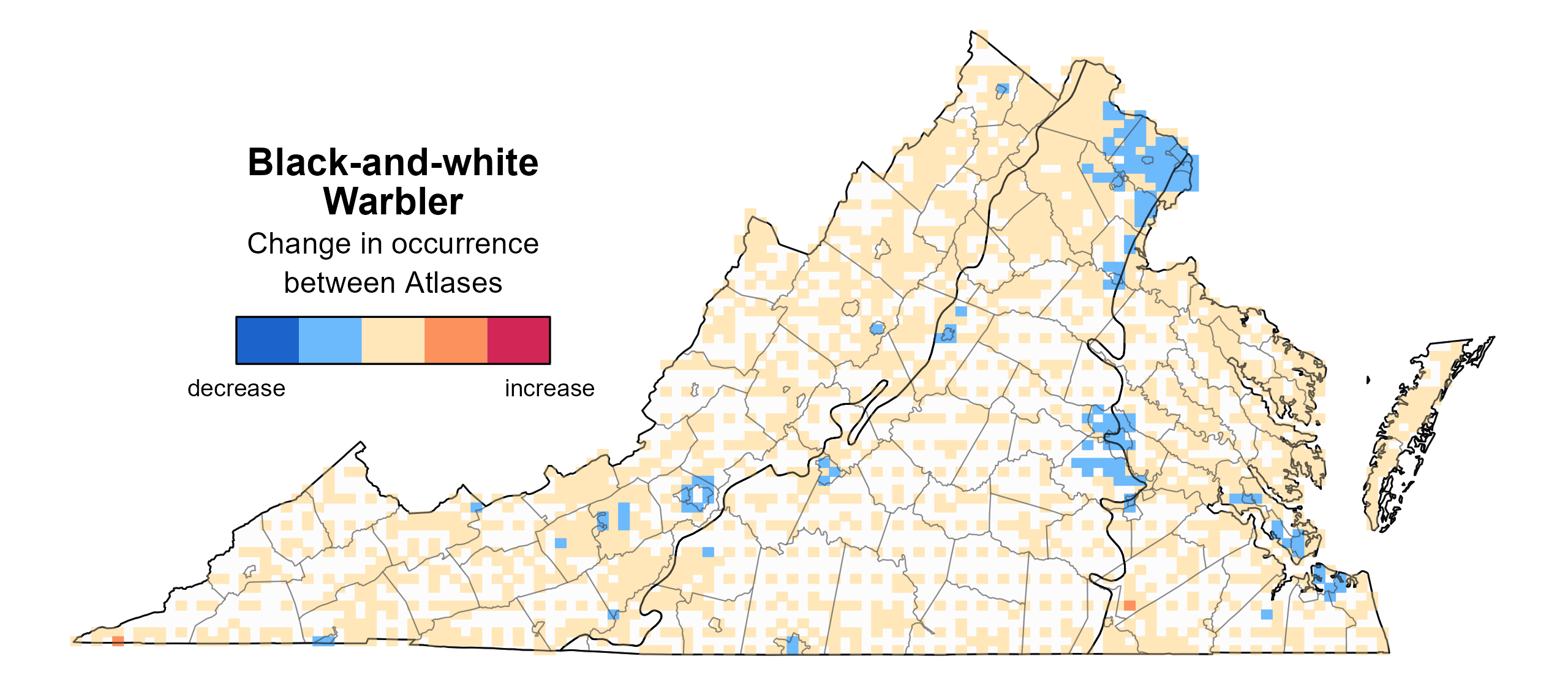
Between the First and Second Atlases (Figures 1 and 2), the Black-and-white-Warbler’s likelihood of occurring decreased the most in and around more developed areas of the state, such as the greater Richmond area and Northern Virginia as well as smaller urban areas (Figure 3). Its predicted occurrence remained constant throughout the remainder of the state.
View Environmental Associations

Breeding Evidence
Black-and-white Warblers were confirmed breeders in 157 blocks and 66 counties and found to be probable breeders in an additional 21 counties (Figure 4). Breeding evidence was recorded in similar areas of the state during both Atlases, although more observations were recorded during the Second Atlas, which may have been due to increased survey effort (Figures 3 and 4).
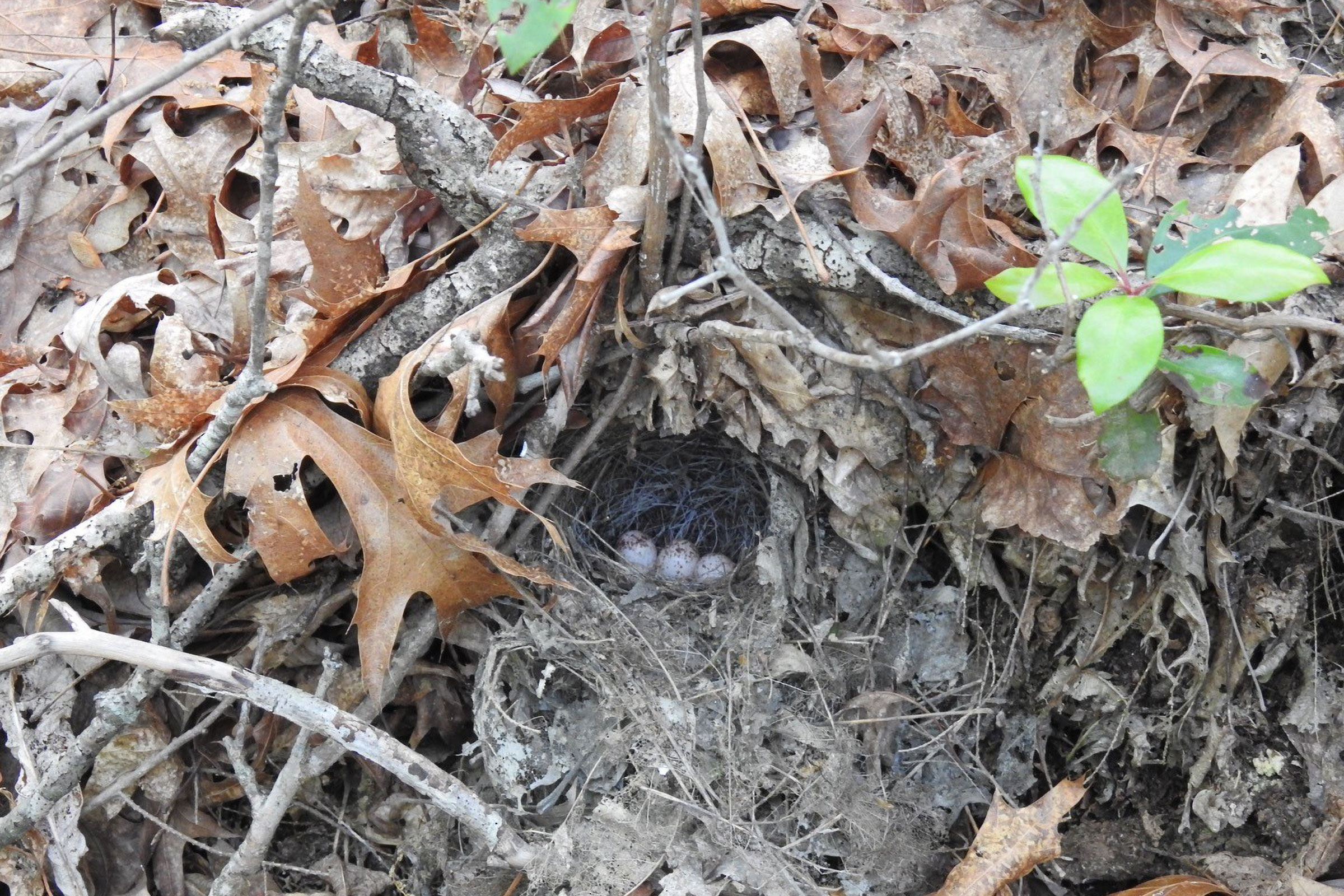
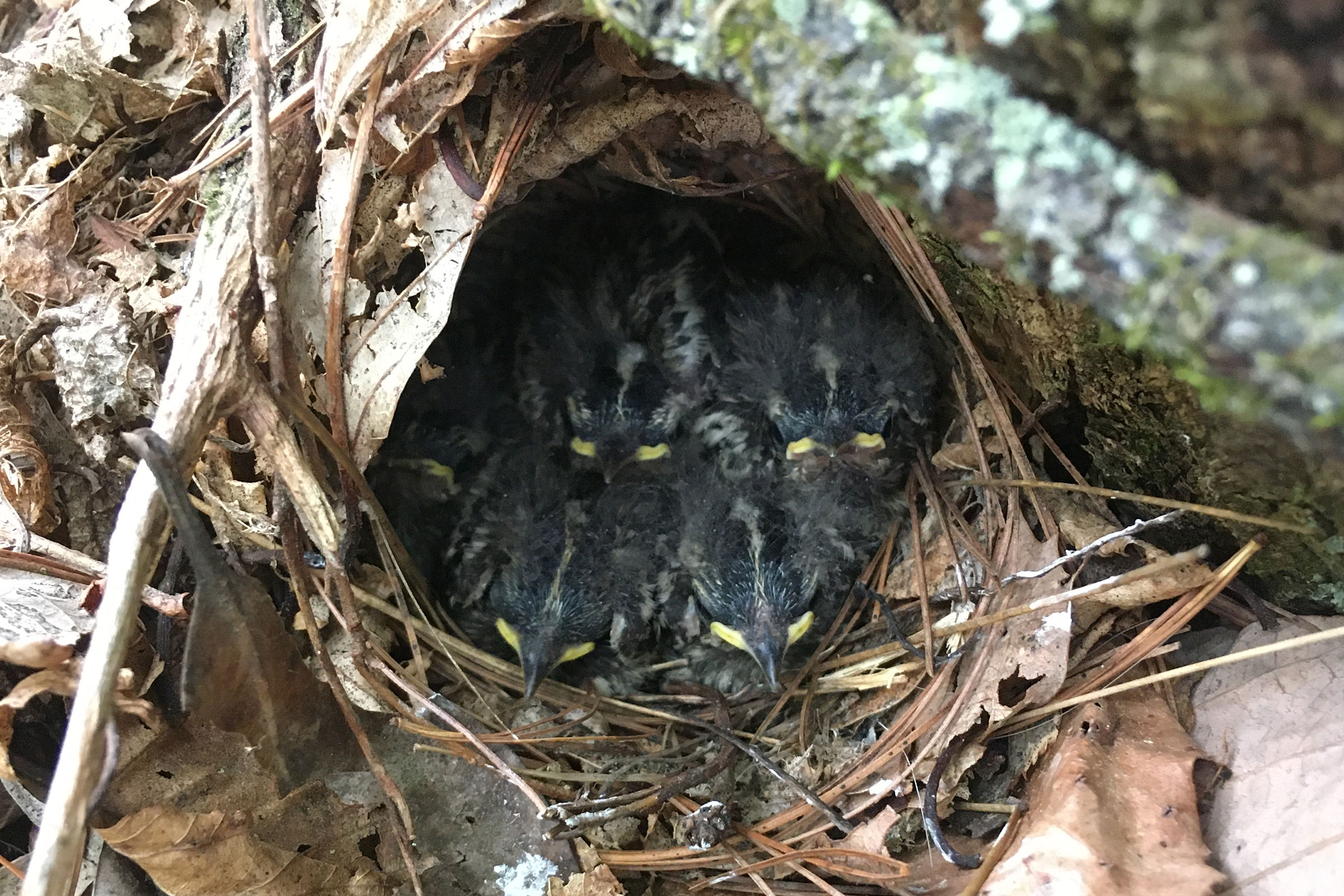
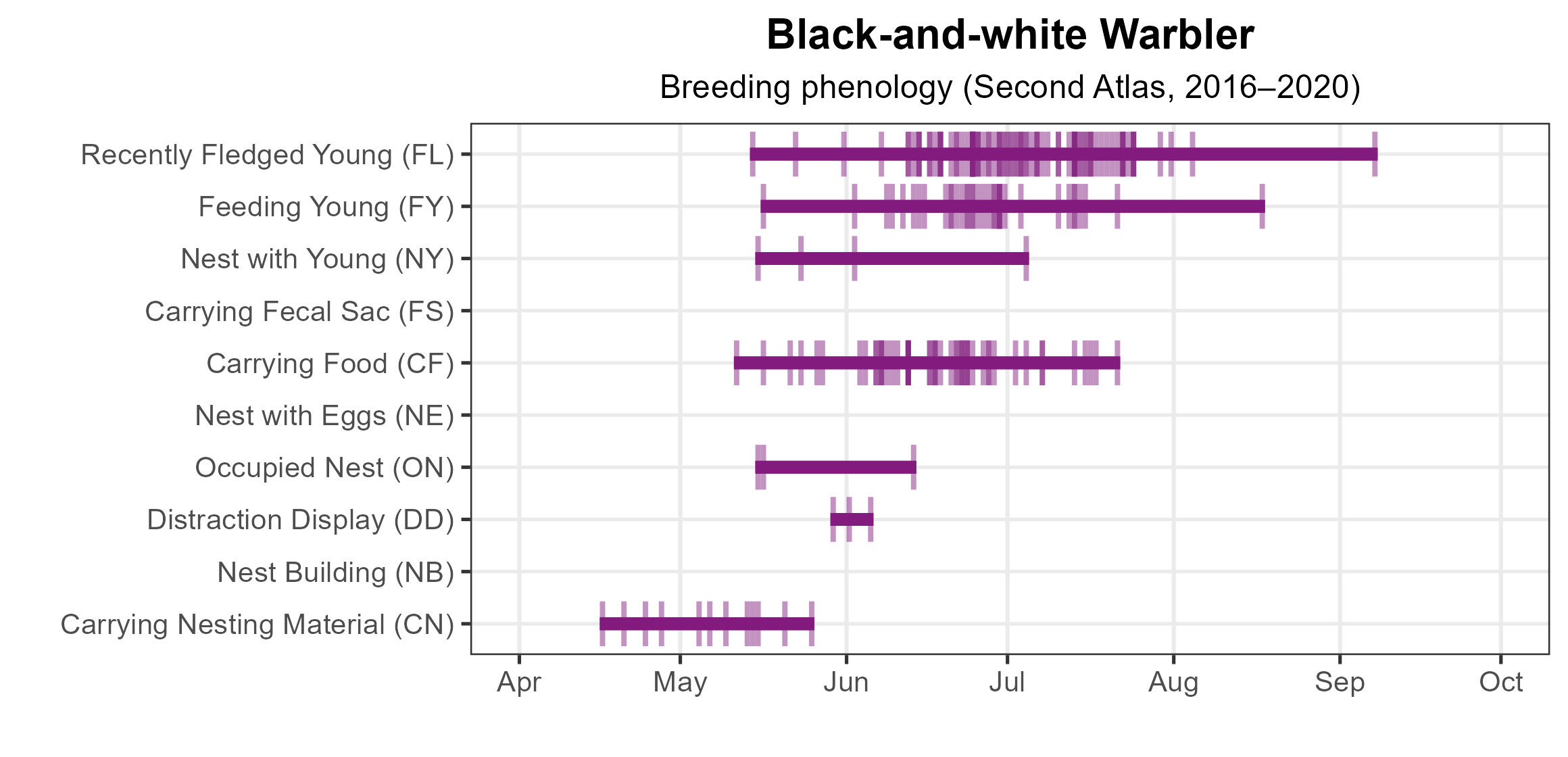
Evidence of breeding was observed from late spring through early summer. Adults carrying nesting material were observed as early as April 16; however, breeding was confirmed primarily through observations of recently fledged young, seen as late as September 7; adults carrying food (May 11 – July 21); and adults feeding young (May 16 – August 17) (Figure 6).
For more general information on the breeding habits of this species, please refer to All About Birds.


Population Status
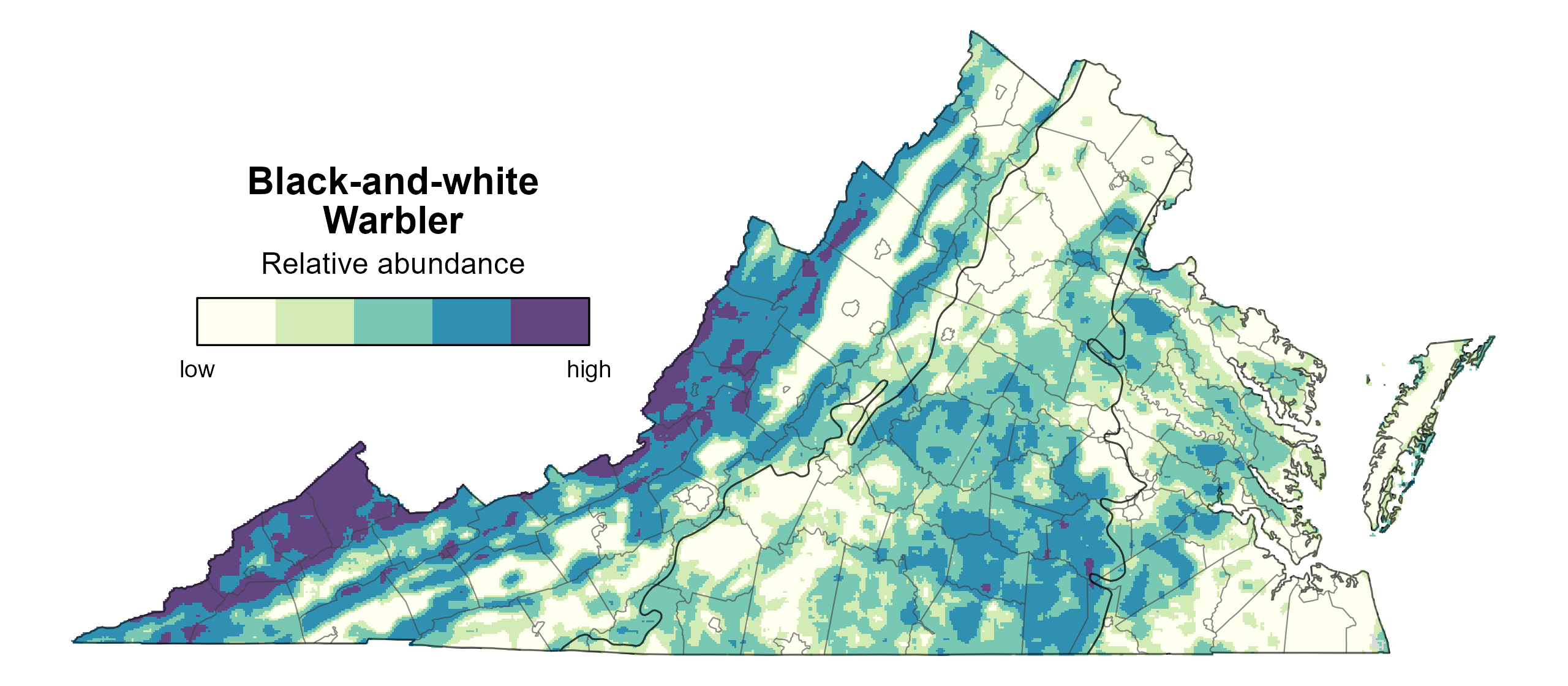
Black-and-white Warbler relative abundance was estimated to be highest in the heavily forested portions of the Mountains and Valleys region (Figure 7). Predicted abundance was lowest in intensively farmed valleys; near highly developed areas, such as Northern Virginia, Richmond, and Hampton Roads-Virginia Beach; and on the Eastern Shore.
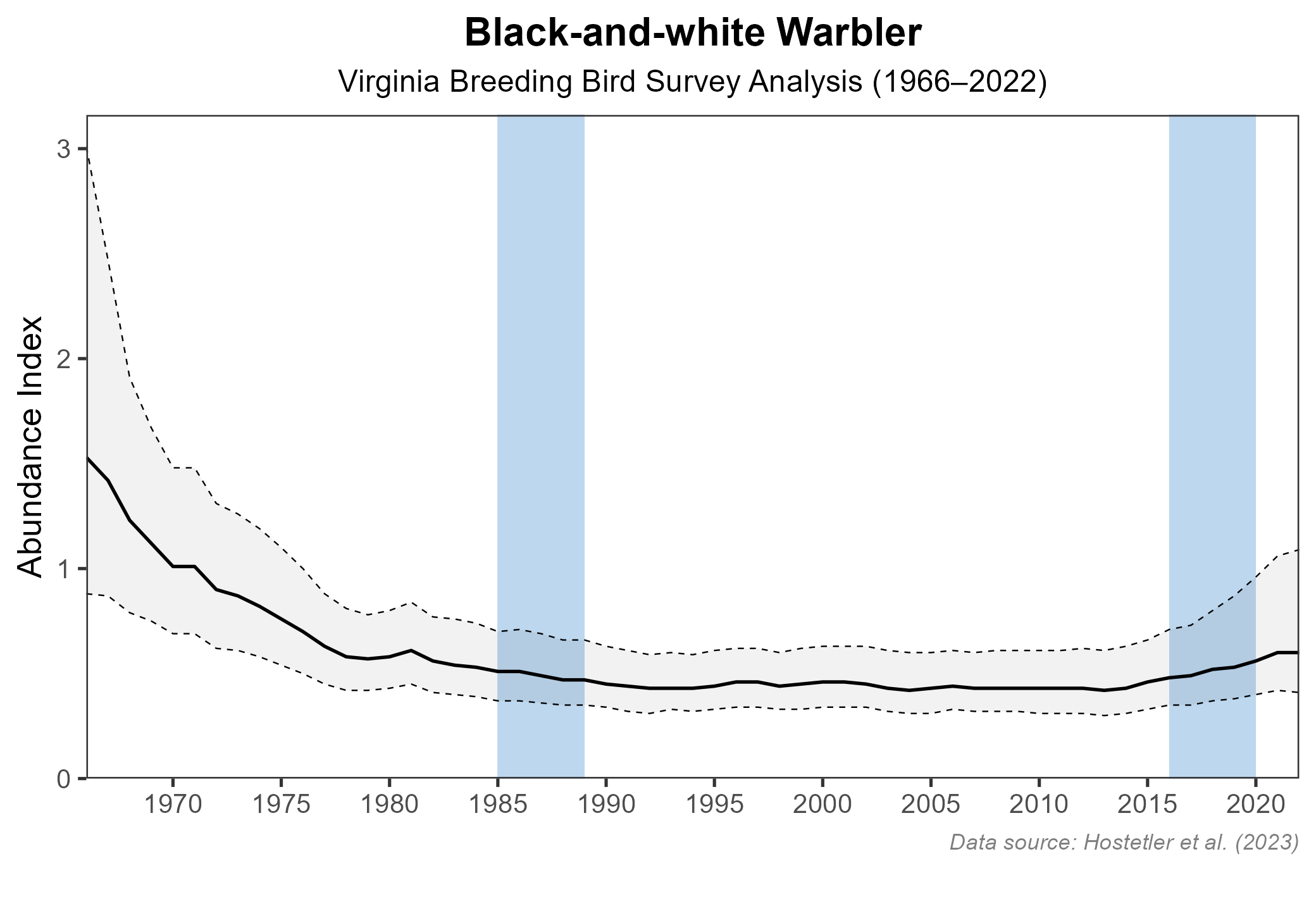
The total estimated Black-and-white Warbler population in the state is approximately 296,000 individuals (with a range between 242,000 and 363,000). Based on the North American Breeding Bird Survey (BBS), the Black-and-white Warbler population declined by a significant 1.29% annually from 1966–2022 in Virginia, and between Atlas periods, the Black-and-white Warbler population increased by a nonsignificant rate of 0.14% per year from 1987–2018 (Hostetler et al. 2023; Figure 8).
Conservation
In Virginia, the Black-and-White Warblers is classified as a Tier IV Species of Greatest Conservation Need in the 2025 Virginia Wildlife Action Plan, indicating that it is of moderate conservation need (VDWR 2025). Its observed decline between 1966 and 2022 in the urban and suburban areas around Richmond, Northern Virginia, and coastal Virginia may have been in part driven by fragmentation dynamics and the impacts of habitat degradation from deer browsing the understory habitats in which they nest (Jirinec et al. 2017).
Interactive Map
The interactive map contains up to six Atlas layers (probability of occurrence for the First and Second Atlases, change in probability of occurrence between Atlases, breeding evidence for the First and Second Atlases, and abundance for the Second Atlas) that can be viewed one at a time. To view an Atlas map layer, mouse over the layer box in the upper left. County lines and physiographic regional boundaries (Mountains and Valleys, Piedmont, and Coastal Plain) can be turned on and off by checking or unchecking the box below the layer box. Within the map window, users can hover on a block to see its value for each layer and pan and zoom to see roads, towns, and other features of interest that are visible beneath a selected layer.
View Interactive Map in Full Screen
References
Hostetler, J. A., J. R. Sauer, J. E. Hines, D. Ziolkowski, and M. Lutmerding (2023). The North American breeding bird survey, analysis results 1966–2022. U.S. Geological Survey, Laurel, MD, USA. https://doi.org/10.5066/P9SC7T11.
Jirinec, V., D. A. Cristol, and M. Leu (2017). Songbird community varies with deer use in a fragmented landscape. Landscape and Urban Planning 161:1–9.
Kricher, J. C. (2020). Black-and-white Warbler (Mniotilta varia), version 1.0. In Birds of the World (A. F. Poole, Editor). Cornell Lab of Ornithology, Ithaca, NY, USA. https://doi.org/10.2173/bow.bawwar.01.
Virginia Department of Wildlife Resources (VDWR). 2025. Virginia wildlife action plan. Virginia Department of Wildlife Resources, Henrico, VA, USA. 506 pp.