Introduction
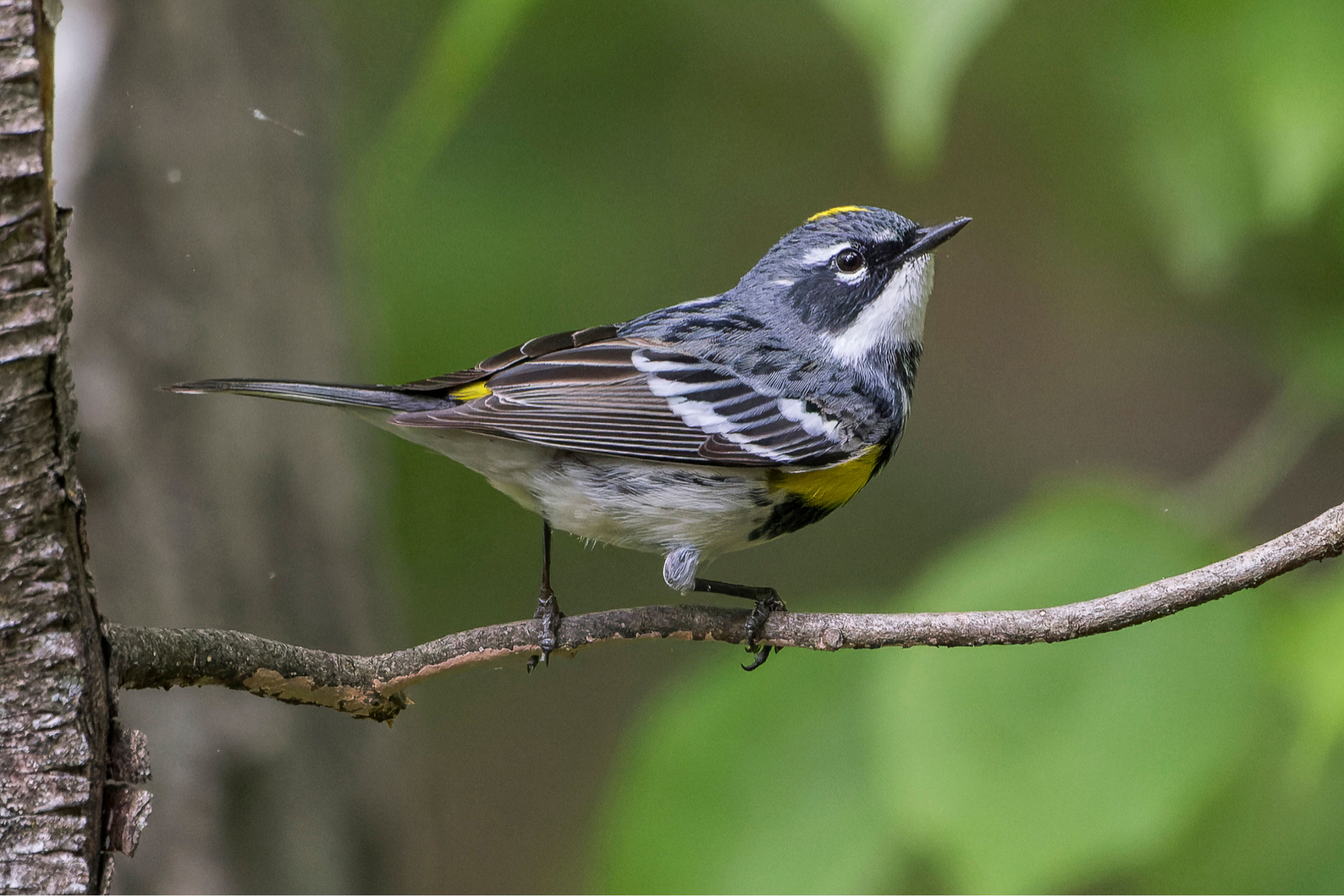
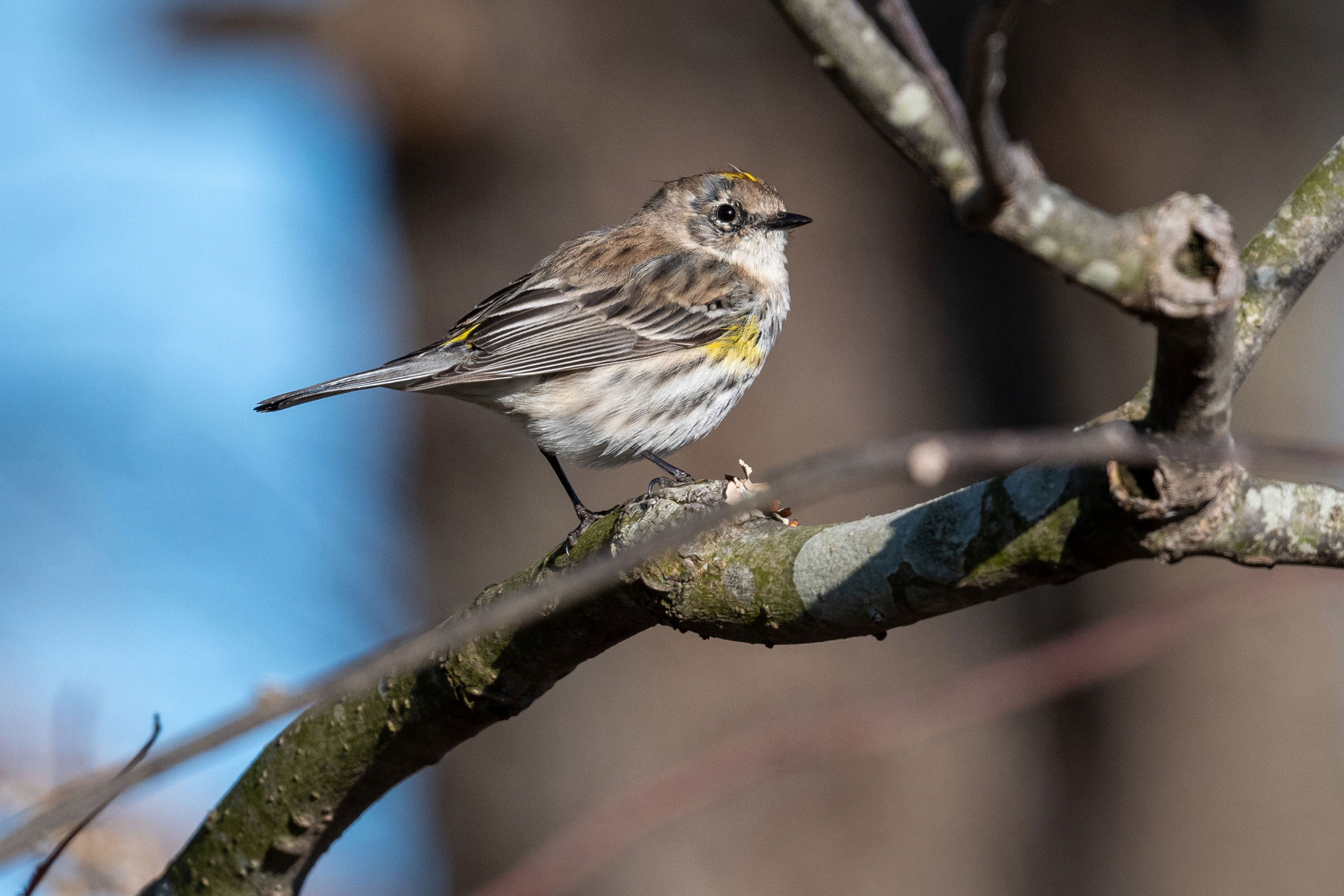
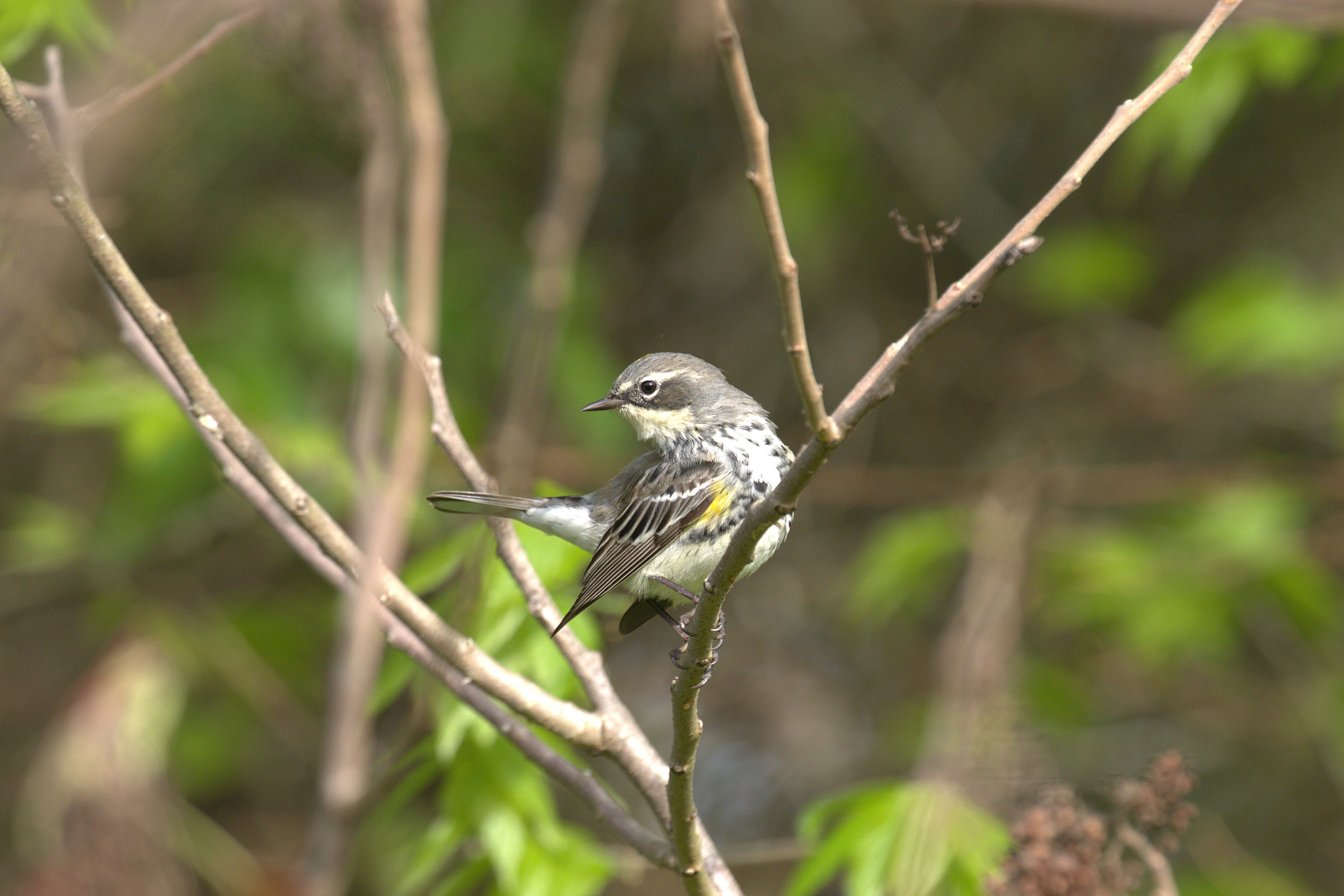
The Yellow-rumped Warbler is one of the most abundant warblers in the U.S., commonly seen in Virginia during winter and migration. In Virginia, we have the Myrtle Warbler, subspecies Setophaga coronata coronata, formerly considered a separate species.
Known by several nicknames, including “myrtle,” “butterbutt,” and “yump,” the Yellow-rumped Warbler has a unique ability to digest waxy berries, such as those of bayberry (Myrica spp.), allowing it to winter farther north than other warbler species that cannot digest this food source (Hunt and Flaspohler 2020). While this species is well known as a winter visitor, it has only established itself as a breeder in Virginia since the mid-1990s, nesting in high-elevation forests, where it is now a rare and local but increasing summer resident (Rottenborn and Brinkley 2007). This makes Virginia the southernmost extent of the known breeding range in the eastern U.S.
Breeding Distribution
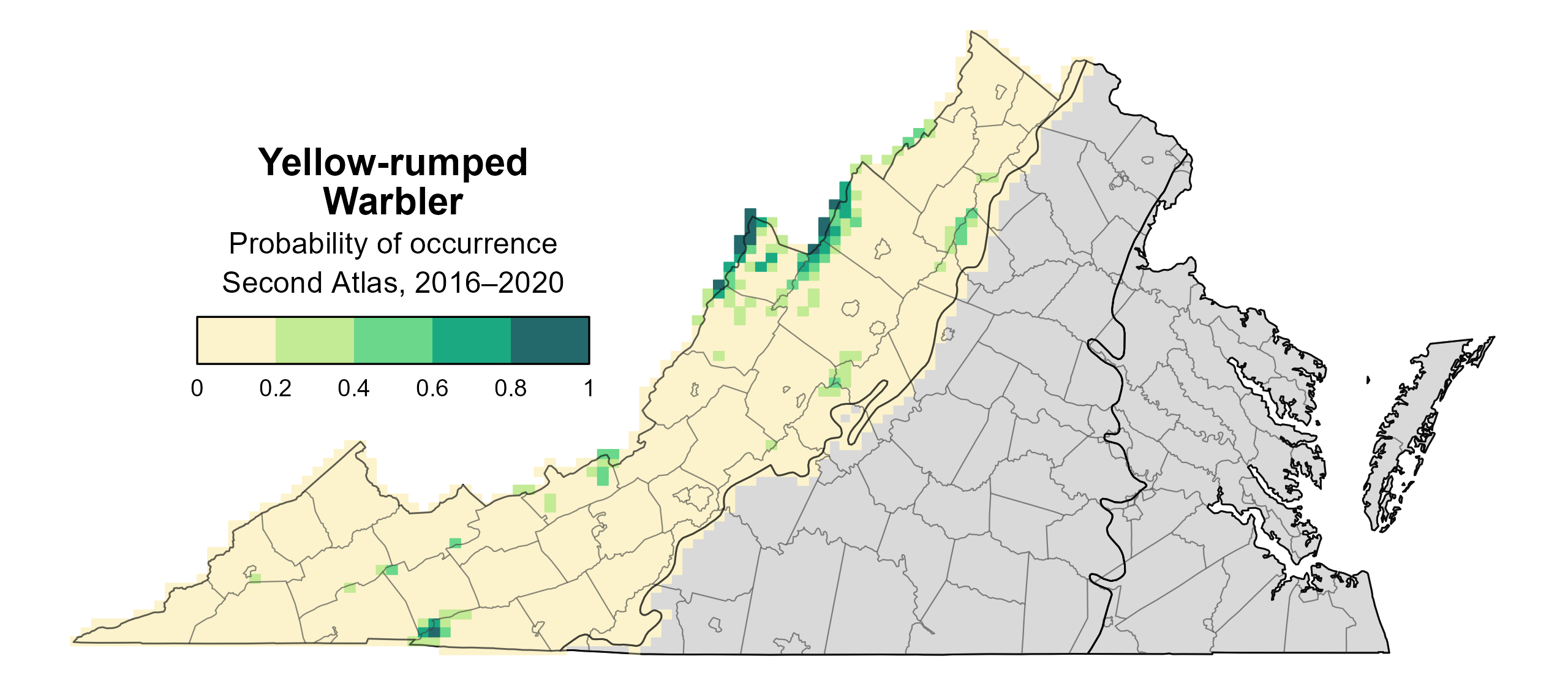
As a relatively new breeder, the Yellow-rumped Warbler has a limited distribution in the state. The Virginia breeding population may have originated from West Virginia, where the species is a local breeder, following a southward range expansion into New York and Pennsylvania since the 1970s (Hunt and Flaspohler 2020). Yellow-rumped Warblers are elevation-sensitive in Virginia, occurring only at 4,000 ft (1,220 m) or higher (Figure 1) (Lessig 2008). Elevation is the major predictor of its occurrence in the state.
Because this species was not observed during the First Atlas, no change in its distribution between Atlas periods was modeled.
View Environmental Associations
Breeding Evidence
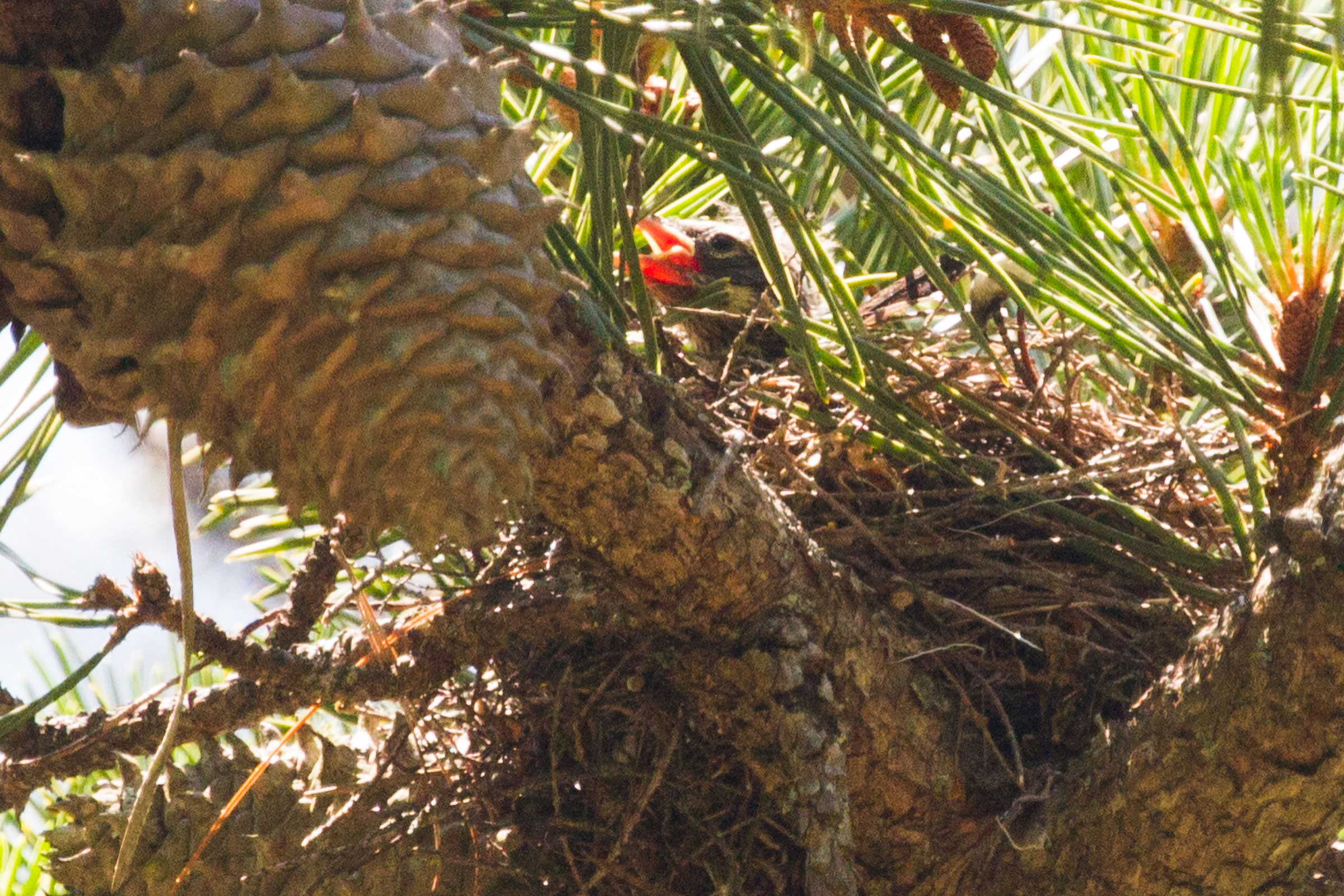
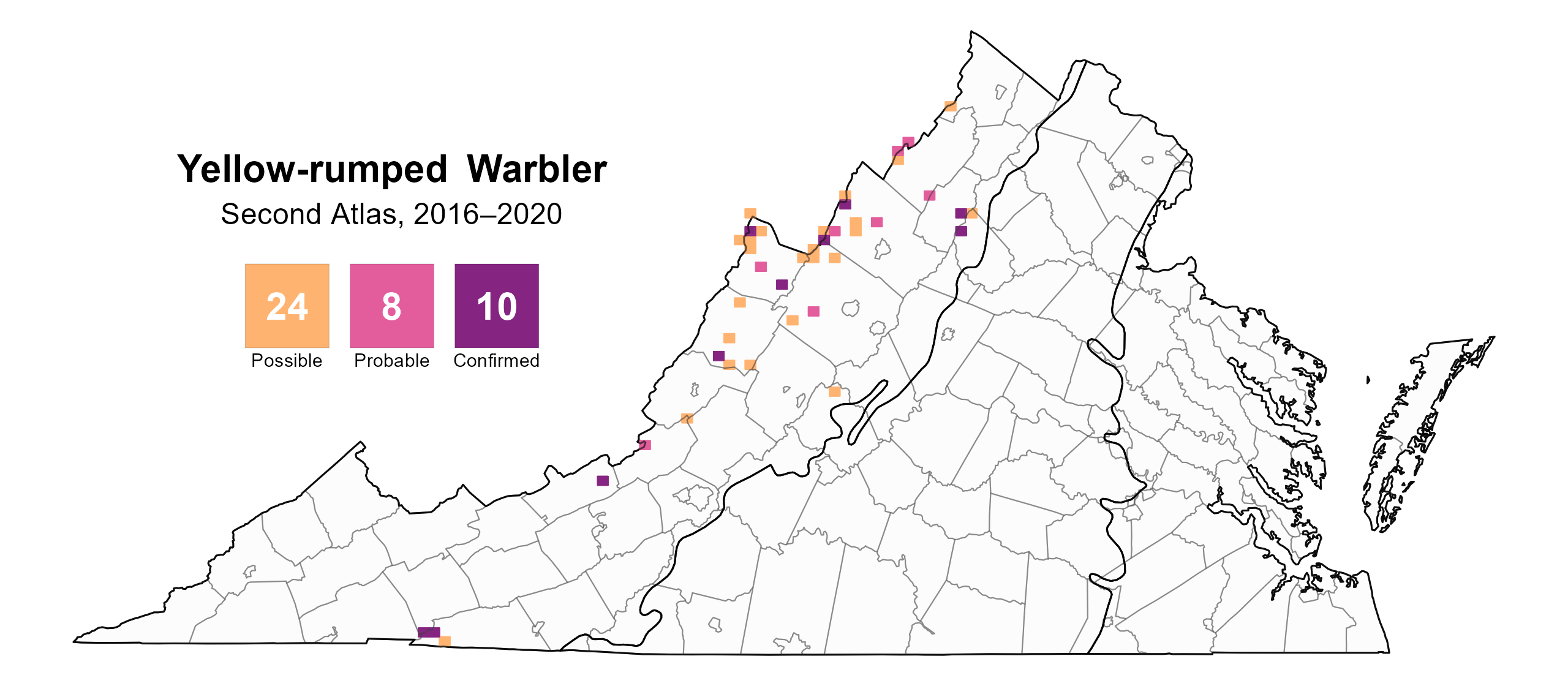
Yellow-rumped Warblers were confirmed breeders in 10 blocks in seven counties and probable breeders in an additional five counties in the Mountains and Valleys region (Figure 2). Breeding confirmations were documented on Whitetop Mountain and Mount Rogers in Grayson County, at Mountain Lake Biological Station in Giles County, on Warm Springs Mountain in Bath County, near McDowell and along Sapling Ridge in Highland County, in the George Washington National Forest in Augusta County, at Reddish Knob and Radar Mountain in Rockingham County, and within Shenandoah National Park in both Page and Madison Counties. The first evidence of breeding, a male and female with enlarged gonads, was documented in Rockingham County in 1995 (Rottenborn and Brinkley 2007).
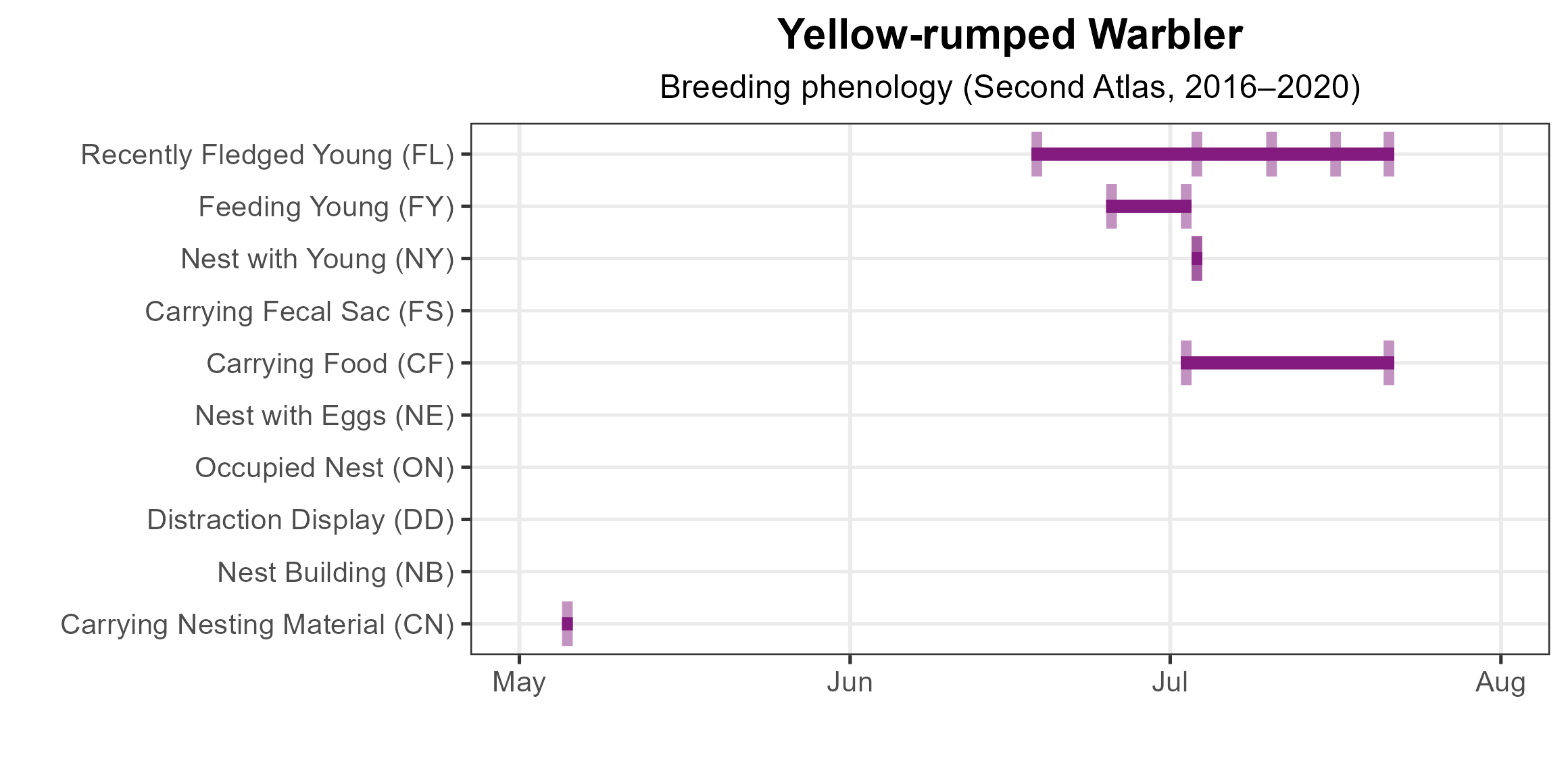
Most breeding confirmations were based on sightings of fledglings, with dates ranging from June 18 to July 21 (Figure 3), which aligns with the comparatively late breeding phenology observed in Yellow-rumped Warblers compared to other warbler species (Hunt and Flaspohler 2020). For more general information on the breeding habits of the Yellow-rumped Warbler, please refer to All About Birds.
Population Status
Due to the relatively low number of detections during the point count surveys, an abundance model could not be developed for the Yellow-rumped Warbler in Virginia. The North American Breeding Bird Survey (BBS) also does not capture the species well within the state.
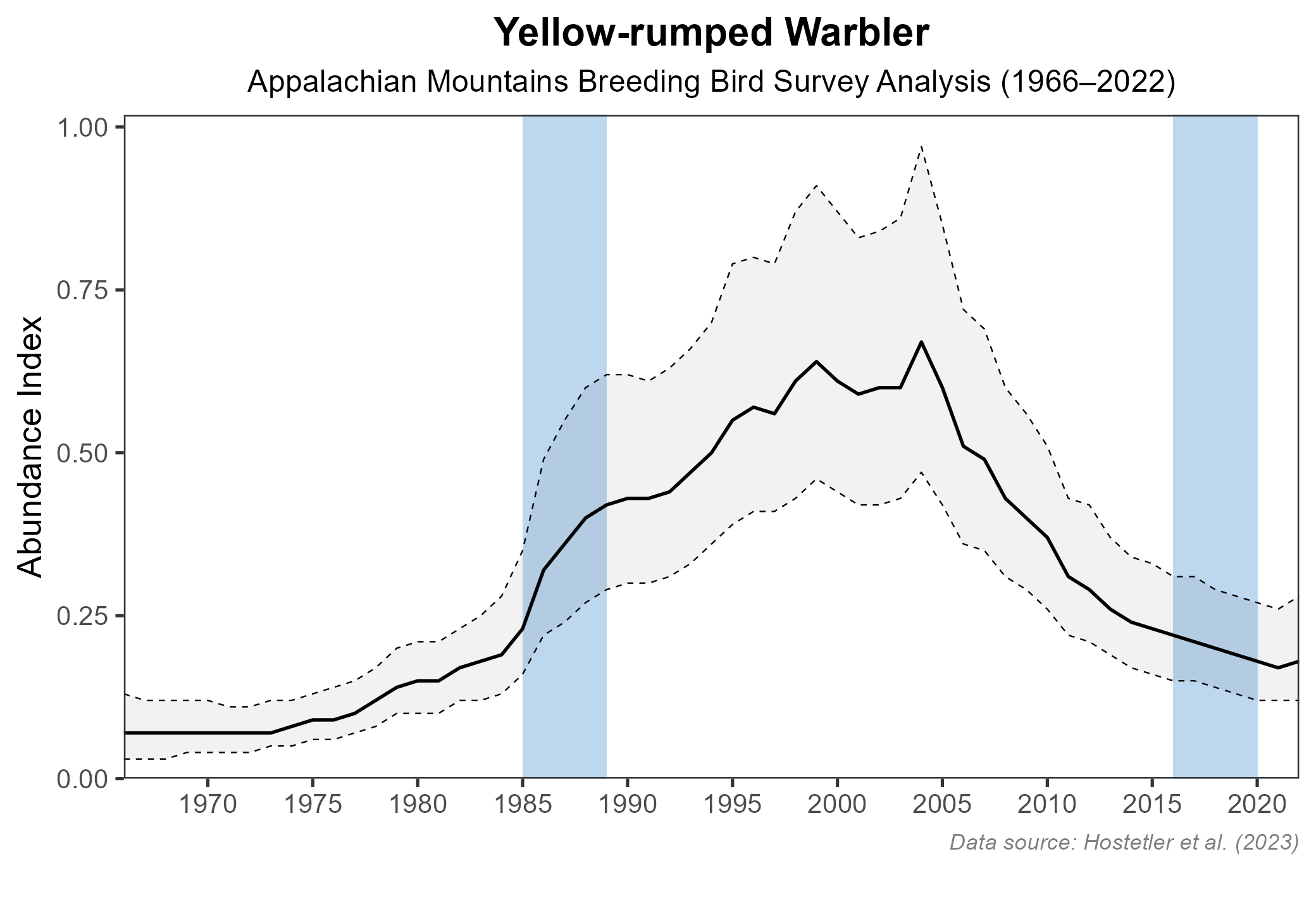
However, in the Appalachian Mountains BBS region, the species had shown a population increase, peaking in the early 2000s, before beginning to decline more recently. Overall, the BBS trend for the Appalachian Mountains region indicates a significant increase of 1.93% per year from 1966 to 2022 (Hostetler et al. 2023; Figure 4). In contrast, BBS data between the First and Second Atlas showed a significant decline of 1.91% per year from 1987 to 2018.
Conservation
As a relatively new addition to Virginia’s breeding bird community, the Yellow-rumped Warbler has not been the focus of specific conservation efforts. Given its common status throughout its breeding range outside Virginia, its ongoing range expansion in the eastern U.S., and its ability to utilize a variety of habitats (Hunt and Flaspohler 2020), there are no targeted conservation actions for this species in Virginia. However, any efforts to conserve or manage coniferous forests in the state will likely benefit its breeding population along with other high-elevation species. The Yellow-rumped Warbler will continue to delight Virginians in winter and may continue to gain a stronghold as a summer resident.
Interactive Map
The interactive map contains up to six Atlas layers (probability of occurrence for the First and Second Atlases, change in probability of occurrence between Atlases, breeding evidence for the First and Second Atlases, and abundance for the Second Atlas) that can be viewed one at a time. To view an Atlas map layer, mouse over the layer box in the upper left. County lines and physiographic regional boundaries (Mountains and Valleys, Piedmont, and Coastal Plain) can be turned on and off by checking or unchecking the box below the layer box. Within the map window, users can hover on a block to see its value for each layer and pan and zoom to see roads, towns, and other features of interest that are visible beneath a selected layer.
View Interactive Map in Full Screen
References
Hostetler, J. A., J. R. Sauer, J. E. Hines, D. Ziolkowski, and M. Lutmerding (2023). The North American breeding bird survey, analysis results 1966–2022. U.S. Geological Survey, Laurel, MD, USA. https://doi.org/10.5066/P9SC7T11.
Hunt, P. D. and D. J. Flaspohler (2020). Yellow-rumped Warbler (Setophaga coronata), version 1.0. In Birds of the World (P. G. Rodewald, Editor). Cornell Lab of Ornithology, Ithaca, NY, USA. https://doi.org/10.2173/bow.yerwar.01.
Lessig, H. (2008). Species distribution and richness patterns of bird communities in the high elevation forests of Virginia. Master’s Thesis. Virginia Polytechnic Institute and State University, Blacksburg, VA, USA.
Rottenborn, S. C., and E. S. Brinkley (Editors) (2007). Virginia’s birdlife: An annotated checklist. 4th edition. Virginia Society of Ornithology.