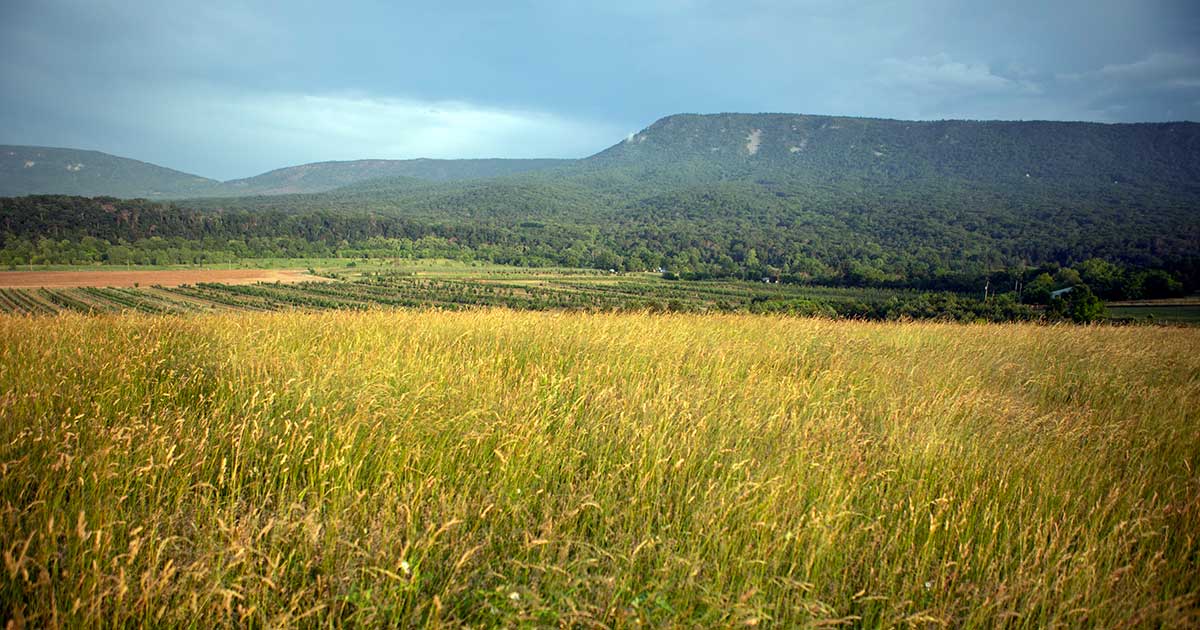
Agricultural lands, including cultivated croplands, pasture and hayfields, cover over 5.3 million acres (2.2 million hectares) or 21% of Virginia (USGS 2024). Pasture and hay cover account for three quarters of these lands. While agricultural lands are found across the state, pasture and hayfields are especially concentrated in the Mountains and Valleys region and in the northern Piedmont, and row crops in the Coastal Plain (USGS 2024).
Pastures and hayfields support a diversity of grassland and shrubland bird species. Although most pastures and hayfields are dominated by non-native cool-season grasses, some hayfields contain Virginia’s purest stands of native warm season grasslands (VDWR 2025). Both grassland and shrubland habitats are dependent on disturbance in other to avoid reverting to forest. Hayfield grasslands are kept open through harvests, which can occur up to four times a year (VDWR 2025). In contrast, grassland habitat in pastures is maintained by grazing livestock. While hayfields primarily support the grassland bird community, pastures often include woody vegetation and are used by both grassland and shrub-dependent birds. These trees and shrubs may grow along fencerows and within the pasture itself: as plantings along streams to prevent erosion by cattle, as well as in sinkholes and in areas with topographic relief that receive less grazing pressure from cattle.
The primary threat to habitats supported by pastures and hayfields is conversion to other land uses, including development. Sustainable energy operations (e.g. solar arrays) are becoming an increasingly common sight in the Commonwealth. Studies are underway to determine their use by birds across seasons, and habitat management practices to make these sites more bird- and pollinator-friendly are in various stages of development. An additional threat is the shift of agricultural practices from less intensely-managed family farms to larger monocultures and rotation crops that require a substantial amount of land, chemicals, and water resources to sustain them.
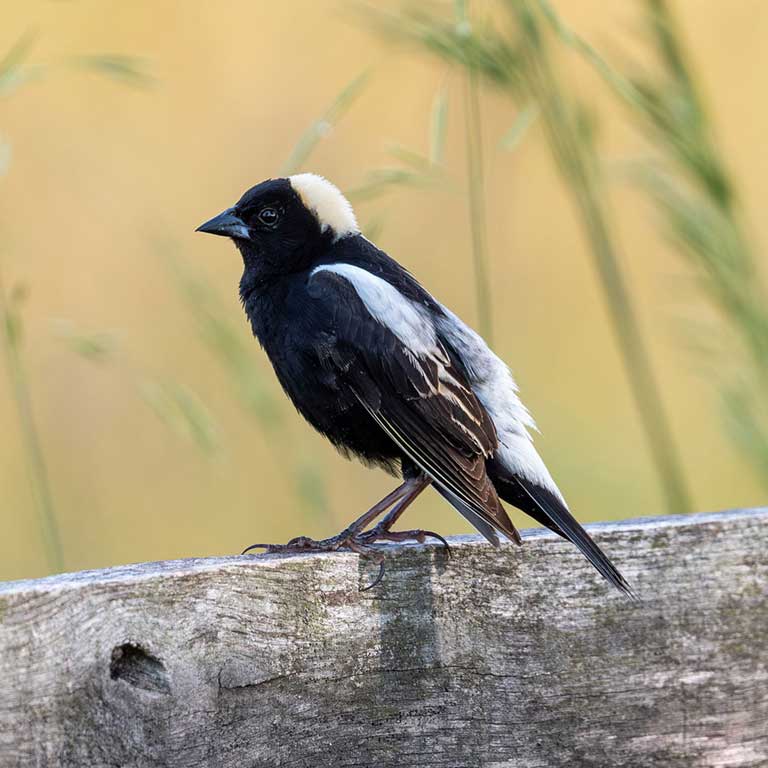
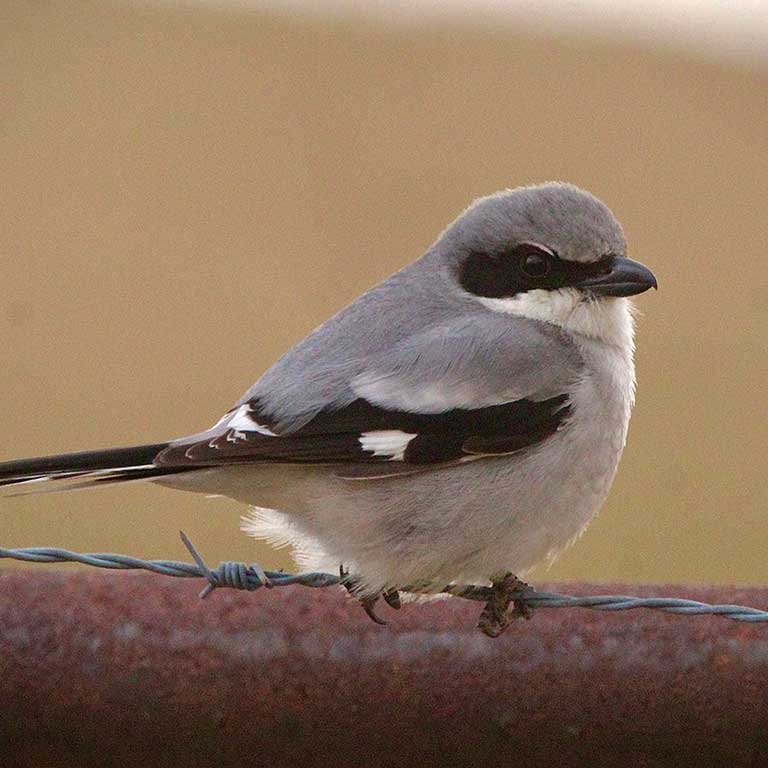
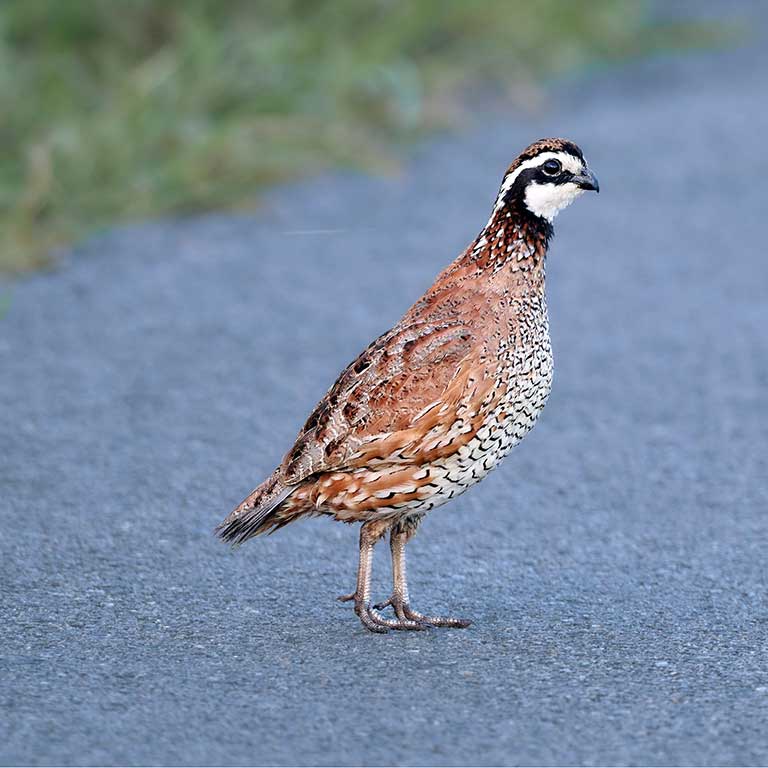
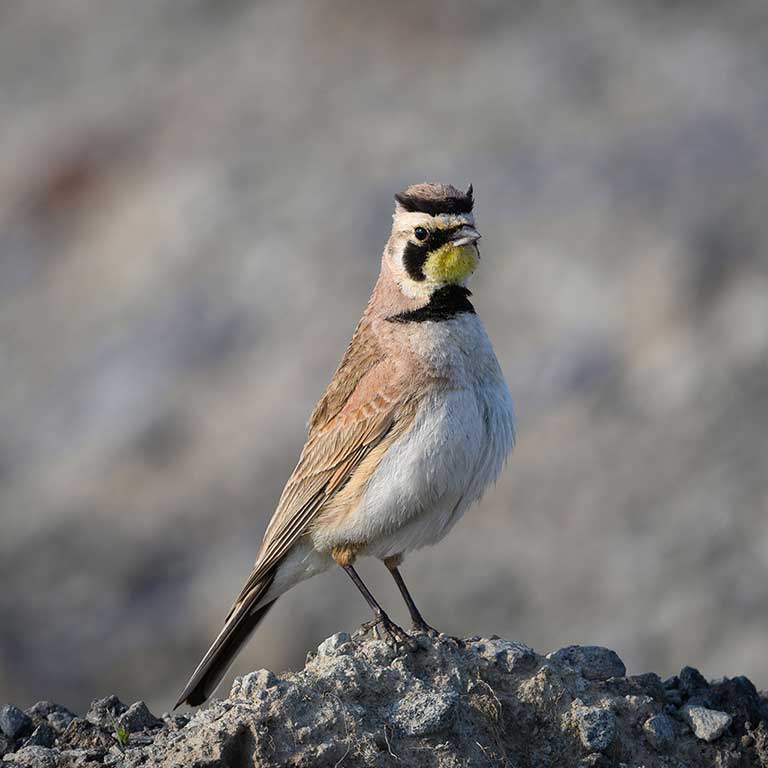
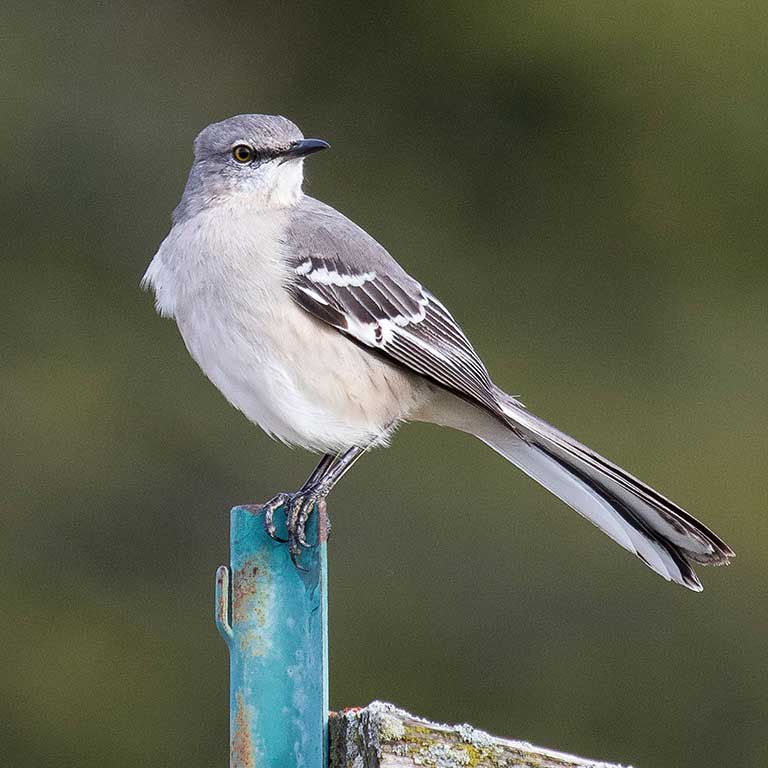
Various grassland and shrubland species depend on agricultural lands as nesting habitat. Among them are Bobolink (Dolichonyx oryzivorus), Loggerhead Shrike (Lanius ludovicianus), Northern Bobwhite (Colinus virginianus), Horned Lark (Eremophila alpestris), and Northern Mockingbird (Mimus polyglottos).
Literature Cited
U.S. Geological Survey (USGS) (2024). Annual NLCD collection 1 science products (ver. 1.1, June 2025): U.S. Geological Survey data release. Reston, VA, USA. https://doi.org/10.5066/P94UXNTS.
Virginia Department of Wildlife Resources (VDWR) (2025). Virginia wildlife action plan. Virginia Department of Wildlife Resources, Henrico, VA, USA. 506 pp.