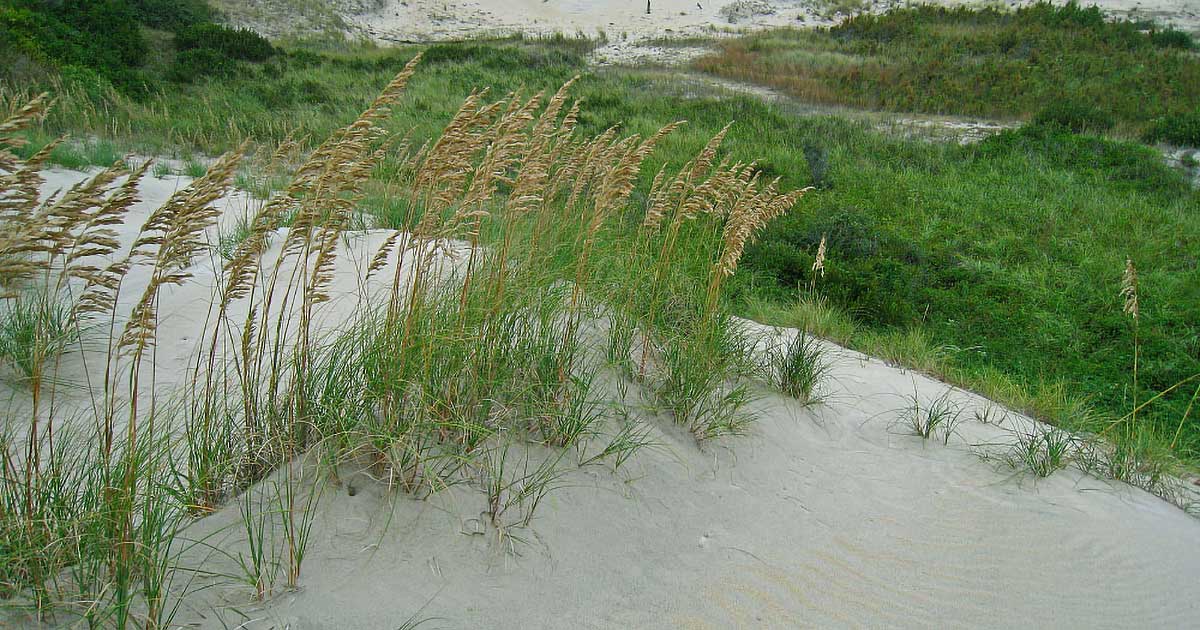
Though represented primarily by beach habitat, barren lands in Virginia also include scarps (steep banks, cliffs), talus slopes, strip mines and rock and sand quarries (USGS 2024). Collectively they cover approximately 80,000 acres (32,000 hectares), or 0.3% of the state.
Virginia’s coastal beaches are found along ocean shorelines (offshore beaches) and within the Chesapeake Bay estuary (inshore beaches) (VDWR 2025). The offshore beaches of Virginia’s chain of barrier islands are important breeding habitat for many shorebirds and seabirds; a number of these species also nest along inshore beaches, though to a lesser extent (VDWR 2025).
In recent decades, quarries have played an increasingly important role in supporting some burrow-nesting species (see below), as well as cliff-nesters such as Peregrine Falcon (Falco peregrinus), and are expected to continue supplementing natural habitats.
Climate-mediated sea level rise and more intense and frequent storms threaten beach habitat through erosion, flooding and permanent inundation. Restoration of oyster reefs and marshes to promote coastal resilience is an alternative to shoreline hardening through sea walls and jetties, which can interfere with beneficial natural processes.
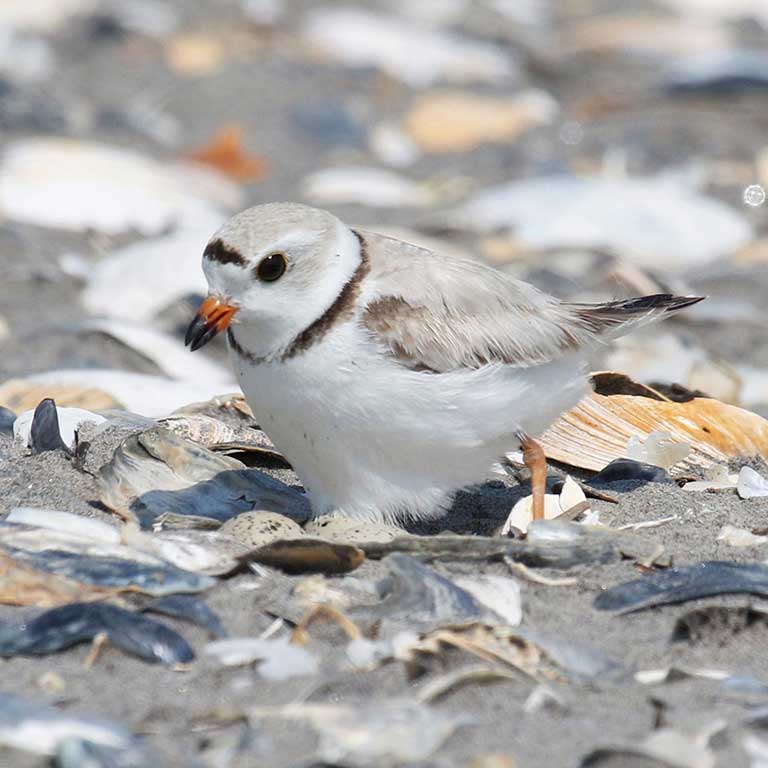
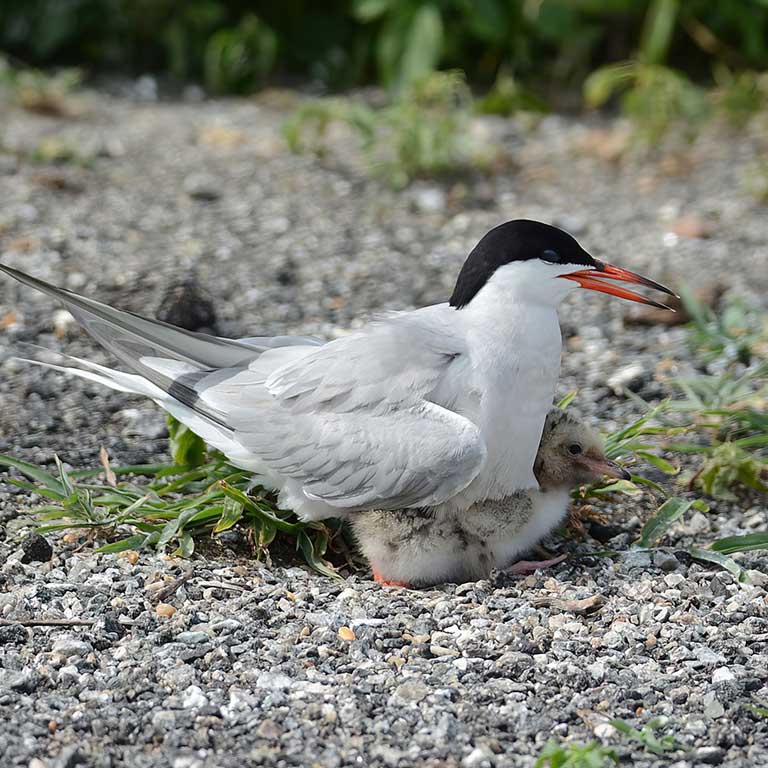
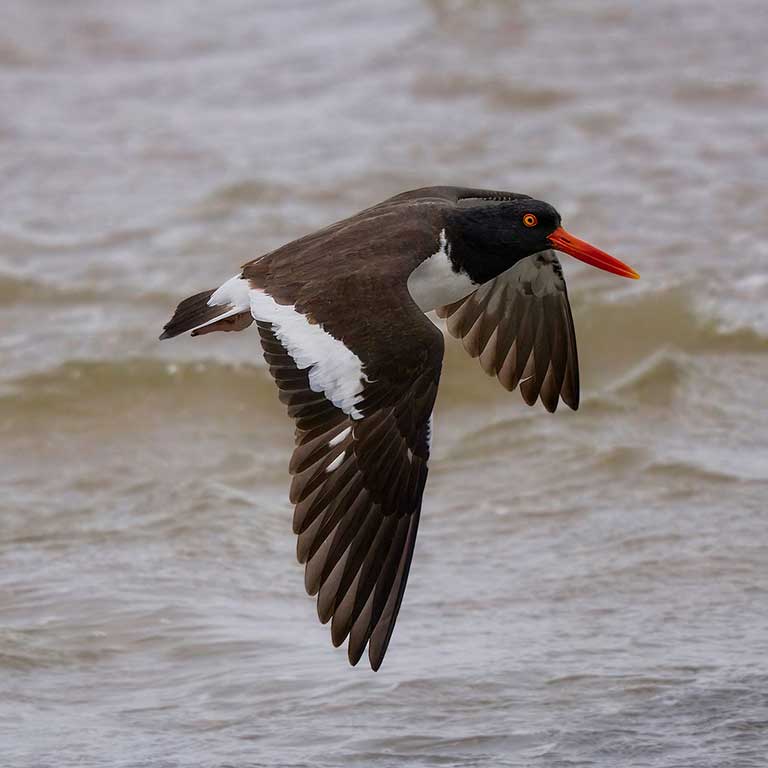
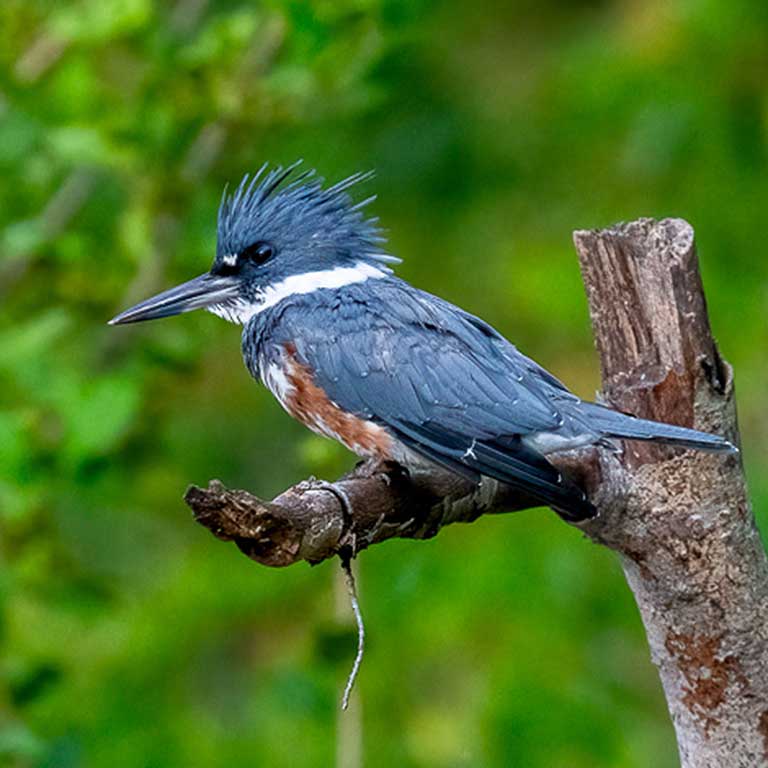
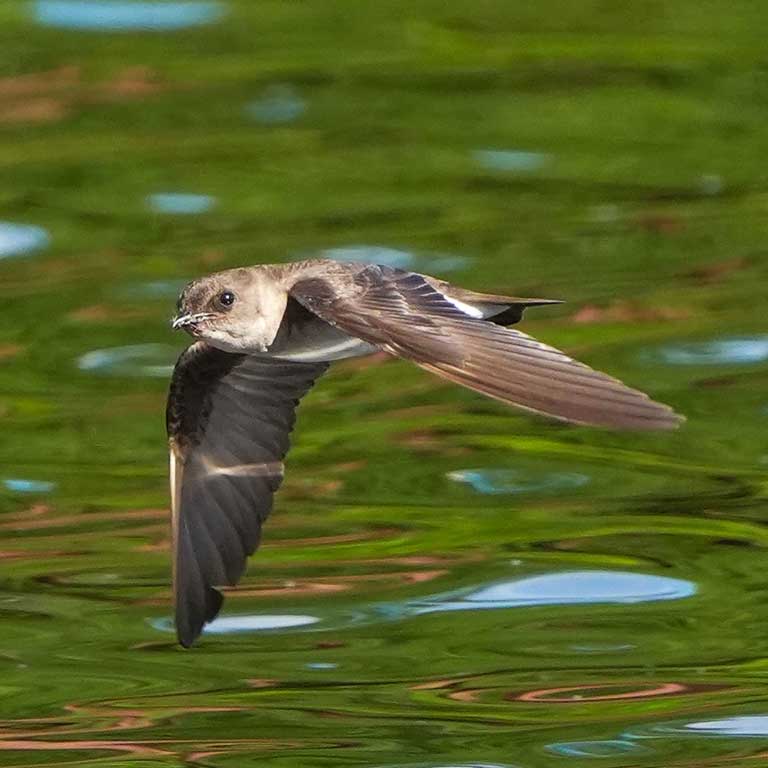
The Federally Threatened Piping Plover (Charadrius melodus), Common Tern (Sterna hirundo), and American Oystercatcher (Haematopus palliatus) are all beach-nesting species. Belted Kingfisher (Megaceryle alcyon) and Northern Rough-winged Swallow (Stelgidopteryx serripennis) can be found nesting along exposed river banks, but have also adapted to using quarries.
Literature Cited
U.S. Geological Survey (USGS) (2024). Annual NLCD collection 1 science products (ver. 1.1, June 2025): U.S. Geological Survey data release. Reston, VA, USA. https://doi.org/10.5066/P94UXNTS.
Virginia Department of Wildlife Resources (VDWR) (2025). Virginia wildlife action plan. Virginia Department of Wildlife Resources, Henrico, VA, USA. 506 pp.