Efforts across the Commonwealth
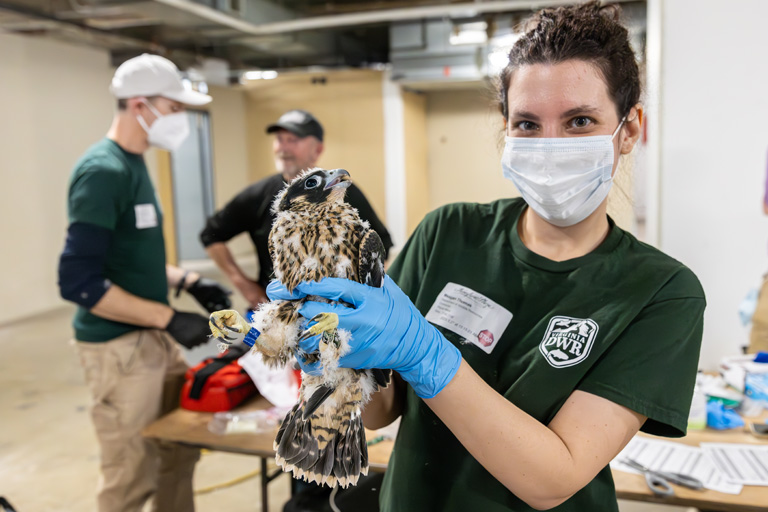
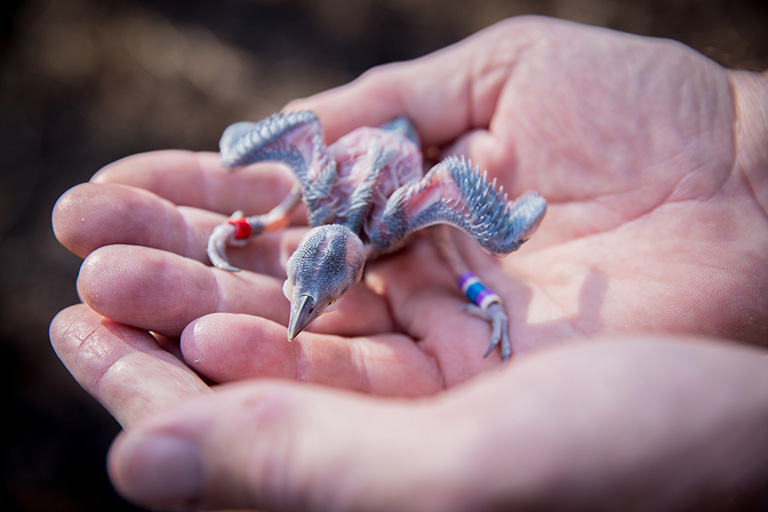
Virginia is home to a rich variety of birds and habitats, from coastal wetlands and tidal marshes to mountain forests and grasslands, making conservation efforts vital for maintaining biodiversity. Conservation partners across the Commonwealth work not only to protect and restore critical habitats on which birds depend, but to understand and reverse the broader causes of bird population declines. These efforts support threatened and endangered species such as the Piping Plover (Charadrius melodus) and Red-cockaded Woodpecker (Leuconotopicus borealis), while also benefiting pollinators, fish, and other wildlife that depend on the same healthy ecosystems and that face similar threats.
Contributions to Conservation
The Atlas is poised to help inform the efforts of the Commonwealth’s many bird conservation partners through its suite of data products and through the raw data collected by volunteers and field technicians. It can be added to the toolbox of existing decision support tools and data-driven products available for Virginia.
Lay of the Land
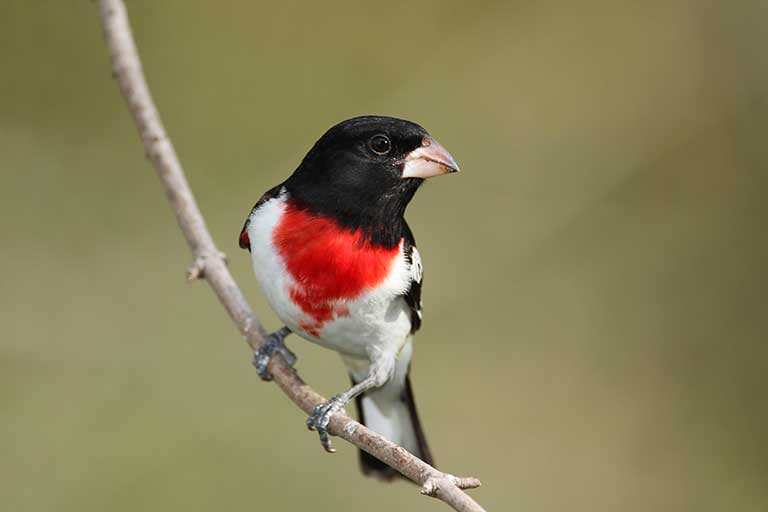
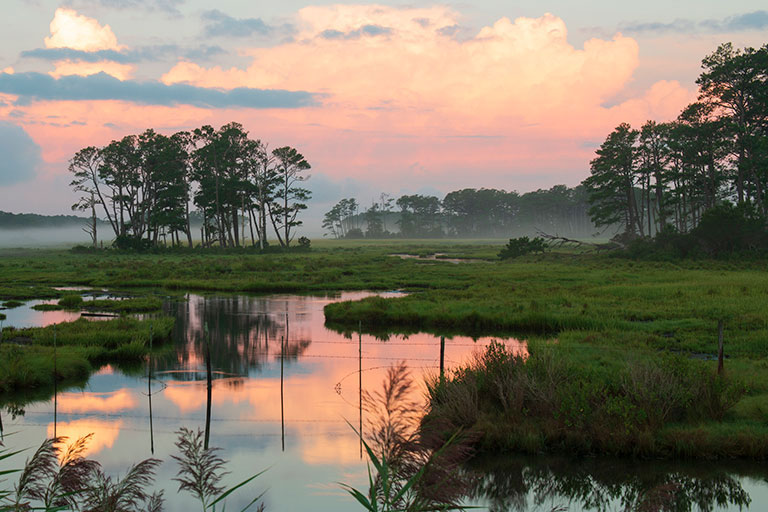
Virginia’s remarkable diversity of landscapes and habitats shapes one of the richest breeding bird communities in the eastern United States. Ranging from the barrier islands of the Atlantic shoreline to the forests, rivers, wetlands, farmland, and rugged Appalachian Mountains, each of Virginia’s regions provides unique conditions that support different bird species. Explore how Virginia’s geography, climate, and habitats influence where birds live, breed, and thrive across the Commonwealth and provide the ecological foundation for the patterns documented by the Atlas.
Conservation in Action
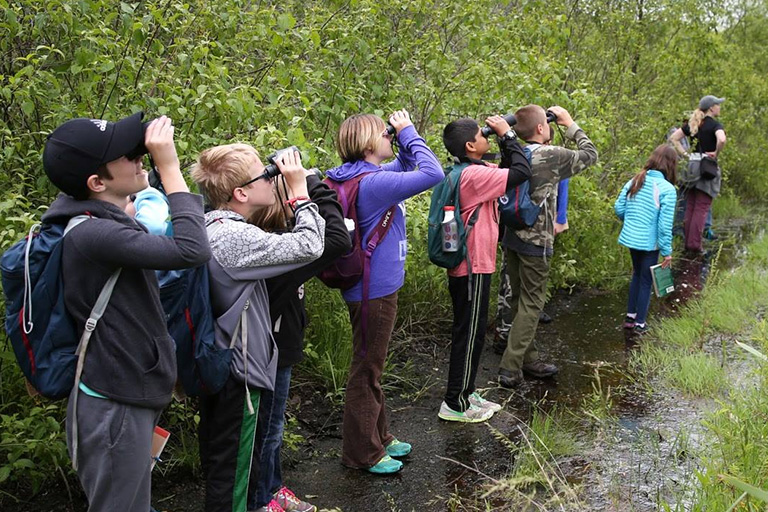
Virginia’s Second Breeding Bird Atlas is more than a record of where birds breed—it is a powerful resource for conservation, research, and education. Atlas findings helped identify Species of Greatest Conservation Need, and will guide habitat management and restoration efforts, support scientific research, and inform conservation planning across the Commonwealth. Discover how these data are being used to benefit Virginia’s birds, learn simple actions you can take to support bird conservation, and explore educational resources that we hope will inspire the next generation of bird enthusiasts and conservationists.