Introduction
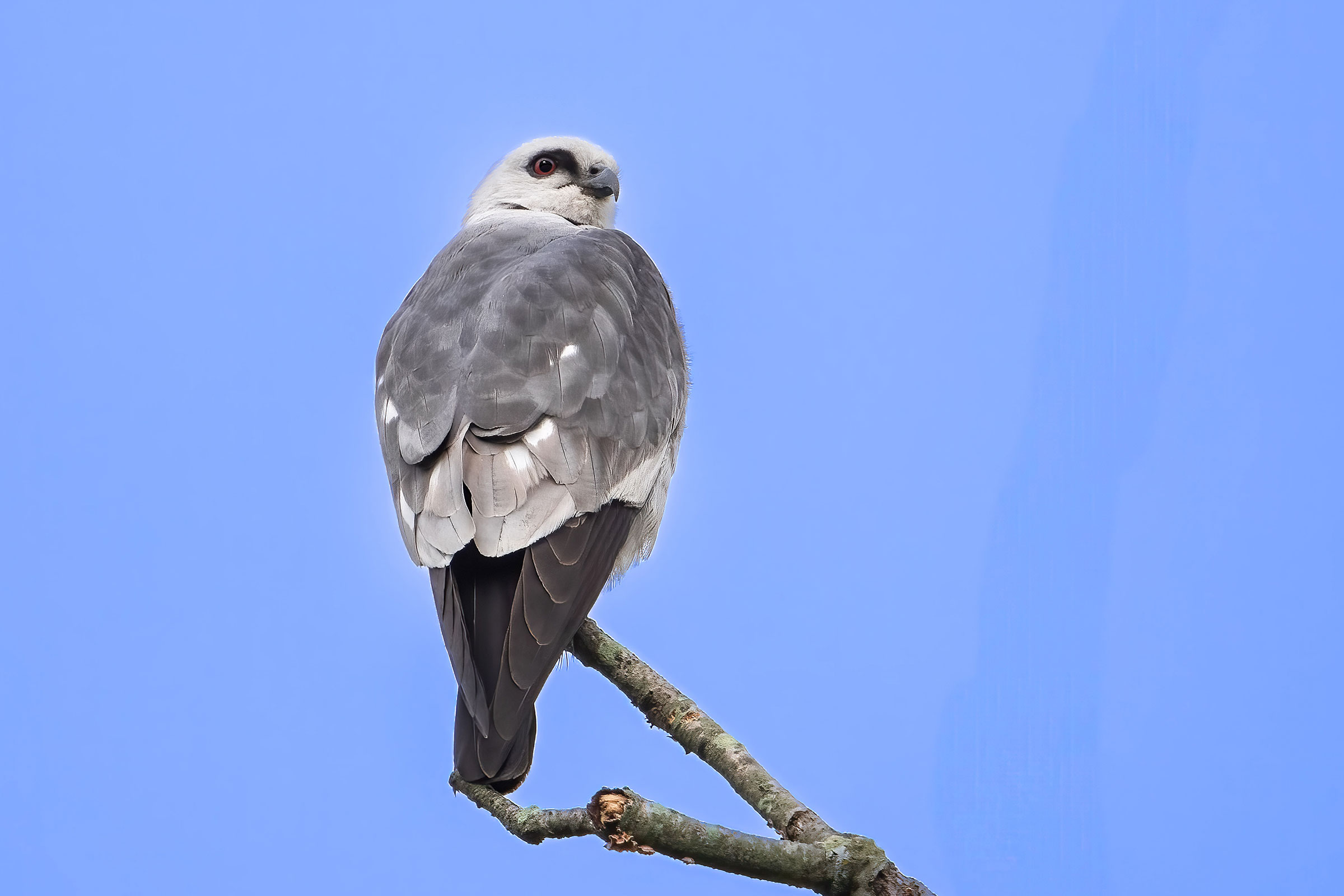
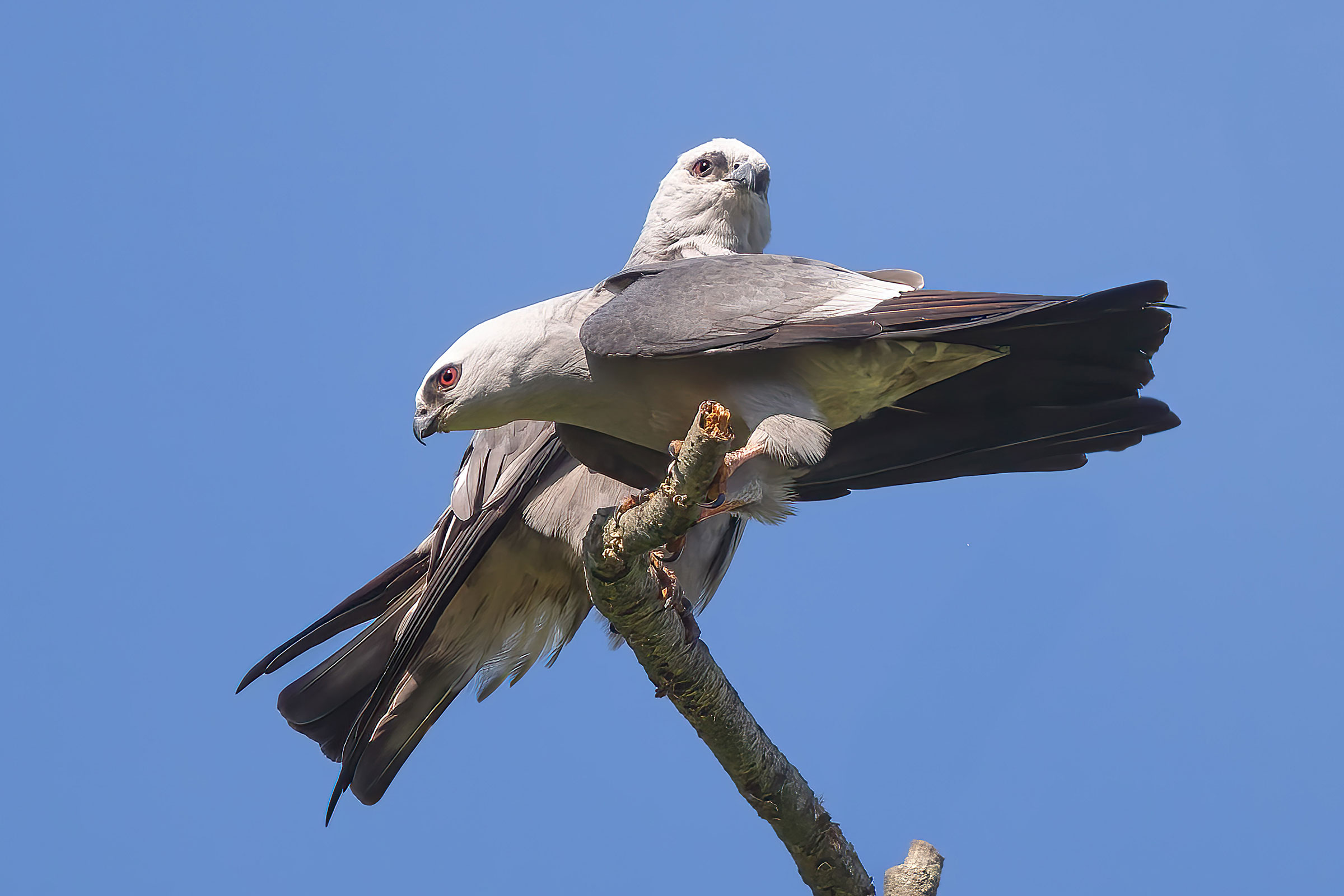
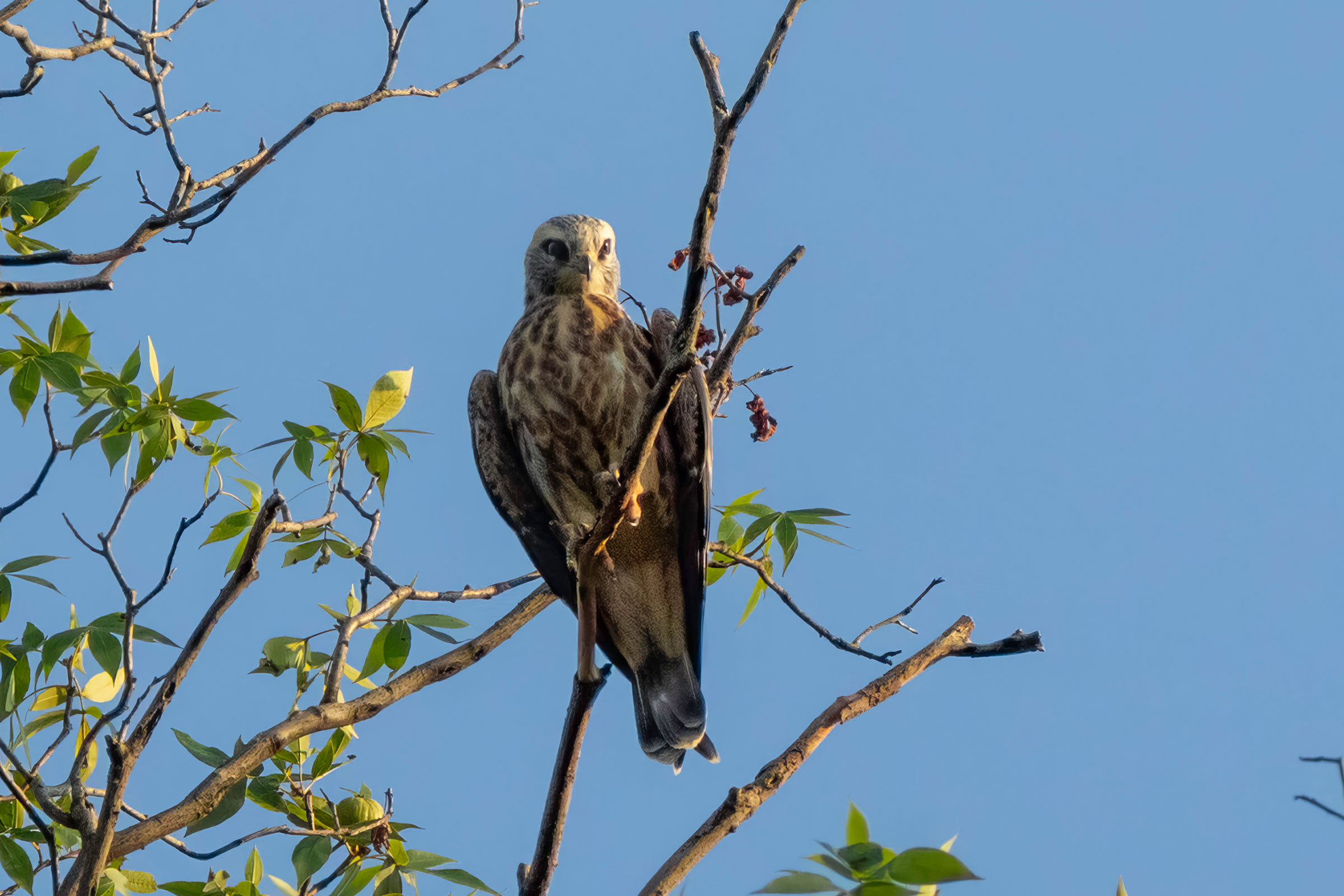
A new breeder in the state since the First Atlas, the Mississippi Kite is a handsome gray raptor that breeds mostly in the southeastern and southern-central regions of the U.S., and it spends the winter in South America. Along the East Coast, the species has expanded its range into Virginia and more recently into Maryland, which may represent the northernmost extent of its breeding distribution.
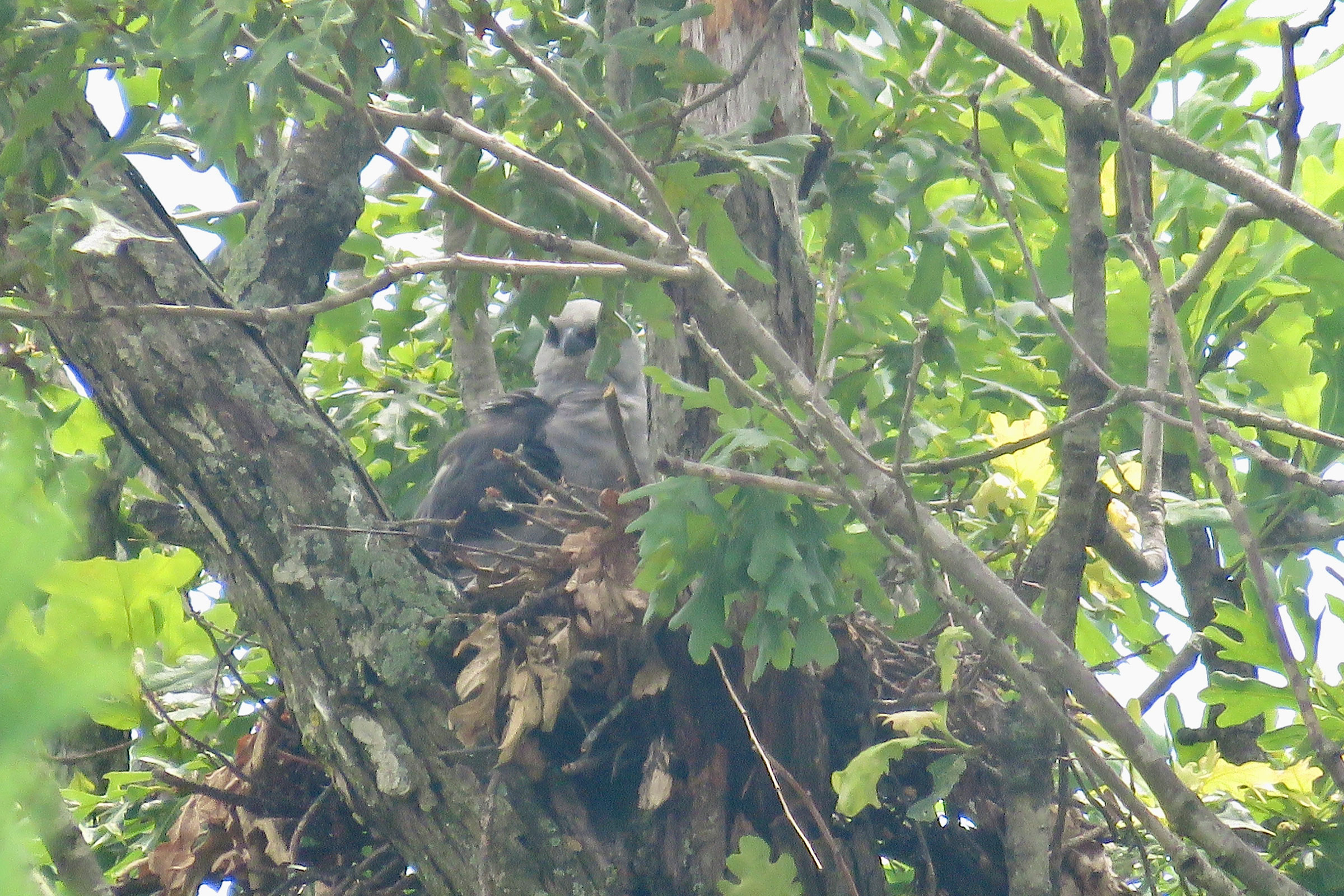
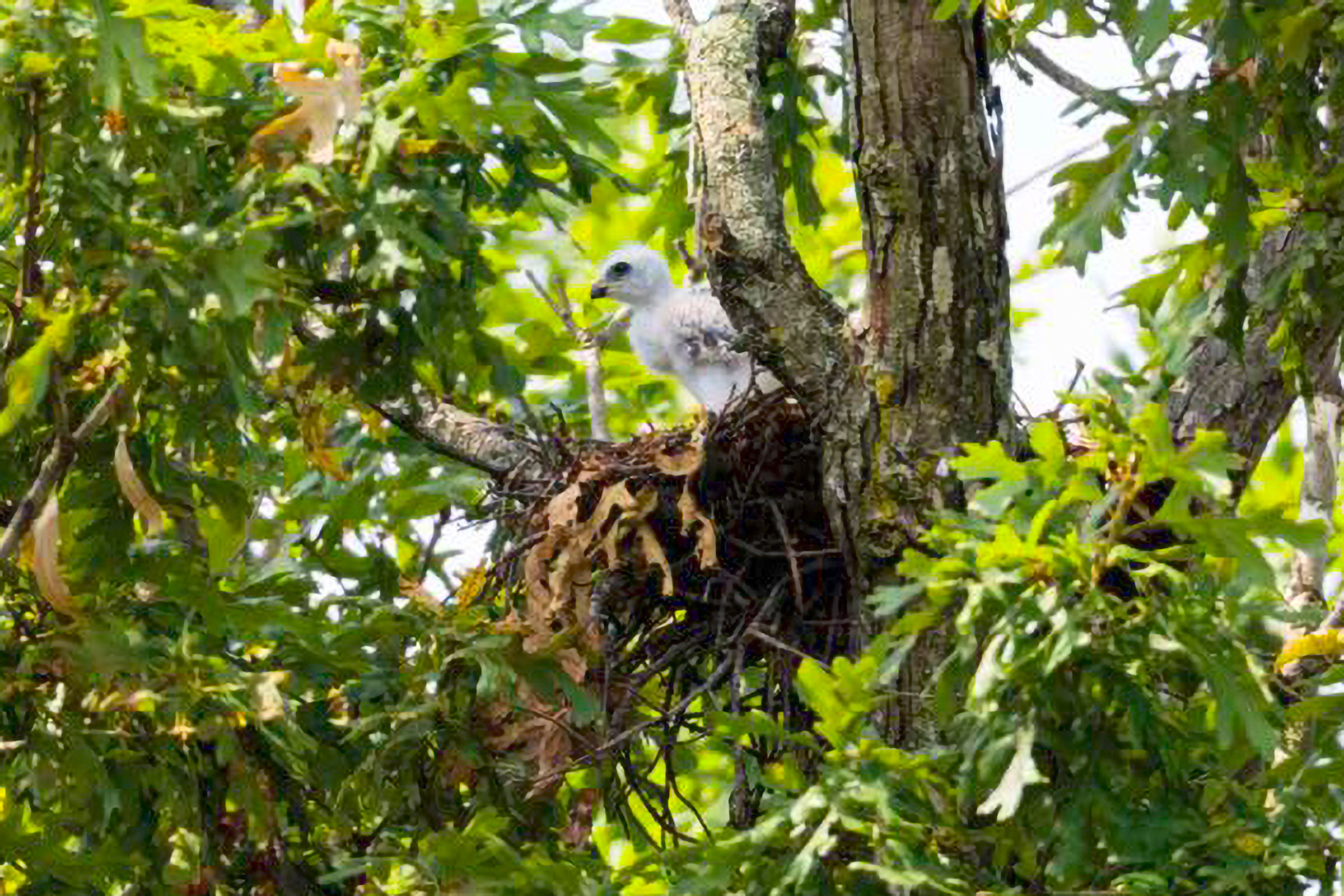
It can be found in a variety of habitats throughout its range, but during the Second Atlas, it was documented primarily around urban/suburban areas with nests in various trees, including oak, pine, and poplar. This kite typically preys on insects, ranging from cicadas to praying mantis to dragonflies. It was also recorded giving a Chimney Swift (Chaetura pelagica) to a fledgling during the Second Atlas.
Breeding Distribution
The Mississippi Kite is a new breeder in the Commonwealth since the First Atlas, with the first confirmed breeding record obtained in 1995 at a site near Woodbridge in Northern Virginia (Rottenborn and Brinkley 2007; Parker 2020). However, sightings were recorded as early as 1962 in Charlottesville and Norfolk (Rottenborn and Brinkley 2007). The species’ likely occurrence is highly isolated and confined within the Coastal Plain and Piedmont regions. Mississippi Kites are most likely to occur in Chesterfield, Fairfax, Henrico, Prince William, and Spotsylvania Counties and near Newport News, Virginia Beach, and Williamsburg (Figure 1). Its likelihood of occurring is positively associated with areas of human development and the amount of forest edge habitat in a block.
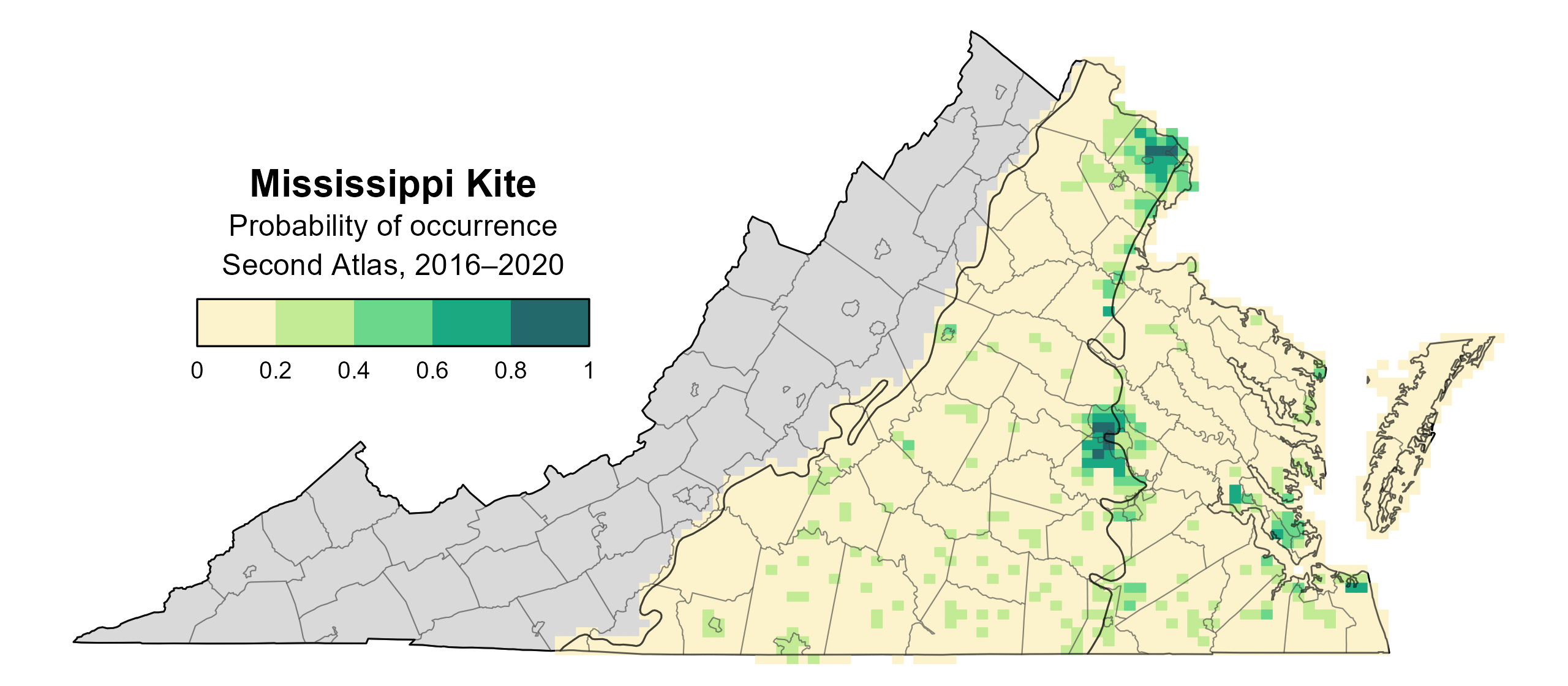
Figure 1: Mississippi Kite breeding distribution based on probability of occurrence (Second Atlas, 2016–2020). This map indicates the probability that this species will occur in an Atlas block (an approximately 10 mi2 [26 km2] survey unit) based on environmental (including habitat) factors and after adjusting for the probability of detection (variation in survey effort among blocks). Blocks in gray are outside the species’ core range and were not modeled.
Breeding Evidence
Mississippi Kites were confirmed breeders in 30 blocks and 17 counties in the Piedmont and Coastal Plain regions, with most breeding observations recorded in Northern Virginia, the greater Richmond area, and the southwestern portion of the Coastal Plain region (Figure 2).
The earliest confirmation of breeding was of adults carrying nesting material in early May (Figure 3). The primary behaviors used to confirm breeding were observations of occupied nests, nests with young, and adults feeding young.
For more general information on the breeding habits of this species, please refer to All About Birds.

Figure 2: Mississippi Kite breeding observations from the Second Atlas (2016–2020). The colored boxes illustrate Atlas blocks (approximately 10 mi2 [26 km2] survey units) where the species was detected. The colors show the highest breeding category recorded in a block. The numbers within the colors in the legend correspond to the number of blocks with that breeding evidence category.

Figure 3: Mississippi Kite phenology: confirmed breeding codes. This graph shows a timeline of confirmed breeding behaviors. Tick marks represent individual observations of the behavior.
Population Status
During the Second Breeding Bird Atlas, only one Mississippi Kite was detected during the point count surveys, so no abundance model could be developed. Additionally, population trend estimates for Virginia are unavailable from the North American Breeding Bird Survey (BBS). It appears the number of Mississippi Kites breeding in the state is increasing as confirmed breeders rose from just one in 1995 (Rottenborn and Brinkley 2007) to being documented in 30 blocks in the Piedmont and Coastal Plain regions by the end of the Second Atlas.
Conservation
Mississippi Kites are generally of low conservation concern. They are common throughout the core of their range. In Virginia, given their habit of nesting in areas of human development, collisions with buildings and vehicles might become a concern if the breeding population continues to grow.
Interactive Map
The interactive map contains up to six Atlas layers (probability of occurrence for the First and Second Atlases, change in probability of occurrence between Atlases, breeding evidence for the First and Second Atlases, and abundance for the Second Atlas) that can be viewed one at a time. To view an Atlas map layer, mouse over the layer box in the upper left. County lines and physiographic regional boundaries (Mountains and Valleys, Piedmont, and Coastal Plain) can be turned on and off by checking or unchecking the box below the layer box. Within the map window, users can hover on a block to see its value for each layer and pan and zoom to see roads, towns, and other features of interest that are visible beneath a selected layer.
View Interactive Map in Full Screen
References
Parker, J. W. (2020). Mississippi Kite (Ictinia mississippiensis), version 1.0. In Birds of the World (A. F. Poole and F. B. Gill, Editors). Cornell Lab of Ornithology, Ithaca, NY, USA. https://doi.org/10.2173/bow.miskit.01.
Rottenborn, S. C., and E. S. Brinkley (Editors) (2007). Virginia’s birdlife: An annotated checklist. 4th edition. Virginia Society of Ornithology.