Introduction
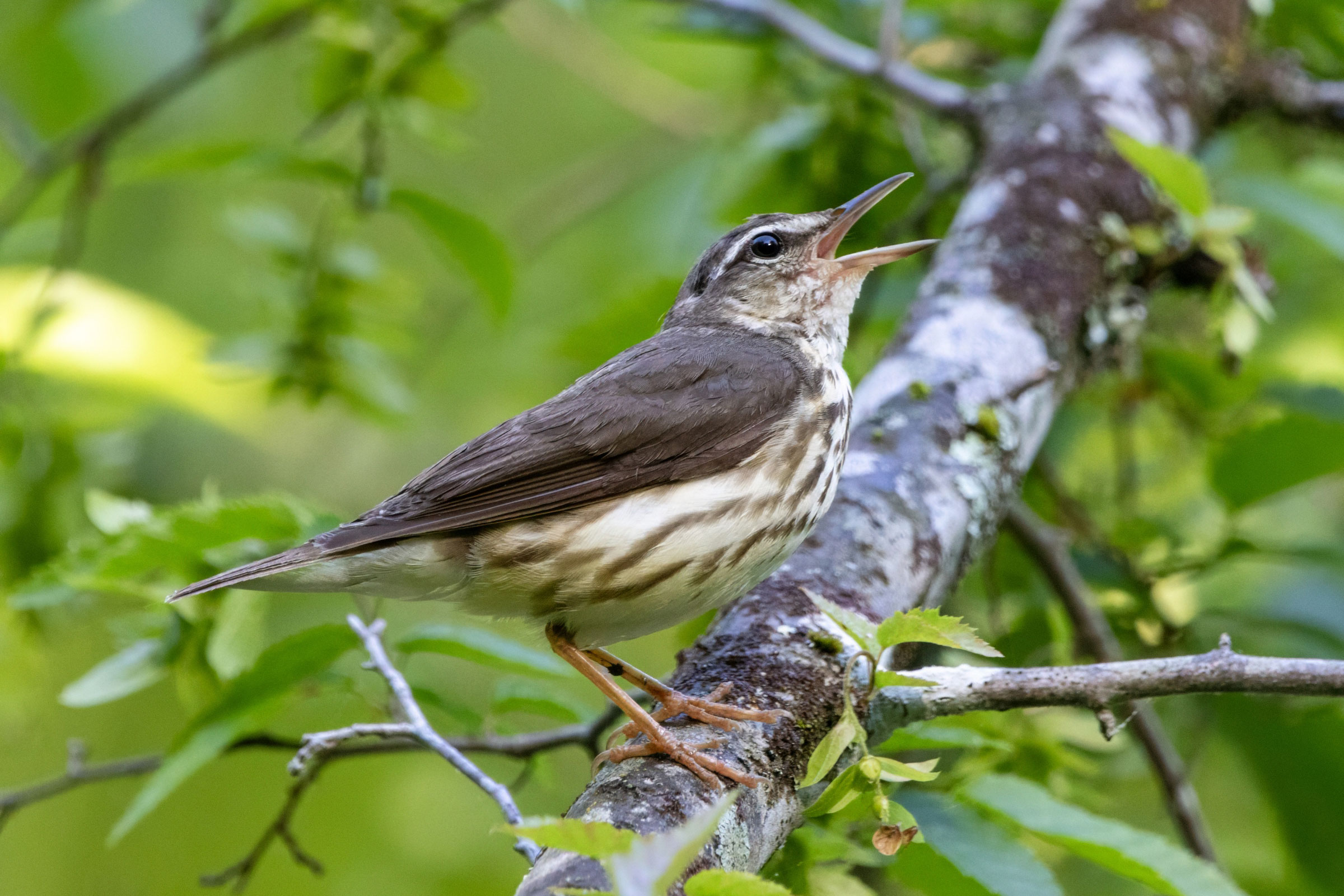
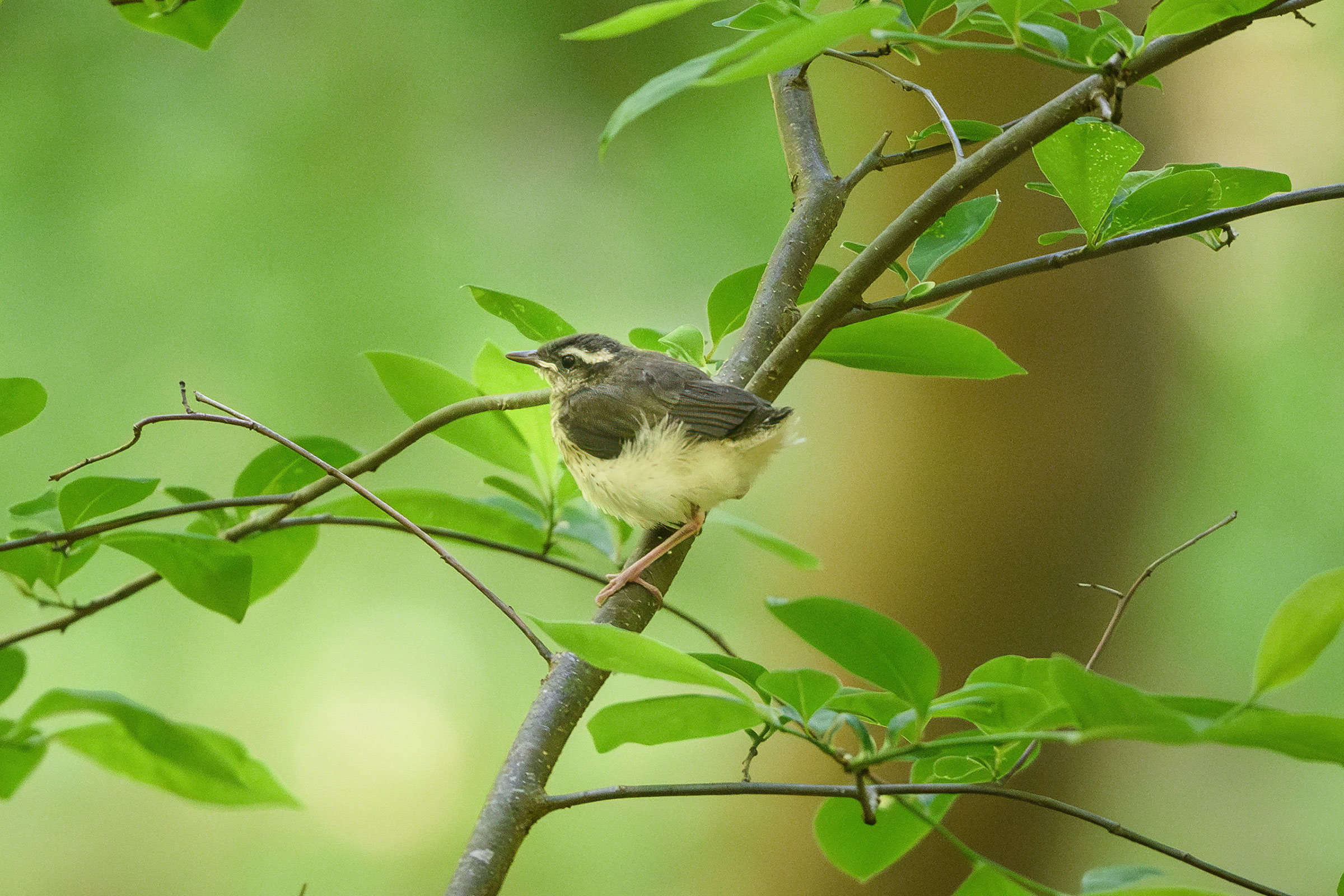
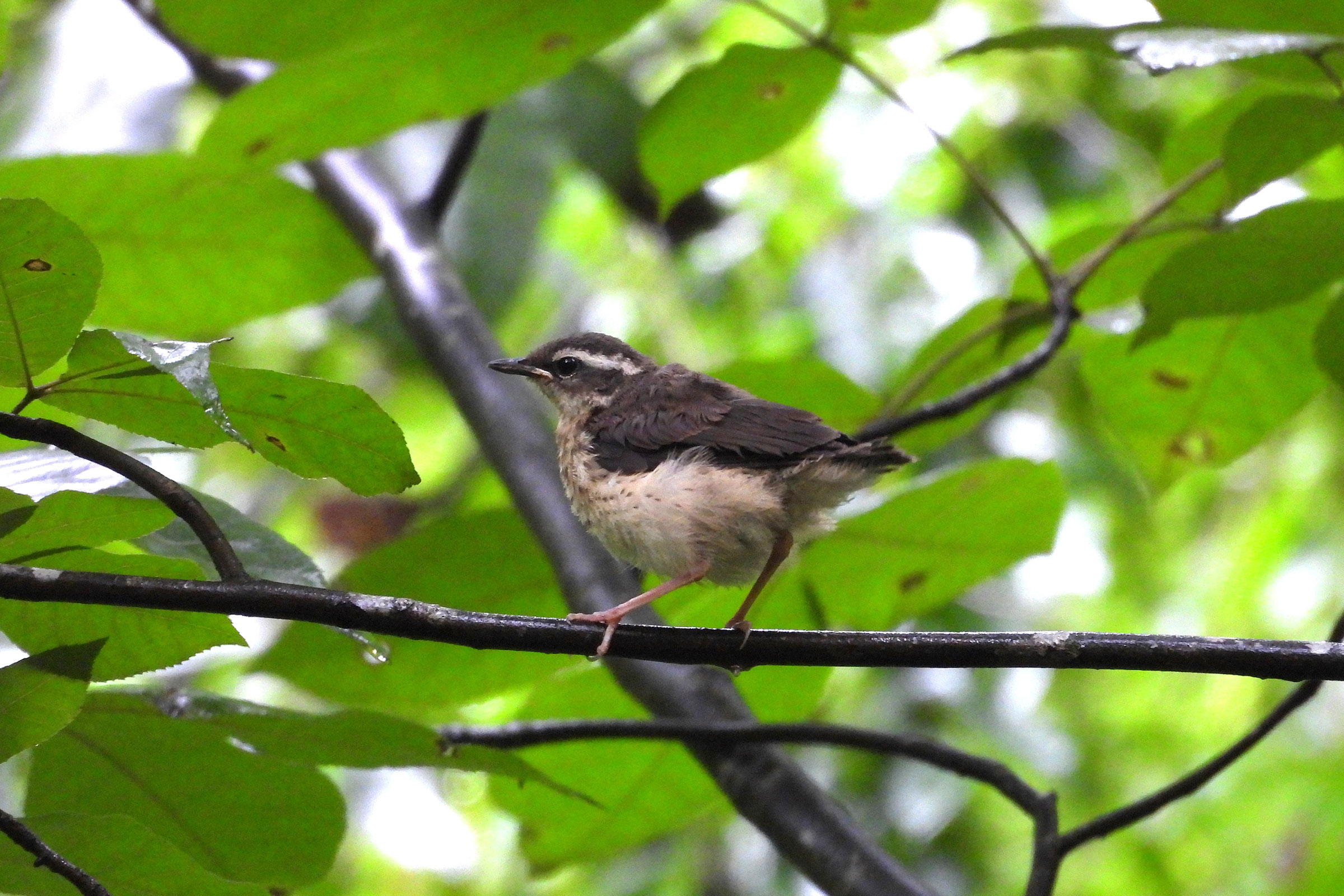
In the Commonwealth and throughout its range, the Louisiana Waterthrush is tightly tied to moving water, especially forested streams, creeks, and wetlands as it relies on aquatic invertebrates for food (Smith et al. 2017). In Virginia, it is one of the first warblers to return from spring migration. Listen for its ringing song and watch for its bobbing tails as the first warm days of spring approach (Mattsson et al. 2020).
Breeding Distribution
Louisiana Waterthrushes breed throughout Virginia, but they are most likely to occur in the heavily forested areas of the Mountains and Valleys region (Figure 1). They occur at more variable rates in the Piedmont and Coastal Plain regions. Their likelihood of occurrence in a block is strongly positively associated with forest cover.
Between Atlases (Figures 1 and 2), the Louisiana Waterthrush’s likelihood of occurrence remained constant across the state (Figure 3).
View Environmental Associations
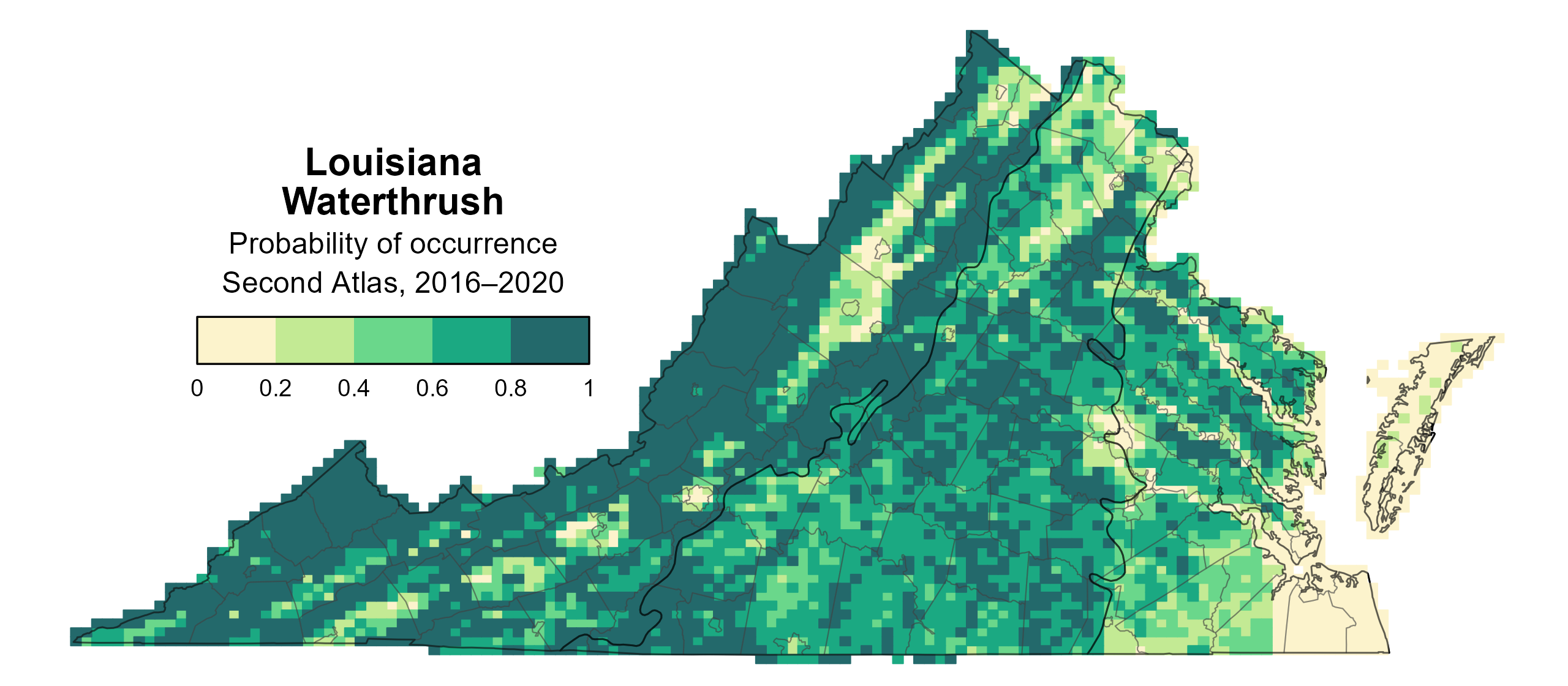
Figure 1: Louisiana Waterthrush breeding distribution based on probability of occurrence (Second Atlas, 2016–2020). This map indicates the probability that this species will occur in an Atlas block (an approximately 10 mi2 [26 km2] survey unit) based on environmental (including habitat) factors and after adjusting for the probability of detection (variation in survey effort among blocks).
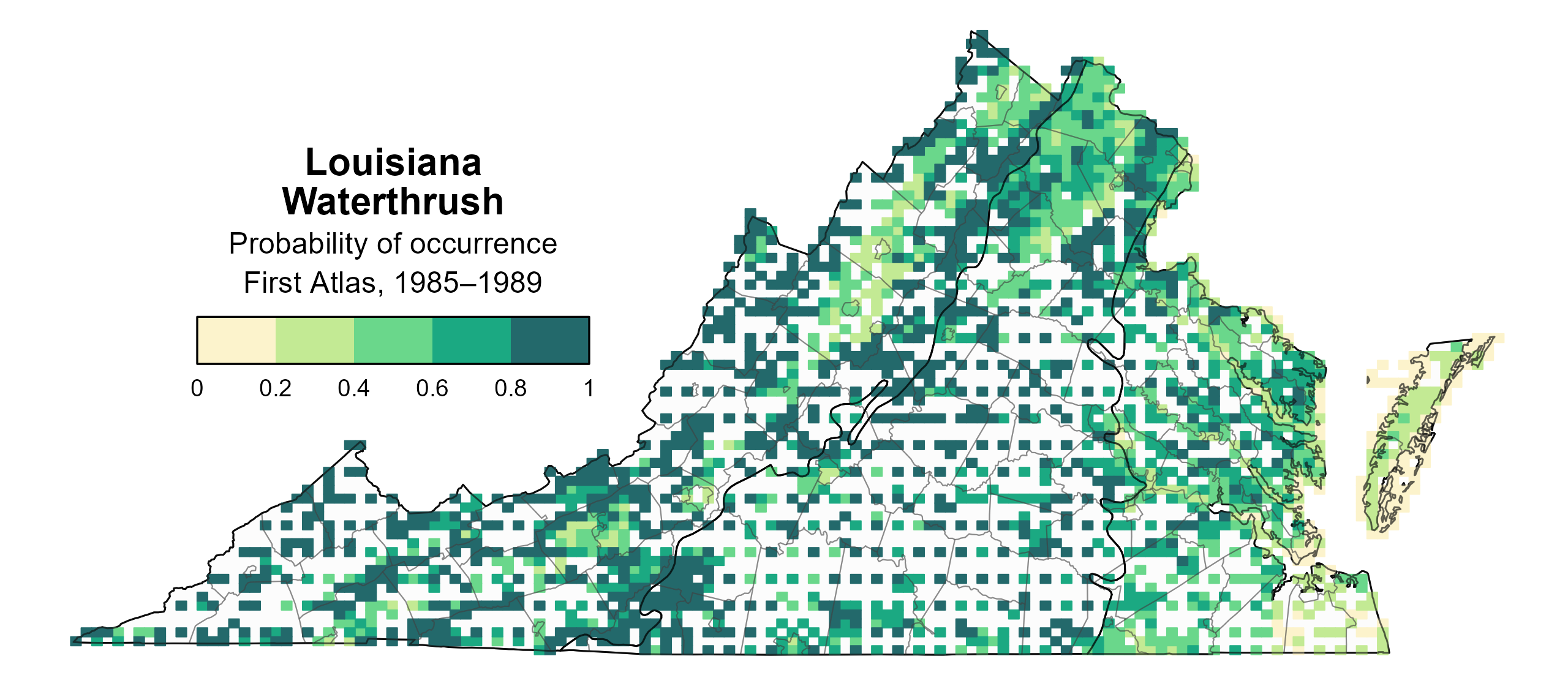
Figure 2: Louisiana Waterthrush breeding distribution based on probability of occurrence (First Atlas, 1985–1989). This map indicates the probability that this species will occur in an Atlas block (an approximately 10 mi2 [26 km2] survey unit) based on environmental (including habitat) factors and after adjusting for the probability of detection (variation in survey effort among blocks). Blocks in white were not surveyed during the First Atlas and were not modeled.
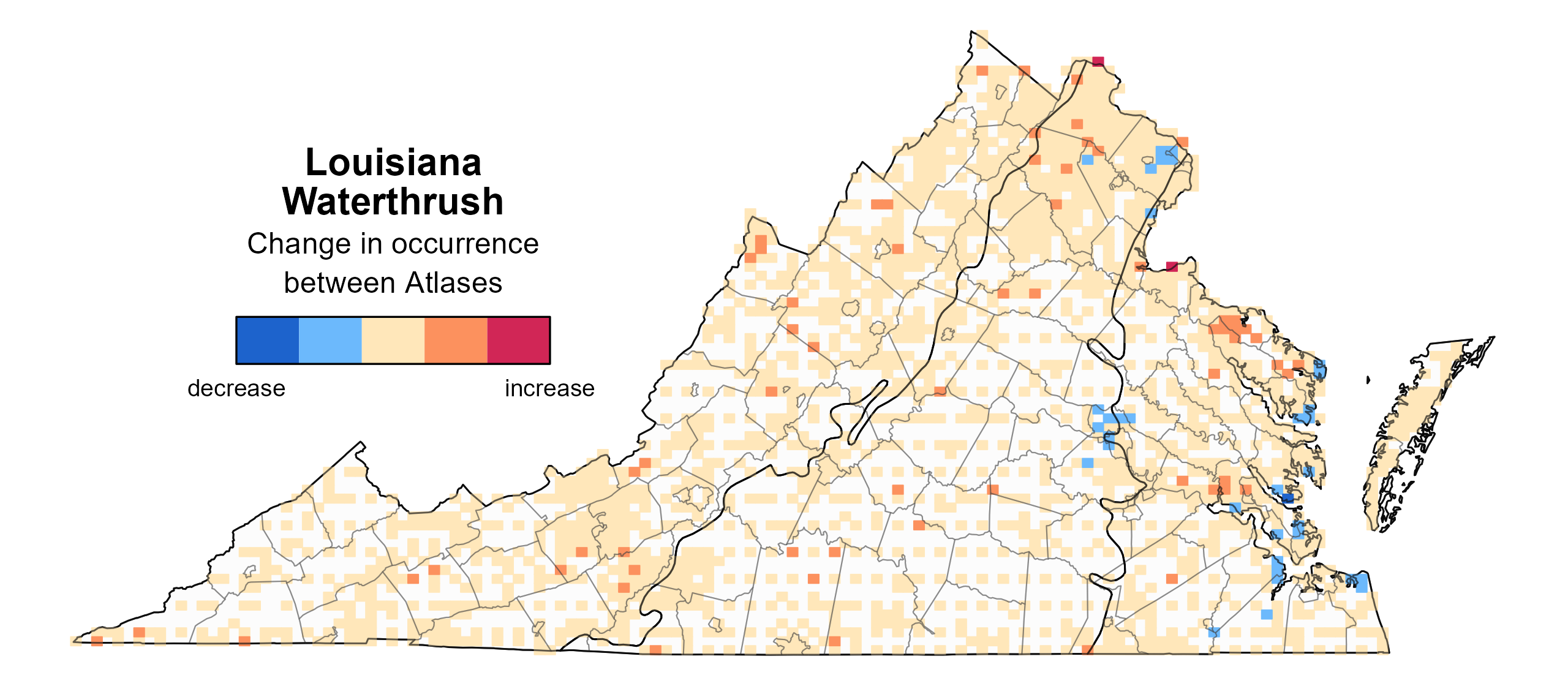
Figure 3: Louisiana Waterthrush change in breeding distribution between Atlases (1985–1989 and 2016–2020) based on probability of occurrence. This map indicates the change in the probability that this species will occur in a block (an approximately 10 mi2 [26 km2] survey unit) between Atlas periods. Blocks with no change (tan) may have constant presence or constant absence. Blocks in white were not surveyed during the First Atlas and were not modeled.
Breeding Evidence
Louisiana Waterthrushes were confirmed breeders in 177 blocks and 58 counties and probable breeders in an additional 33 counties (Figure 4). During the First Atlas, breeding observations were recorded in a relatively similar pattern, although there were fewer observations, likely due to differences in survey effort between Atlases (Figure 5).
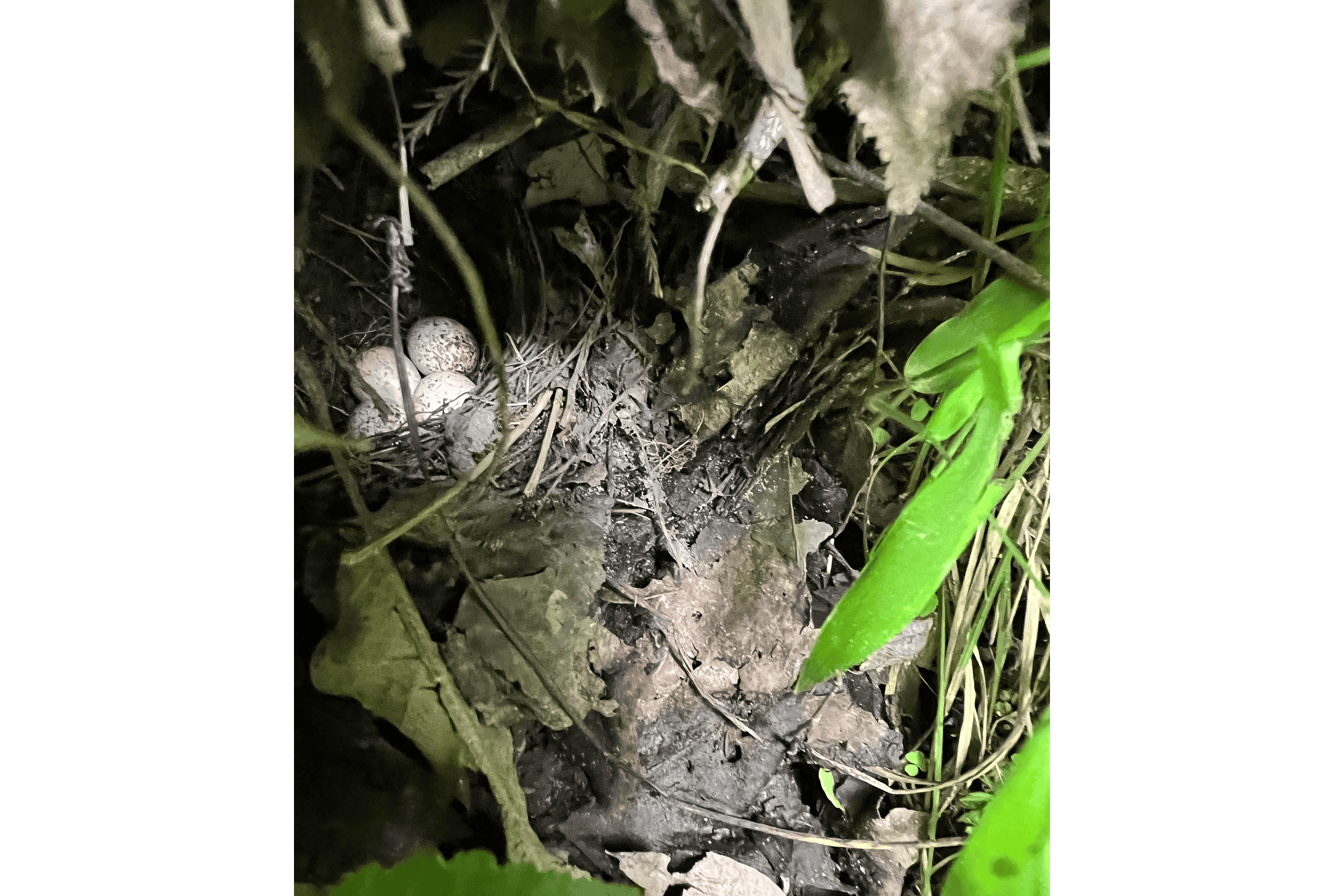
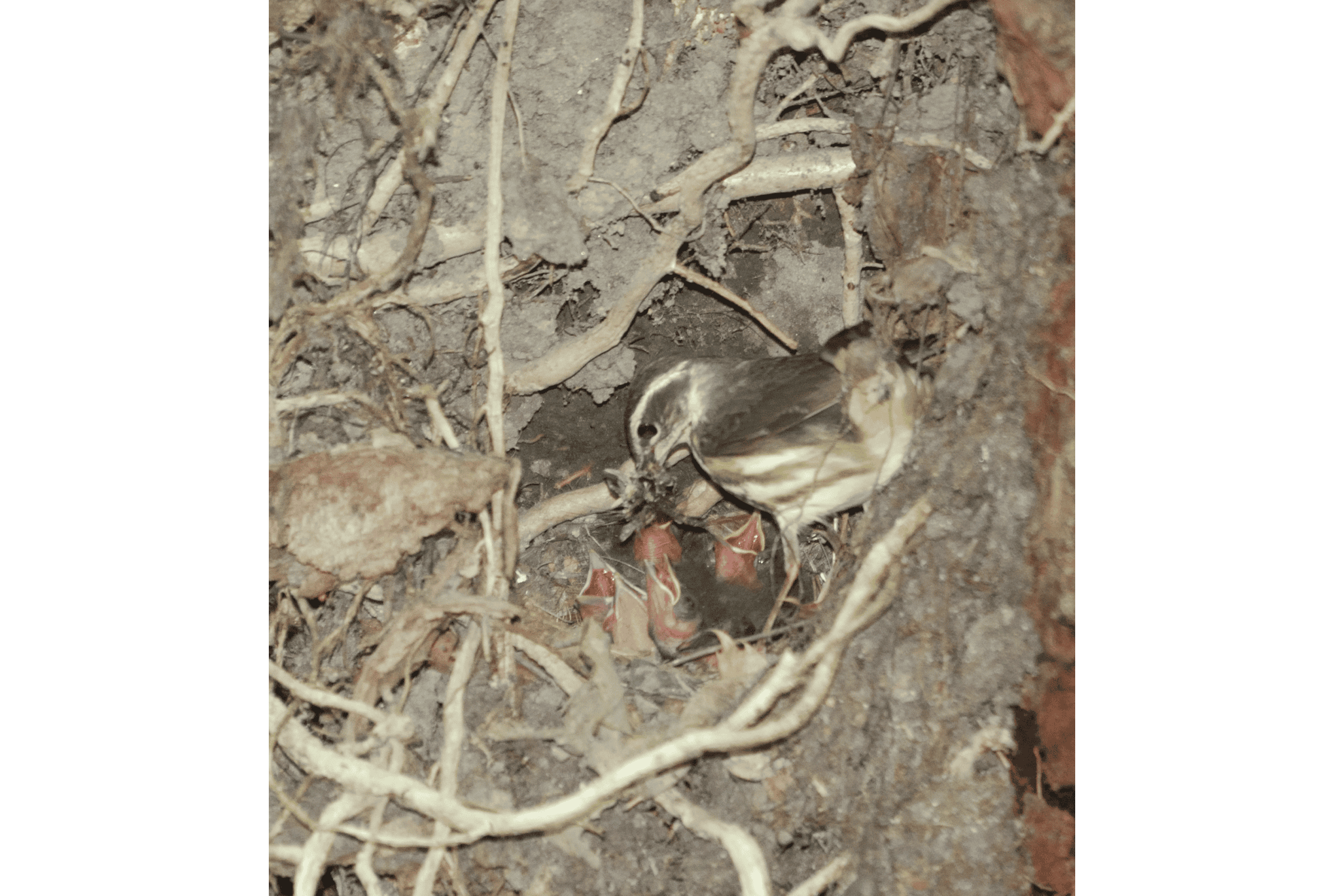
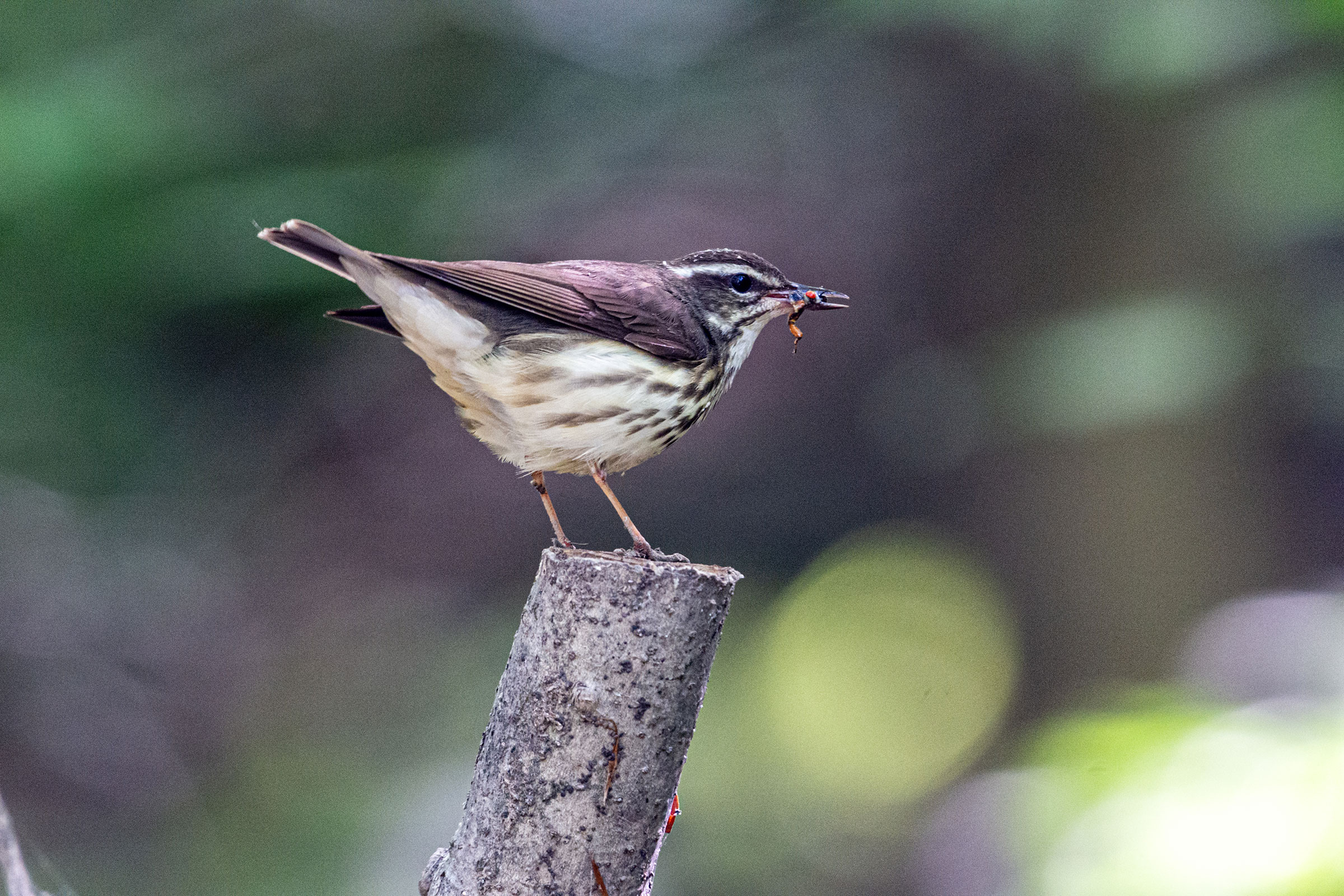
Birds were seen carrying nest material as early as April 14 (Figure 6). However, most confirmations were obtained by observations of adults carrying food (May 6 – July 21), recently fledged young (May 13 – July 21), and adults feeding young (May 15 – July 14).
For more general information on the breeding habits of this species, please refer to All About Birds.
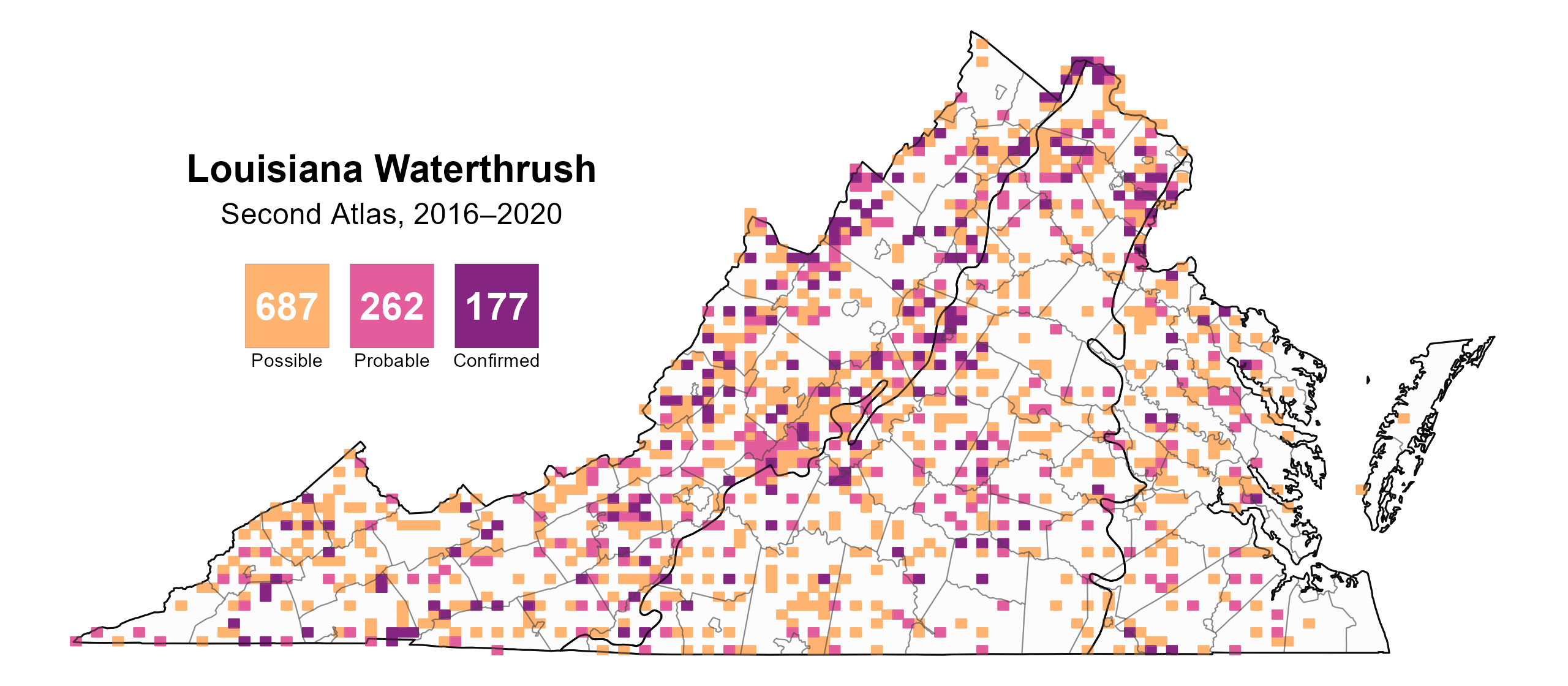
Figure 4: Louisiana Waterthrush breeding observations from the Second Atlas (2016–2020). The colored boxes illustrate Atlas blocks (approximately 10 mi2 [26 km2] survey units) where the species was detected. The colors show the highest breeding category recorded in a block. The numbers within the colors in the legend correspond to the number of blocks with that breeding evidence category.
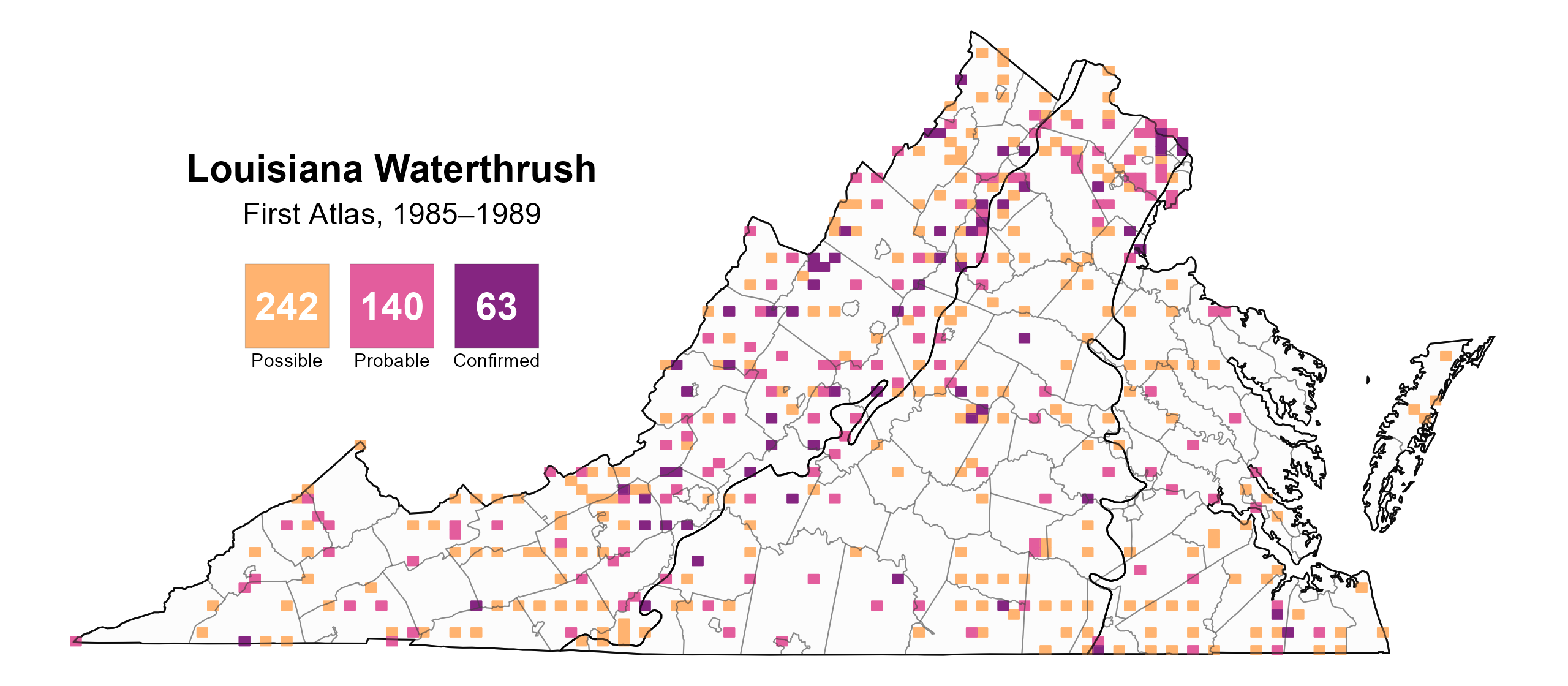
Figure 5: Louisiana Waterthrush breeding observations from the First Atlas (1985–1989). The colored boxes illustrate Atlas blocks (approximately 10 mi2 [26 km2] survey units) where the species was detected. The colors show the highest breeding category recorded in a block. The numbers within the colors in the legend correspond to the number of blocks with that breeding evidence category.
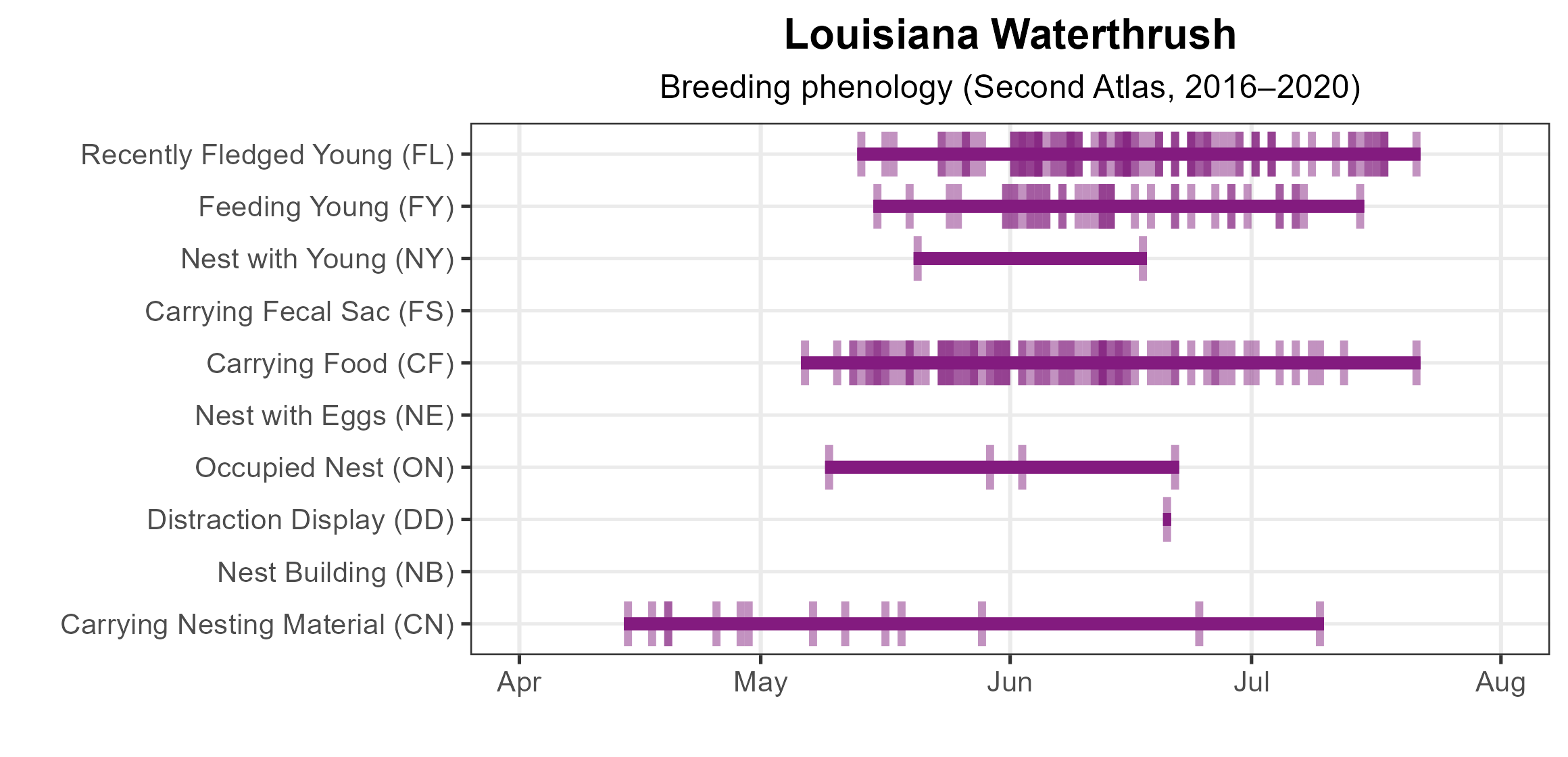
Figure 6: Louisiana Waterthrush phenology: confirmed breeding codes. This graph shows a timeline of confirmed breeding behaviors. Tick marks represent individual observations of the behavior.
Population Status
Louisiana Waterthrush relative abundance was estimated to be lowest near urban and agricultural areas that lack adequate forest habitat, especially forested stream corridors (Figure 7). For example, the Shenandoah Valley, Fairfax, Richmond, and Virginia Beach areas, and the Coastal Plain region had much lower predicted abundance levels than areas the more forested areas of the Mountains and Valleys and central Piedmont regions (Figure 7).
The total estimated Louisiana Waterthrush population in the state is approximately 230,000 individuals (with a range between 113,000 and 470,000). Based on the North American Breeding Bird Survey (BBS), in the Eastern region (BBS data for Virginia do not produce credible population trends), the Louisiana Waterthrush population increased by a nonsignificant 0.32% annually from 1966–2022 in Virginia, and between Atlases, its population increased by a significant 0.69% per year from 1987–2018 (Hostetler et al. 2023; Figure 8).
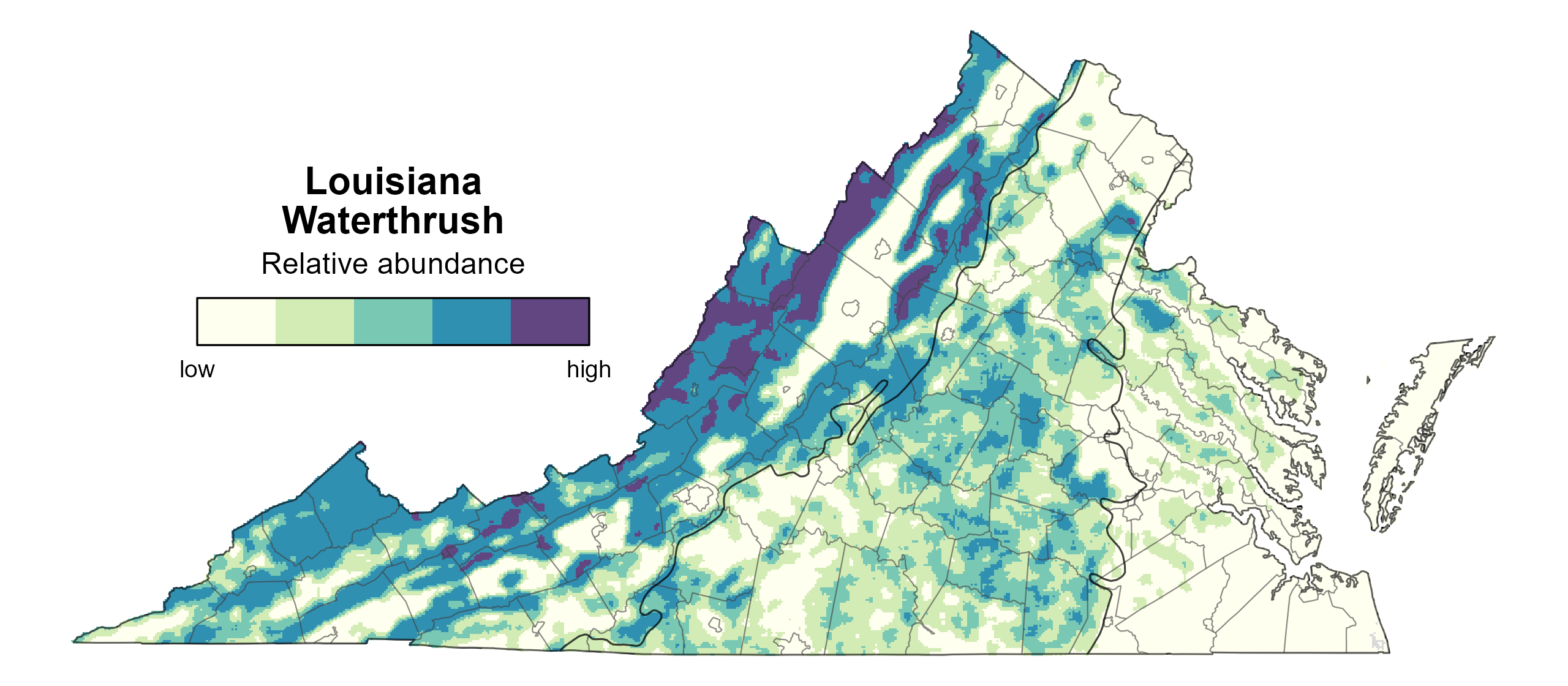
Figure 7: Louisiana Waterthrush relative abundance (Second Atlas, 2016–2020). This map indicates the predicted abundance of this species at a 0.4 mi2 (1 km2) scale based on environmental (including habitat) factors. Abundance values are presented on a relative scale of low to high.
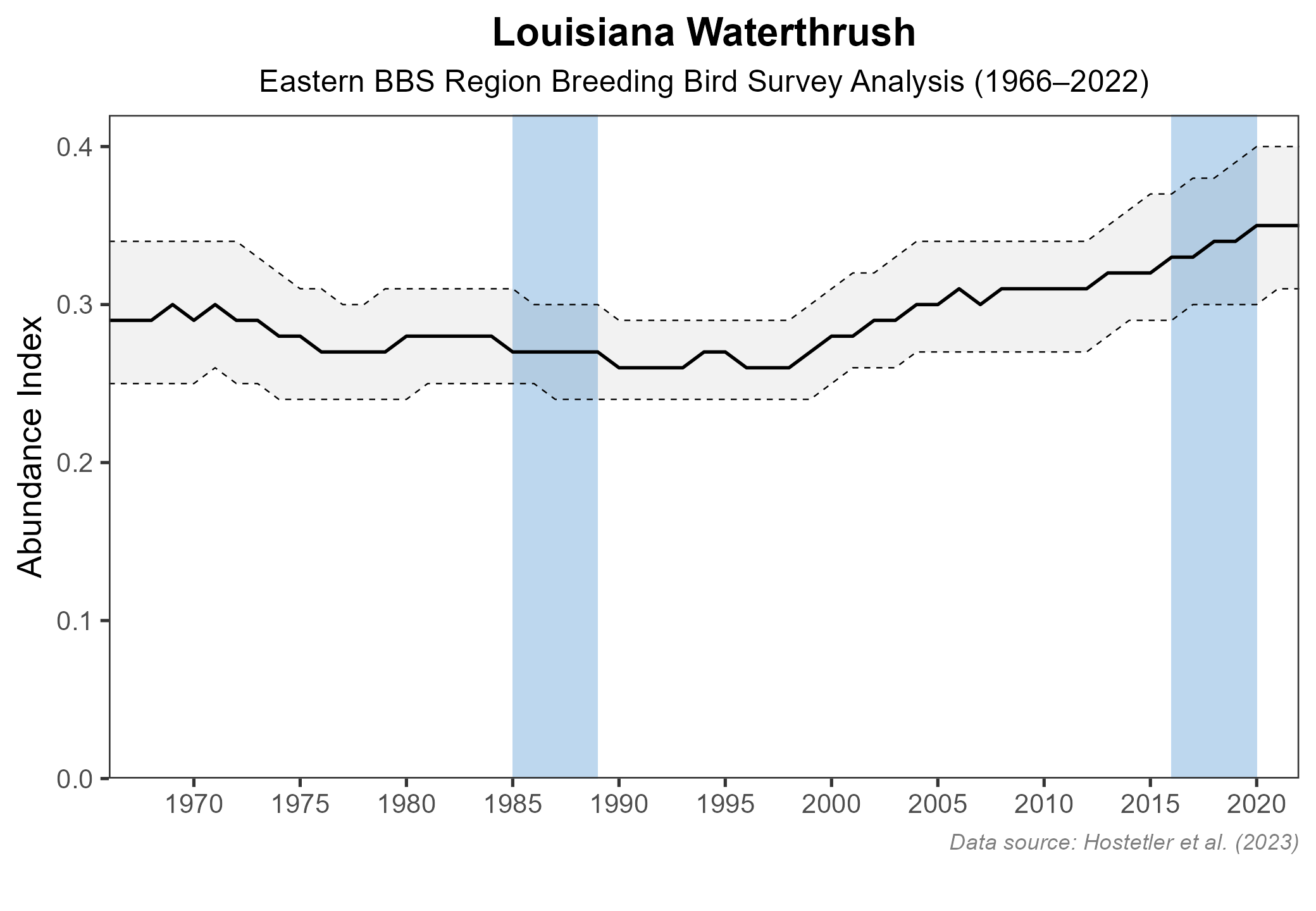
Figure 8: Louisiana Waterthrush population trend for Virginia as estimated by the North American Breeding Bird Survey. The vertical axis shows species abundance; the horizontal axis shows the year. The solid line indicates the estimated population trend; there is a 97.5% probability that the true population trend falls between the dashed lines. The shaded bars indicate the First and Second Atlas periods.
Conservation
Louisiana Waterthrushes are common and widespread throughout their range (Mattsson et al. 2020). In Virginia, the species is not considered a species of special concern, and no specific conservation projects are underway. However, conservation efforts that protect large, forested areas that contain forested wetlands and headwater streams would also benefit this species (Smith et al. 2017; Mattsson et al. 2020).
Interactive Map
The interactive map contains up to six Atlas layers (probability of occurrence for the First and Second Atlases, change in probability of occurrence between Atlases, breeding evidence for the First and Second Atlases, and abundance for the Second Atlas) that can be viewed one at a time. To view an Atlas map layer, mouse over the layer box in the upper left. County lines and physiographic regional boundaries (Mountains and Valleys, Piedmont, and Coastal Plain) can be turned on and off by checking or unchecking the box below the layer box. Within the map window, users can hover on a block to see its value for each layer and pan and zoom to see roads, towns, and other features of interest that are visible beneath a selected layer.
View Interactive Map in Full Screen
References
Hostetler, J. A., J. R. Sauer, J. E. Hines, D. Ziolkowski, and M. Lutmerding (2023). The North American breeding bird survey, analysis results 1966–2022. U.S. Geological Survey, Laurel, MD, USA. https://doi.org/10.5066/P9SC7T11.
Mattsson, B. J., T. L. Master, R. S. Mulvihill, and W. D. Robinson (2020). Louisiana Waterthrush (Parkesia motacilla), version 1.0. In Birds of the World (A. F. Poole, Editor). Cornell Lab of Ornithology, Ithaca, NY, USA. https://doi.org/10.2173/bow.louwat.01.
Smith, F. M., B. D. Watts, and B. J. Paxton (2017). Frequency and distribution of birds within forested wetlands – breeding and wintering seasons. The Center for Conservation Biology Technical Report Series, CCBTR-17-07. College of William and Mary and Virginia Commonwealth University. Williamsburg, VA, USA. 18 pp.